A Comprehensive Guide to Managing Chronic Dry Eye Discomfort
Facts:
- Chronic dry eye affects millions of people globally.
- Increased digital screen time is a major trend for chronic dry eye.
Understanding the Triggers Behind Chronic Dry Eye Symptoms
Effectively managing chronic dry eye discomfort begins with a clear understanding of what this condition entails and what causes it. Chronic dry eye is a multifactorial disease of the ocular surface characterized by a loss of homeostasis of the tear film, and accompanied by ocular symptoms. Essentially, your eyes either don't produce enough tears, or they produce poor-quality tears that evaporate too quickly. This imbalance leads to inflammation and damage to the eye's surface, causing a persistent cycle of irritation. Identifying your specific triggers—be it environmental factors like wind and dry air, prolonged screen use, or underlying health conditions—is the first critical step toward successful dry eye management and finding sustainable dry eye relief.
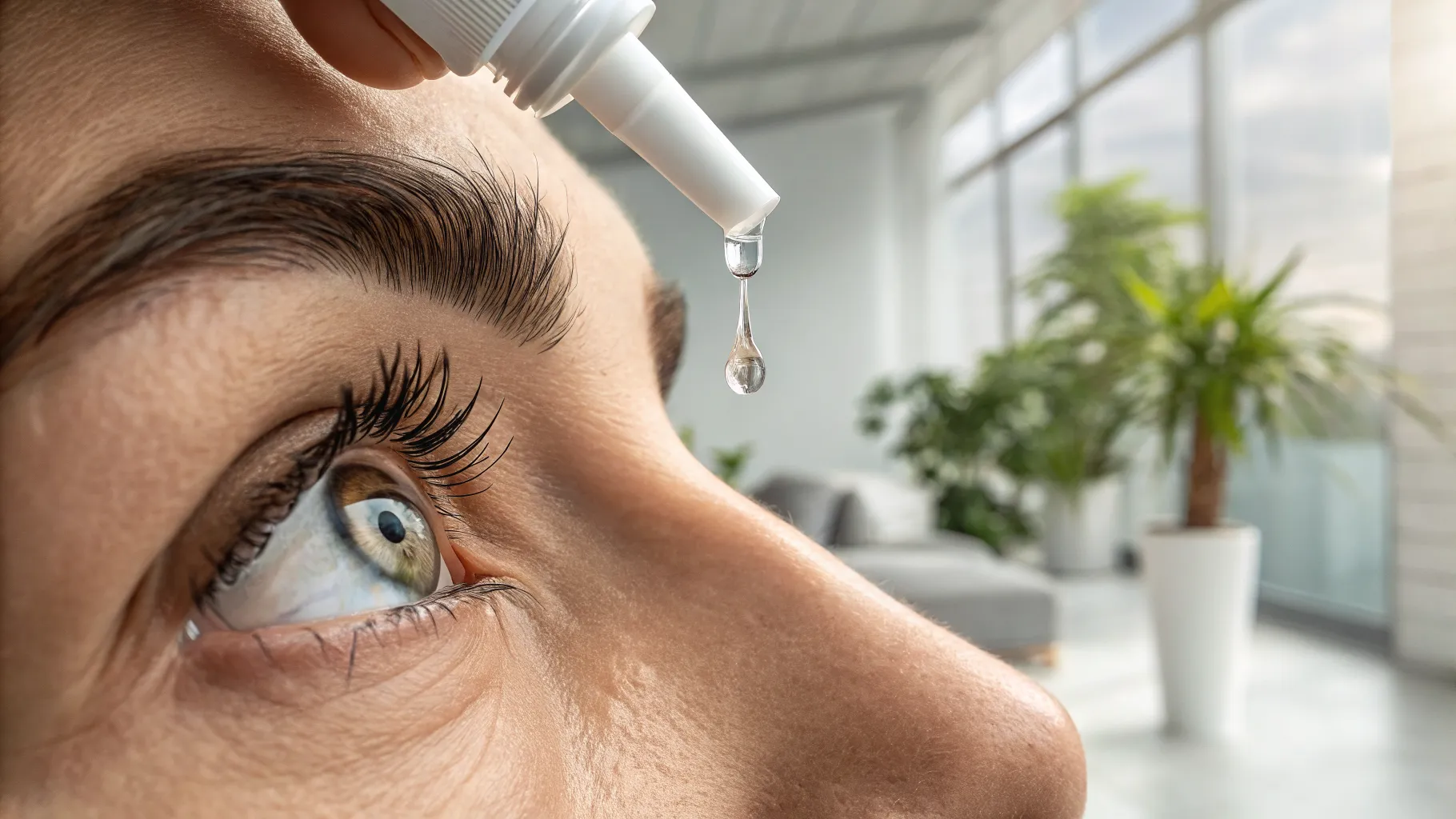
Key Strategies for Effective Dry Eye Management
A proactive approach is essential for long-term dry eye management. It's not just about treating the symptoms as they appear, but about creating a comprehensive plan to maintain ocular health. This involves a combination of medical treatments, lifestyle adjustments, and environmental controls. The goal is to restore the natural balance of your tear film, reduce inflammation, and alleviate the discomfort associated with chronic dry eye. Working with an eye care professional is crucial to tailor a plan that addresses the root cause of your specific dry eye symptoms, as what works for one person may not be effective for another. Consistent application of your management plan is fundamental to breaking the cycle of discomfort.
Lifestyle Modifications for Lasting Dry Eye Relief
Simple changes in your daily routine can yield significant improvements and provide much-needed dry eye relief. One of the most impactful habits is conscious blinking, especially during prolonged periods of visual concentration like reading or using a computer. This helps spread tears evenly across the eye's surface. Additionally, staying well-hydrated by drinking plenty of water throughout the day supports overall bodily function, including tear production. Protecting your eyes from environmental irritants by wearing wraparound sunglasses outdoors can also prevent tear evaporation. For those in dry climates, using a humidifier at home or in the office adds moisture to the air, which is a crucial part of managing chronic dry eye discomfort and reducing irritation.
Comparing Over-the-Counter and Prescription Treatments
The market for chronic dry eye treatments is vast, ranging from readily available over-the-counter (OTC) options to powerful prescription medications. Artificial tears are the most common starting point, providing temporary lubrication and dry eye relief. However, not all drops are created equal; some are thin and watery, while others are thicker gels for longer-lasting effects. It's important to choose preservative-free options if you need to use them frequently. When OTC solutions are insufficient, an eye doctor might prescribe medications designed to reduce inflammation (like cyclosporine or lifitegrast) or stimulate tear production. Understanding the differences is a core component of your dry eye management strategy, ensuring you use the most appropriate and effective treatment for your condition.
Actionable Daily Habits for Your Dry Eye Management Plan
Consistency is paramount when managing chronic dry eye discomfort. Integrating specific, simple actions into your daily life can build a strong defense against recurring dry eye symptoms. A successful long-term strategy relies on more than just occasional use of eye drops; it requires a holistic approach to eye wellness.
- Implement the 20-20-20 Rule: When using digital screens, take a break every 20 minutes to look at something 20 feet away for at least 20 seconds. This reduces eye strain and encourages blinking.
- Optimize Your Diet: Incorporate foods rich in omega-3 fatty acids, such as salmon, flaxseed, and walnuts. These nutrients are known to improve the quality of the oil film in your tears, which prevents evaporation.
- Practice Good Eyelid Hygiene: Gently cleaning your eyelids with a dedicated cleanser or a warm washcloth can remove debris and bacteria that may contribute to meibomian gland dysfunction, a common cause of chronic dry eye.
- Use Warm Compresses: Applying a warm, moist compress to your closed eyelids for 5-10 minutes can help liquefy the oils in the meibomian glands, improving tear quality and providing soothing dry eye relief.
Frequently Asked Questions
Can my screen time make chronic dry eye symptoms worse?
Yes, absolutely. Extended use of digital devices is a major contributor to dry eye symptoms because people tend to blink less frequently—sometimes up to 60% less often—when staring at a screen. This reduced blinking rate disrupts the tear film, leading to faster evaporation and increased discomfort. Proper dry eye management in the digital age often involves conscious blinking exercises and taking regular breaks.
What is the difference between regular dry eyes and chronic dry eye?
Occasional dry eye can be caused by temporary environmental factors like a windy day or a smoky room. Chronic dry eye, however, is a persistent condition where the eyes consistently fail to produce an adequate quantity or quality of tears. This requires a dedicated, long-term strategy for managing chronic dry eye discomfort, often involving medical intervention.
Are there permanent cures for chronic dry eye?
While there is no universal cure for chronic dry eye, there are many highly effective treatments and management strategies that can provide significant, long-lasting dry eye relief. The goal of treatment is to manage the condition so that it no longer significantly impacts your quality of life. Consistent adherence to your prescribed dry eye management plan is key to keeping symptoms under control.
References
- National Eye Institute Studies on Dry Eye Disease
- American Academy of Ophthalmology Clinical Guidelines for Dry Eye Syndrome
- Tear Film & Ocular Surface Society (TFOS) DEWS II Report
- Review of Optometry: Managing Chronic Ocular Conditions