How to Maintain Healthy Cholesterol Levels for Heart Health
Understanding How to Maintain Healthy Cholesterol Levels
In today's fast-paced world, focusing on health is more crucial than ever, particularly in managing cholesterol levels. High cholesterol levels are linked to heart disease, which remains a leading cause of death globally. Recent statistics reveal that about 38% of adults in the U.S. face the challenge of elevated cholesterol. Therefore, understanding how to maintain healthy cholesterol levels is vital for ensuring long-term heart health and overall well-being.
The Significance of Cholesterol
Cholesterol is a waxy substance present in your blood, essential for forming cell membranes, certain hormones, and even vitamin D. There are two primary types of cholesterol: Low-Density Lipoprotein (LDL) or "bad" cholesterol, and High-Density Lipoprotein (HDL), known as "good" cholesterol. To promote optimal heart health, maintaining a delicate balance between these two is essential.
The American Heart Association highlights that LDL cholesterol levels should be kept below 100 mg/dL, while HDL levels should ideally exceed 60 mg/dL. Regular check-ups help monitor these levels since many individuals remain unaware of their cholesterol status until they undergo testing.
Effective Tips for Managing Cholesterol Levels
Maintaining healthy cholesterol levels is an ongoing process that necessitates a multifaceted approach. This includes diet, physical activity, and consistent health check-ups. Here are some actionable strategies:
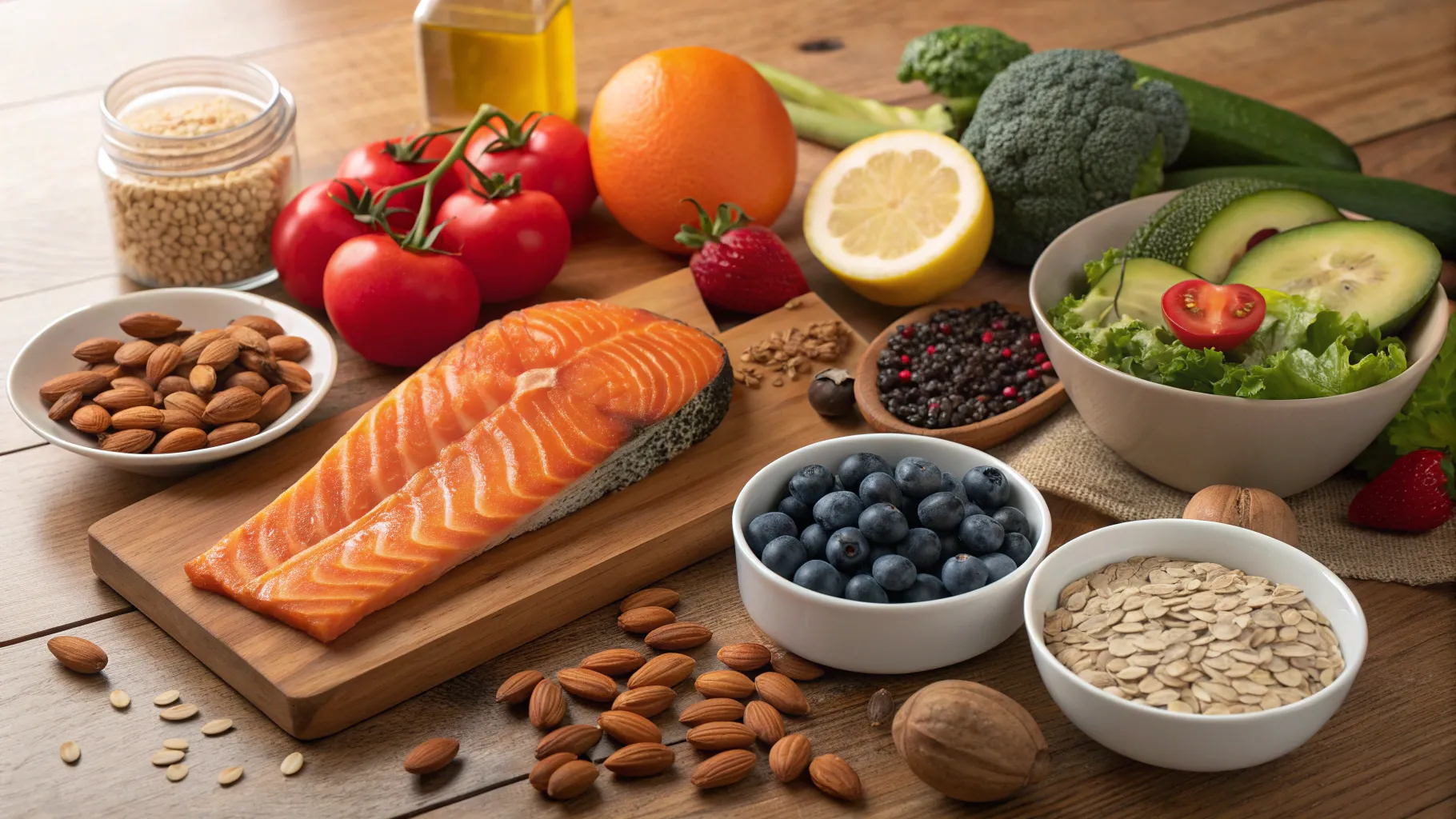
- Embrace a Balanced Diet: Focus on incorporating healthy fats and ample fiber into your meals. Foods high in omega-3 fatty acids, such as salmon, walnuts, and flaxseeds, can effectively lower LDL levels while contributing to heart health.
- Add Soluble Fiber to Your Diet: Include oats, beans, lentils, and certain fruits like apples and pears in your meals. Soluble fiber decreases cholesterol absorption into the bloodstream, a crucial factor in maintaining healthy levels.
- Limit Saturated and Trans Fats: Reducing intake of red meat, butter, whole dairy products, and processed foods can significantly influence your cholesterol levels. Always read nutrition labels closely to avoid trans fats.
- Engage in Physical Activity: Aim for at least 150 minutes of moderate exercise each week. Activities such as walking, biking, or dancing can help increase HDL cholesterol while lowering LDL levels.
- Watch Your Alcohol Intake: If you choose to consume alcohol, moderation is key. Some studies suggest that moderate alcohol intake may raise HDL cholesterol levels, but heavy drinking can have adverse effects on your heart health.
- Quit Smoking: Stopping smoking can improve HDL cholesterol levels and offers a myriad of benefits for heart health, enhancing your overall quality of life.
The Importance of Regular Health Screenings
Being proactive about your health is critical when it comes to cholesterol management. Regular screenings not only help you keep track of your cholesterol levels but also catch any irregularities early on. Current recommendations suggest adults should have their cholesterol checked every four to six years, with more frequent checks for individuals with risk factors like diabetes or family history of heart disease.
The rise of technology has also made home cholesterol testing widely accessible. Devices available today allow you to monitor your cholesterol levels conveniently from home, providing results in a matter of minutes.
Cholesterol Management in Modern Life
In our current lifestyle, convenience foods are everywhere, often leading to problematic cholesterol levels. However, there are ways to combat this trend:
- Meal Prepping: Planning your meals can help you control the ingredients you eat, promoting a heart-healthy diet. Dedicate a few hours weekly to preparing nutritious meals and snacks that meet your dietary needs.
- Opt for Healthier Choices: Whenever possible, choose whole foods instead of processed options. For example, replace pre-packaged snacks with fresh fruits or a handful of nuts.
- Utilize Health Tracking Apps: Many smartphone applications today can track your food intake and physical activity, making it simpler to stay on the right track toward improved heart health.
- Understand Nutrition Labels: Learning how to read nutrition labels empowers you to make informed dietary choices. Pay close attention to the trans fats and cholesterol listed on labels while shopping.
Real-Life Examples of Effective Cholesterol Management
Recent success stories emphasize the importance of a heart-healthy lifestyle. For example, a recent community health initiative demonstrated that participants who followed a Mediterranean diet reduced their LDL cholesterol by up to 20% within three months. This diet emphasizes whole grains, lean proteins, healthy fats, and a generous amount of fruits and vegetables, all of which positively influence cholesterol levels.
Moreover, individuals who dedicated themselves to regular physical activity reported marked improvements in their overall lipid profiles. A local health club launched a program promoting regular exercise alongside dietary adjustments, leading to impressive collective decreases in LDL levels among participants.
On a larger scale, public health campaigns are tirelessly working to raise awareness about cholesterol management. For instance, recent initiatives have encouraged healthier living and provided resources to help people understand their cholesterol levels. These efforts have resulted in measurable improvements in community health statistics in recent months.
The narrative surrounding cholesterol management is increasingly about awareness, lifestyle changes, education, and community support. Adopting a heart-healthy lifestyle not only benefits your cholesterol levels but also enhances your overall well-being.