Macular Degeneration: Symptoms, Causes & Treatments 2025
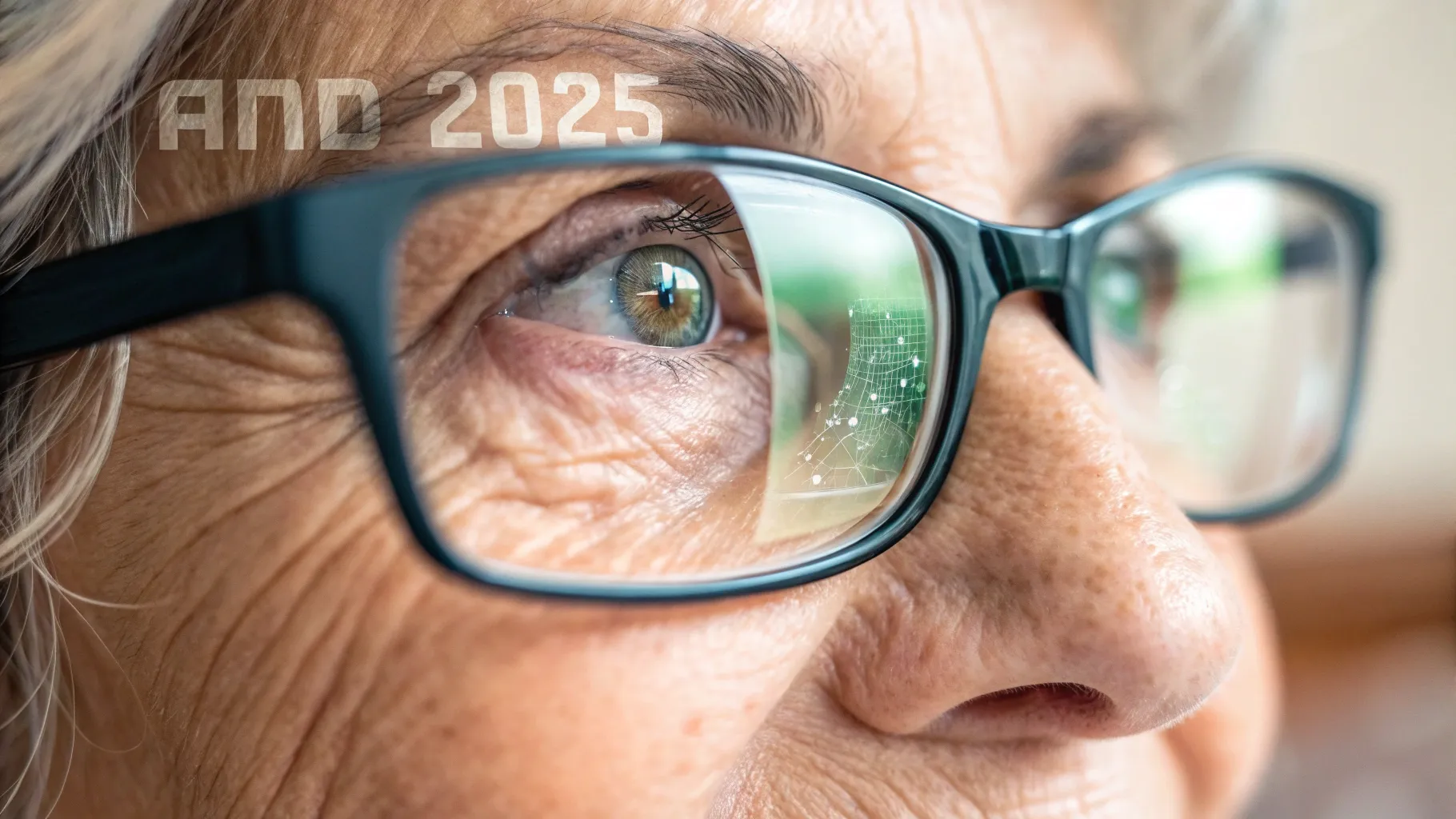
Understanding Macular Degeneration: A Comprehensive Guide for 2025
In the ever-evolving landscape of healthcare, 2025 stands out as a year of optimism and progress, especially concerning age-related macular degeneration (AMD). As a major contributor to vision impairment globally, understanding and managing AMD is a priority. This article dives into its symptoms, causes, and the exciting treatment advancements shaping the future of eye health.
Recognizing Symptoms: The First Step in Management
Detecting AMD early can make a significant difference in preserving sight. Key symptoms to watch for include blurred central vision, challenges in adapting to dim lighting, and seeing straight lines as distorted. These symptoms may appear subtle and are often mistaken for normal age-related changes.
Take, for example, Lucy Jennings, a grandmother in New York, who noticed blurry patches in her field of vision during her evening reading sessions. Her proactive decision to consult an eye specialist led to a timely diagnosis of AMD. Lucy's story underscores the importance of regular eye check-ups, especially for those over the age of 50.
Understanding Causes: The Risks at Play
Age might be the most pronounced risk factor in AMD, but it does not stand alone. A person's genetic makeup, lifestyle choices, and environmental exposures can substantially influence the likelihood of developing AMD. Recent research highlights the role of genetic markers, particularly the CFH gene, in increasing susceptibility.
In 2024, findings published by a collaborative team from John Hopkins University and the Mayo Clinic suggested that gene therapy could revolutionize AMD strategies. These therapies are designed to address genetic vulnerabilities, potentially reducing the progression of AMD for those with hereditary predispositions. The study brings hope to millions carrying genetic risks, marking a pivotal advancement in personalized medicine.
Innovative Treatments: Hope on the Horizon
While a complete cure for AMD remains on the horizon, current treatments offer significant relief and management. Tailored interventions have become the hallmark of modern AMD treatment, focusing on maintaining as much visual function and quality of life as possible:
- Anti-VEGF Therapy: This involves the injection of medications like Aflibercept straight into the eye to block the vascular endothelial growth factor. This helps slow the growth of new blood vessels, reducing further damage.
- Laser Therapy: A traditional yet targeted approach to minimize damages from abnormal vessel growth, it’s usually reserved for specific AMD forms to preserve vision.
- Photodynamic Therapy: Involves using a light-sensitive medication activated by low-level laser light to seal off new blood vessels in the retina, preventing leakage.
Dr. Anita Patel, a renowned ophthalmologist, stresses the personal touch in AMD management. She highlights, “No two AMD cases are alike. Tailored treatment plans are essential in addressing the diverse needs and conditions of patients.”
Adopting a Proactive Lifestyle: The Backbone of AMD Management
Lifestyle choices can greatly affect AMD development and progression. A diet rich in antioxidants and essential fatty acids is advised. Foods such as kale, salmon, and almonds are packed with important nutrients like lutein, zeaxanthin, and omega-3 fatty acids, offering protective benefits for eye health.
Moreover, staying physically active positively contributes to eye health, with studies linking regular exercise to reduced inflammation and better overall cardiovascular function. Quitting smoking and maintaining optimal blood pressure levels further decrease AMD risks.
Public health campaigns now actively promote these lifestyle adjustments, offering guidance and support to individuals aiming to reduce their AMD risk.
The Technological Revolution in AMD Research
In 2025, the intersection of health and technology is more pronounced than ever. Artificial intelligence and machine learning tools are spearheading significant advancements in early detection and treatment customization. These technologies not only enhance the precision of diagnostics but also support creating more individualized treatment plans.
At the heart of this technological wave is the promise of AI-driven tools. They consistently outperform human diagnostic capabilities in identifying early AMD markers, providing a clearer path for timely interventions and improved patient outcomes. As technologies become ever more integrated into healthcare, they bring optimism and enhanced possibilities to AMD management, reflecting a promising era in ocular health.