Macular Degeneration Diet Nutrients for Vision Wellness
Understanding Macular Degeneration Diet
Macular degeneration, often known as age-related macular degeneration (AMD), is a prevalent eye condition affecting millions globally, primarily those over the age of 50. AMD can lead to vision loss, making it crucial to focus on a macular degeneration diet that supports eye health. A nutritious diet can play a pivotal role in maintaining normal eye function and reducing the risk of developing this condition.
In 2025, studies show that nearly 11 million people in the United States live with some form of AMD. This number is expected to double by 2050, highlighting the urgent need for effective prevention strategies. One of the most promising approaches is through a diet rich in antioxidants, vitamins, and minerals that support ocular health.
Nutrients Linked to Maintaining Normal Eye Function
When considering a macular degeneration diet, certain nutrients have been identified as essential for maintaining healthy vision:
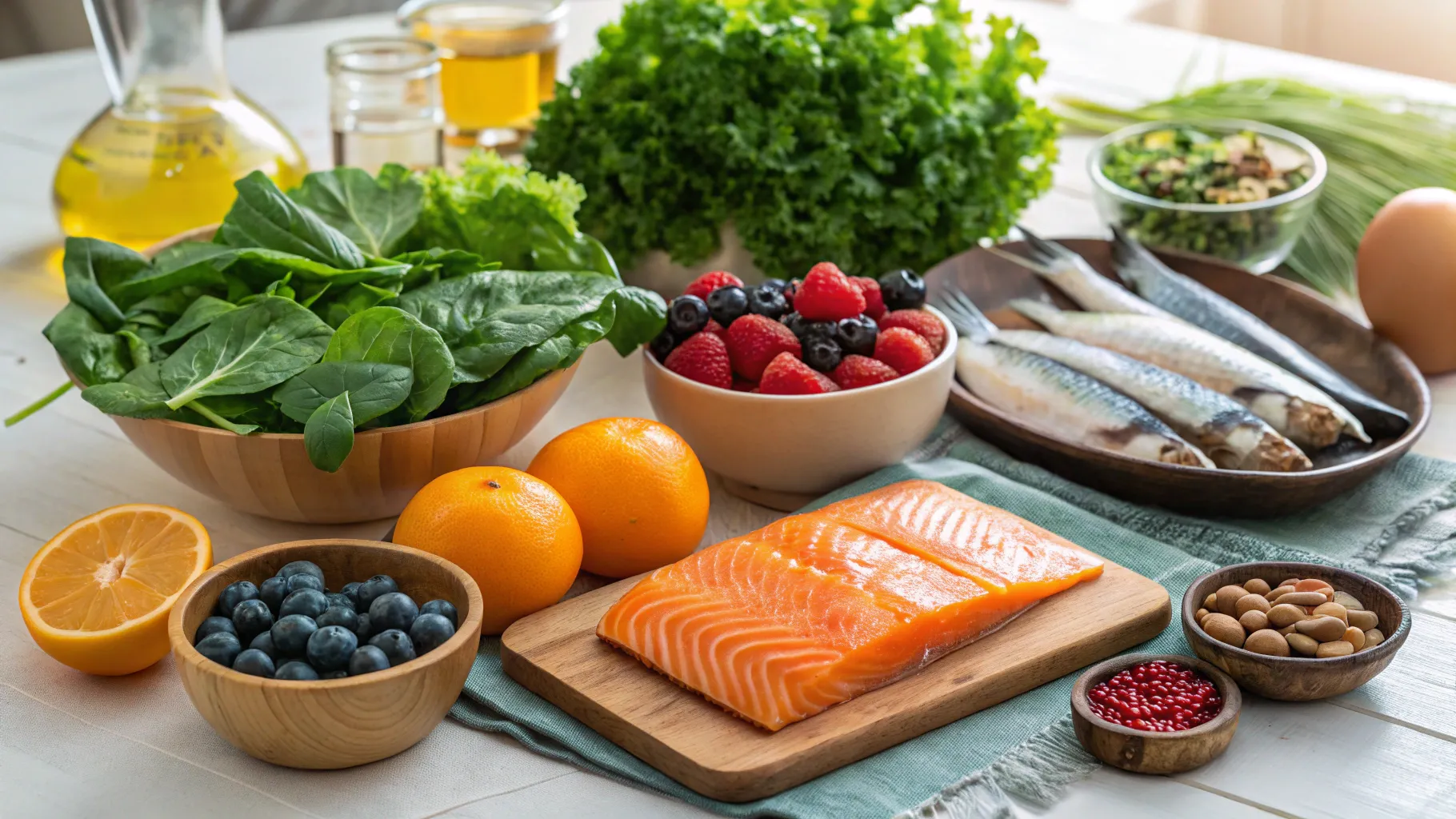
- Lutein and Zeaxanthin: Found in green leafy vegetables like spinach and kale, these carotenoids are vital for filtering harmful blue light and protecting the retina.
- Vitamins C and E: These powerful antioxidants can combat oxidative stress, a major contributor to macular degeneration. Sources include citrus fruits, nuts, and seeds.
- Zinc: This trace mineral plays a significant role in the health of the retina and may help delay the progression of AMD. Foods rich in zinc include oysters, beef, and pumpkin seeds.
- Omega-3 Fatty Acids: Found in fatty fish such as salmon and sardines, omega-3s are known to support overall eye health and may reduce the risk of dry eye syndrome.
- Vitamin D: Emerging research suggests a link between vitamin D deficiency and the progression of AMD. Foods like fatty fish and fortified dairy products can help maintain adequate levels.
Integrating these nutrients into your macular degeneration diet not only benefits your eyes but also supports overall health. A diverse and colorful plate is ideal, ensuring you receive a broad spectrum of vitamins and minerals.
How Healthy Eating Supports Overall Vision Wellness
Healthy eating extends beyond simply including eye-supportive nutrients. It involves an overall lifestyle choice that includes balanced meals, hydration, and regular physical activity. The way we fuel our bodies can greatly affect our vision.
Engaging in a balanced diet can help control weight, blood pressure, and blood sugar levels, which are critical in managing diabetes and hypertension, two significant risk factors for AMD. Increasing intake of fruits, vegetables, whole grains, and lean proteins should be a priority.
Recent studies published in 2025 reveal that individuals who adhere to a Mediterranean-style diet—which emphasizes fruits, vegetables, whole grains, fish, and healthy fats—demonstrate a lower risk of developing AMD. This diet is abundant in all the nutrients necessary to promote eye health.
Foods Commonly Discussed in Macular Degeneration Awareness
In discussions around macular degeneration and nutrition, certain foods consistently come up as beneficial:
- Leafy Greens: Spinach, collard greens, and broccoli are loaded with lutein and zeaxanthin.
- Fatty Fish: Salmon, mackerel, and sardines deliver omega-3 fatty acids essential for eye health.
- Eggs: They are rich in lutein, zeaxanthin, and zinc, making them particularly beneficial.
- Berries: Blueberries and strawberries are high in antioxidants, which combat oxidative stress in the eyes.
- Whole Grains: Oats, quinoa, and brown rice contribute to a healthy diet, supporting overall well-being.
On the flip side, awareness of foods to avoid is equally important. These can exacerbate the risk of AMD and include:
- Processed Foods: High in trans fats and low in nutritional value, these should be limited.
- Red and Processed Meats: Linked to higher rates of AMD, it’s wise to choose lean protein sources like fish and poultry instead.
- Sugar-Rich Foods: Excess sugar can lead to inflammation and increase the risk of chronic diseases affecting the eyes.
- High Sodium Foods: May contribute to hypertension, leading to increased risks of vision issues.
Being mindful of what to include and what to limit in your diet is crucial in managing the risk of macular degeneration effectively.
Personalizing Your Macular Degeneration Diet
Understanding that one diet does not fit all is essential. Each individual may have different needs based on current health status, lifestyle, and preferences. It may be beneficial to consult with a registered dietitian who specializes in ocular health. They can help tailor a personalized macular degeneration diet, considering your unique requirements and tastes.
Moreover, keeping up-to-date with the latest research on macular degeneration and diet can help you adapt your eating habits to better protect your eyesight. As new studies emerge, the recommendations may shift, so staying informed and flexible is key to maintaining optimal vision health.
In summary, adopting a macular degeneration diet rich in specific nutrients not only helps maintain eye function but also contributes to general health. With dedication to a nutrient-packed diet, you can take proactive steps to protect your vision now and well into your later years. Remember that healthy eating is a long-term commitment, and every small change in what you eat can make a significant difference.