Macular Degeneration Diet Guide for Eye Health and Wellness
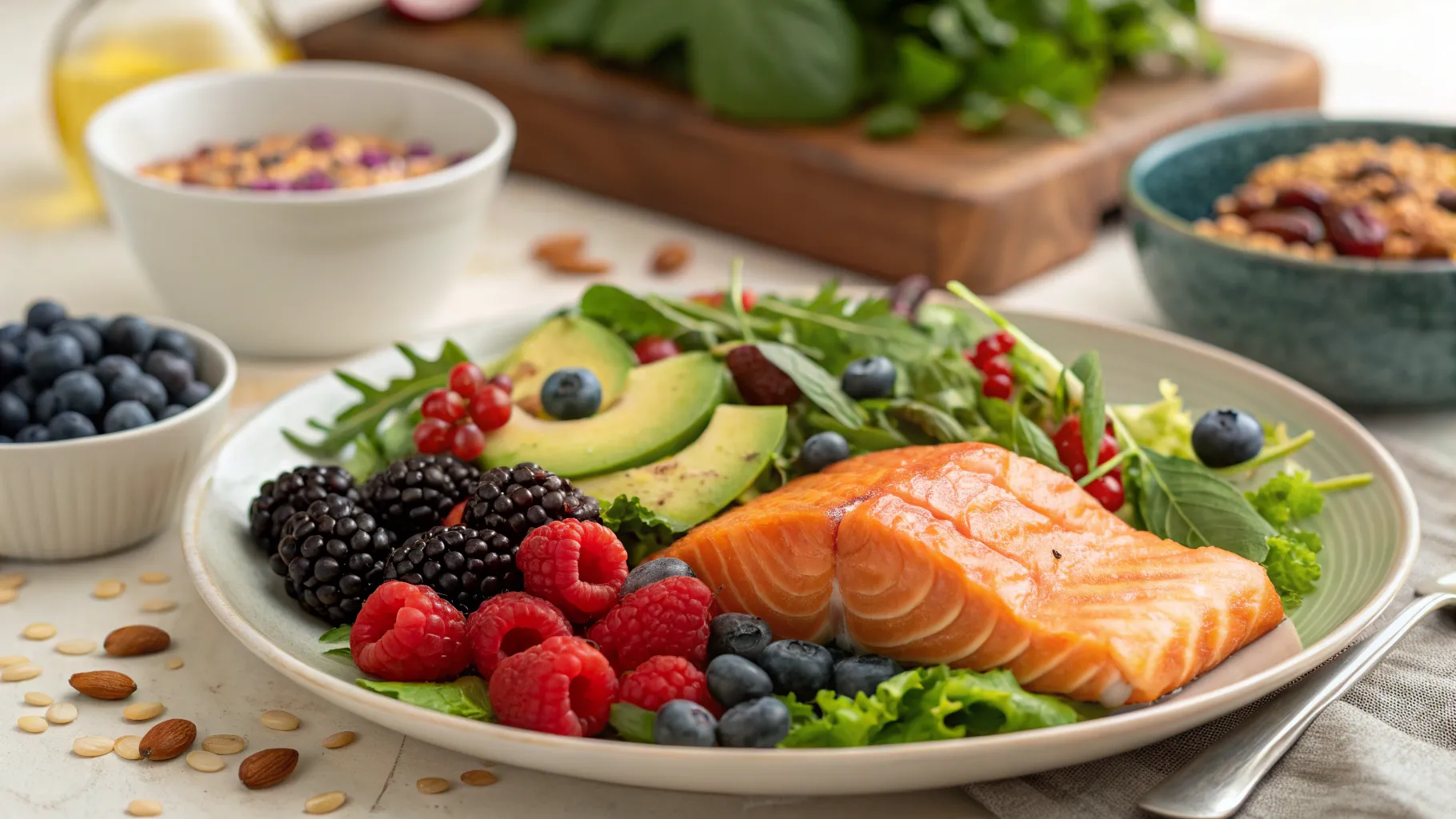
Understanding Macular Degeneration Diet
As we navigate the complexities of aging, one of the most pressing concerns is macular degeneration, a leading cause of vision loss among older adults. In 2025, the importance of diet in managing this condition has gained significant attention, especially as research continues to unveil the impact of specific nutrients on eye health. A macular degeneration diet is more than just a list of foods; it’s a comprehensive approach to supporting overall vision wellness and maintaining normal eye function.
Macular degeneration, particularly age-related macular degeneration (AMD), affects millions. The American Academy of Ophthalmology reports that over 2 million Americans are currently diagnosed with advanced AMD, and that number is expected to rise significantly. With such stark figures, understanding dietary choices becomes crucial in preventing or slowing the progression of this eye disease.
Nutrients Linked to Maintaining Normal Eye Function
When focusing on the macular degeneration diet, it's essential to consider key nutrients that are linked to maintaining normal eye function. These nutrients include:
- Omega-3 Fatty Acids: Found in fish like salmon and mackerel, these fatty acids are known to help reduce the risk of AMD. Studies have shown that higher intake of omega-3 fatty acids correlates with a lower risk of macular degeneration.
- Lutein and Zeaxanthin: These antioxidants, primarily found in leafy greens such as spinach and kale, are considered important because they filter harmful blue light and protect the retina.
- Vitamins C and E: Both vitamins are powerful antioxidants. Vitamin C is found in citrus fruits and bell peppers, while Vitamin E is abundant in nuts and seeds. Their role in neutralizing free radicals can potentially delay AMD progression.
- Zinc: Essential for maintaining eye health, zinc can be found in foods like oysters, red meat, and poultry. It plays a vital role in processing vitamin A, which is crucial for good vision.
Research from the past year highlights that those who incorporate these nutrients into their daily diet have seen improvements in their eye health, emphasizing the link between nutrition and vision.
How Healthy Eating Supports Overall Vision Wellness
Healthy eating promotes not just physical well-being, but also contributes extensively to our vision health. In 2025, nutritionists encourage a diet rich in whole foods, which not only provides essential vitamins and minerals but also supports overall bodily functions, including vision. For instance, diets high in fruits, vegetables, whole grains, and healthy fats are often associated with lower risks of chronic diseases, including eye-related conditions.
Moreover, studies from the last couple of years suggest that a Mediterranean diet, characterized by an abundance of fruits, vegetables, nuts, and olive oil, can foster eye health. This dietary pattern has shown effectiveness not just in preventing macular degeneration but also in promoting better cognitive function and overall vitality.
Foods Commonly Discussed in Macular Degeneration Awareness
When conducting discussions around macular degeneration and diet, specific foods often come to the forefront. Here’s a look at some foods that are commonly discussed:
- Berries: Rich in antioxidants, blueberries and strawberries can help in reducing inflammation and oxidative stress in the eyes.
- Carrots: Long hailed for their vision benefits, carrots are high in beta-carotene, which is essential for retinal health.
- Eggs: A great source of lutein and zinc, eggs contribute to eye health and can help in maintaining optimal vision.
- Whole Grains: Foods like quinoa, brown rice, and whole-wheat bread provide necessary nutrients while helping to maintain blood sugar levels.
As public awareness continues to evolve, understanding which foods bolster eye health is critical. Nutritional initiatives focused on educating seniors about these beneficial foods are popping up in communities across the country.
Macular Degeneration Foods to Avoid
Just as important as incorporating healthy foods into your diet is knowing which foods to steer clear of. Here’s a list of foods that can potentially worsen macular degeneration:
- Saturated Fats: Found in red meat and full-fat dairy, these fats can contribute to inflammation and increase risks associated with macular degeneration.
- Sugar and Refined Carbohydrates: These can lead to obesity and diabetes, both of which are risk factors for AMD. Foods like white bread, pastries, and sugary drinks should be consumed in moderation.
- Processed Foods: High in trans fats and low in beneficial nutrients, processed foods can accelerate the progression of macular degeneration.
Being mindful of what you consume is crucial, especially as we age. Evidence from studies in 2025 emphatically supports the assertion that a balanced diet can hinder the onset of degenerative eye diseases and promote long-term ocular health.
In summary, adopting a macular degeneration diet can greatly enhance your overall vision wellness. By focusing on nutrient-rich foods while avoiding harmful options, individuals can take proactive steps towards maintaining their eye health. With ongoing research and growing awareness, the power of a healthy diet in the prevention and management of macular degeneration remains unassailable.