Macular Degeneration Diet for Eye Health and Wellness
Understanding Macular Degeneration Diet
Macular degeneration, known medically as age-related macular degeneration (AMD), is a leading cause of vision loss in adults over 50. With the population aging, it’s more crucial than ever to understand how a proper diet can affect eye health. In recent studies, it has been found that nutritional choices play a significant role in maintaining vision and potentially slowing the progression of macular degeneration.
The right diet can help in managing AMD by providing essential nutrients that support overall eye health. These nutrients not only protect the retina but also help in maintaining overall normal eye function. Let’s delve into what constitutes a ‘‘macular degeneration diet’’ and which foods can either aid or hinder eye health.
Nutrients Linked to Maintaining Normal Eye Function
When it comes to fighting macular degeneration, certain nutrients are paramount in protecting the eyes. Here’s a closer look at some of these essential nutrients:
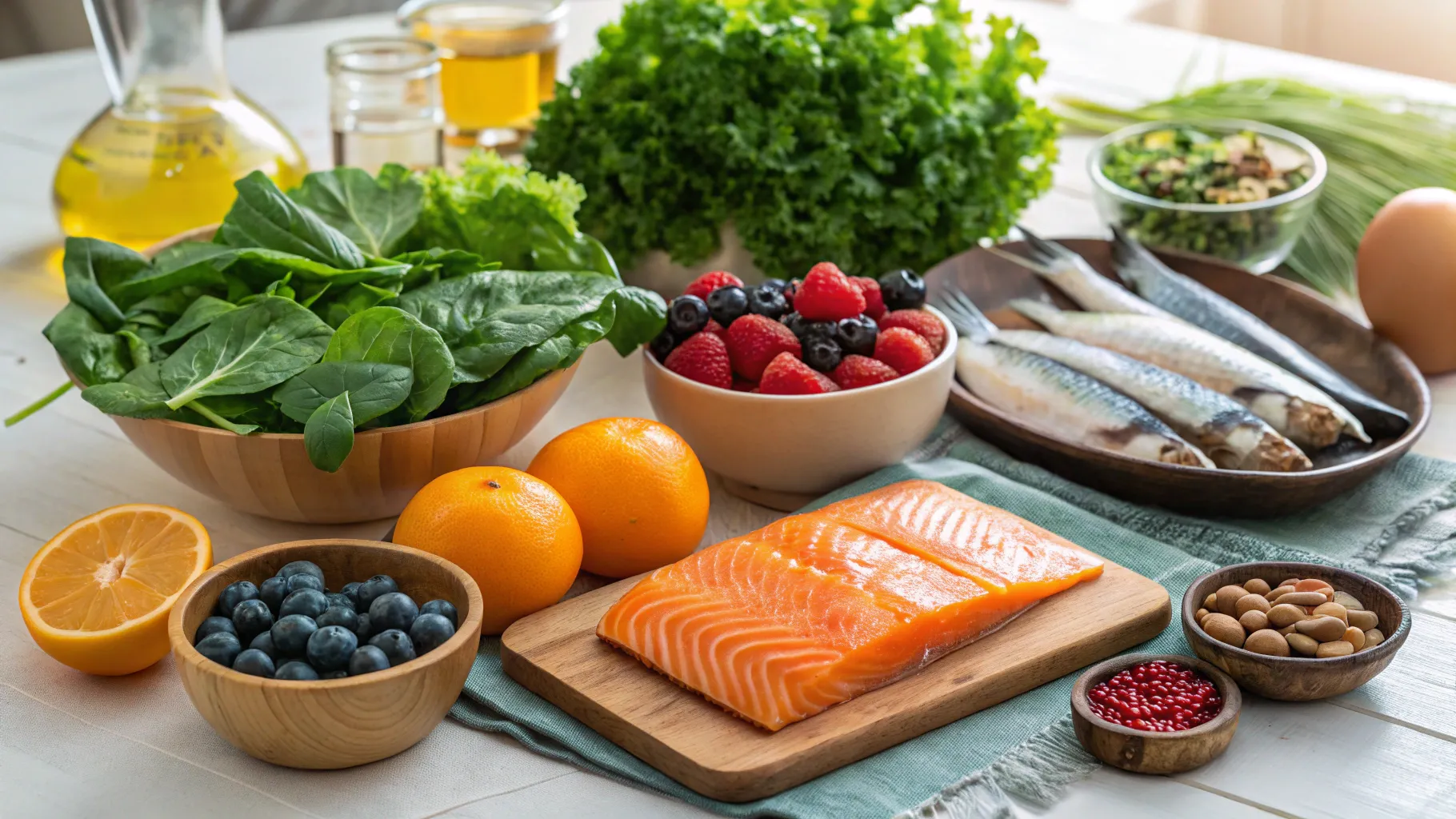
- Antioxidants: Vitamins C and E are both powerful antioxidants that combat oxidative stress, helping to protect the retina from damage. Foods rich in these vitamins, such as citrus fruits, nuts, seeds, and leafy greens, should be included in your diet.
- Lutein and Zeaxanthin: These carotenoids are crucial for eye health, as they filter harmful blue light. High levels of lutein and zeaxanthin can be found in foods like spinach, kale, and corn.
- Omega-3 Fatty Acids: Found in fish such as salmon and flaxseeds, omega-3s support retinal health and have been shown to reduce the risk of dry AMD.
- Zinc: This mineral plays a critical role in transporting vitamin A from the liver to the retina, which is vital for vision. Foods such as oysters, meat, and legumes are excellent sources of zinc.
Incorporating foods high in these nutrients can bolster your macular degeneration diet, providing your eyes with the necessary tools to fight back against deterioration.
How Healthy Eating Supports Overall Vision Wellness
Healthy eating is not limited to just one type of food; it is more about balanced consumption. The Mediterranean diet, for instance, has gained popularity for its myriad health benefits, particularly for heart and eye health. This diet emphasizes the consumption of whole grains, lean proteins, healthy fats, fruits, and vegetables, all of which can contribute to better eye health.
In 2023, a study published in the Journal of Ophthalmology revealed that individuals following a Mediterranean diet reduced their risk of developing AMD by nearly 25%. This is attributed to the high levels of antioxidants and omega-3 fatty acids typically found in this diet.
Moreover, maintaining a healthy weight is equally important. Obesity is associated with a higher risk of progression and severity of macular degeneration. Regular physical activity and a balanced diet play a fundamental role in keeping obesity at bay, supporting better overall vision.
Foods Commonly Discussed in Macular Degeneration Awareness
It’s essential to be aware of the foods that are beneficial and those that may exacerbate macular degeneration. Here are some foods often highlighted in macular degeneration awareness campaigns:
- Leafy Greens: Spinach, kale, and collard greens are packed with lutein and zeaxanthin.
- Fruits: Berries, oranges, and kiwi are high in vitamins and antioxidants.
- Fish: Fatty fish like salmon, sardines, and trout are excellent for omega-3s.
These foods not only help in preventing eye diseases but also promote better overall health.
Macular Degeneration Foods to Avoid
Just as there are foods that can help, there are also those that should be avoided to promote better eye health. High intake of the following can worsen macular degeneration:
- Processed Foods: Foods rich in refined sugars and unhealthy fats, such as fast food, snacks, and soda, can elevate inflammation and oxidative stress.
- Red Meat: A high intake of red and processed meats can be linked to higher risks of AMD.
- High Glycemic Index Foods: Foods that spike blood glucose levels like white bread, pastries, and sugary drinks can increase the risk of developing AMD.
Reducing the consumption of these foods can be beneficial for those concerned about macular degeneration. Making conscious food choices not only improves eye health but also contributes positively to one’s overall well-being.
Real-World Examples and Case Studies
In 2024, a fascinating case study showcased an elderly woman who successfully slowed the progression of her macular degeneration by adopting a nutrient-rich diet. After consulting with an eye specialist and a nutritionist, she incorporated foods abundant in the mentioned nutrients. Within six months, her vision stabilized, and her overall health improved significantly.In another instance, a group of researchers conducted a broad study involving over 5,000 participants, tracking their diets and eye health for over five years. The results clearly indicated that individuals who adhered closely to a diet rich in fruits, vegetables, and omega-3 fatty acids had a markedly lower incidence of both wet and dry AMD.
As more scientific research emerges, it’s evident that healthy eating plays a vital role in vision wellness. By focusing on a diet rich in antioxidants, vitamins, and healthy fats while minimizing harmful foods, individuals can not only support their health but actively engage in the fight against macular degeneration.
In summary, understanding the macular degeneration diet and implementing it requires diligence but promising benefits await those who prioritize eye health through nutrition.