Understanding Lymph Fluid Health
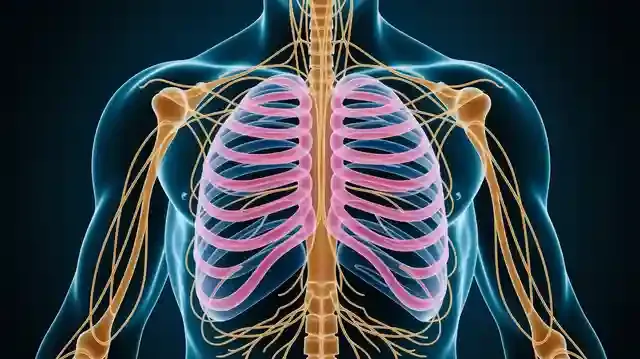
Recognizing Signs of Lymph Fluid Buildup
Lymph fluid is a vital part of our body’s immune system, ensuring that waste products are effectively removed. However, when lymph fluid accumulates, it can lead to swelling, most commonly in the arms and legs. This swelling, known as lymphedema, can be uncomfortable and, if left untreated, may cause further complications.
Swollen legs due to lymph fluid are a particularly telltale sign, often appearing as a heavy, tight sensation. You may also notice that jewelry or clothing fits more snugly than usual. In severe cases, skin changes such as thickening or hardening can occur, signaling the need for immediate attention and care.
Recent data suggests that up to 10 million Americans suffer from lymphedema, highlighting the importance of early detection and management. Identifying the signs early can significantly improve quality of life.
How to Drain Lymph Fluid Naturally
Learning how to drain lymph fluid naturally can play a critical role in alleviating symptoms of buildup. One effective method is manual lymphatic drainage (MLD), a gentle massage technique that encourages the movement of lymph fluid. It's often recommended to seek professional guidance to ensure the correct method and pressure are used.
In addition to MLD, exercise remains a cornerstone in lymph fluid management. Activities such as yoga, swimming, and walking not only enhance circulation but also promote lymphatic flow. Hydration is equally important, with a recommendation of at least 8-10 glasses of water daily to assist the body in naturally eradicating toxins.
Moreover, understanding the power of diet can significantly impact lymphatic health. Foods that help flush lymphatic fluid include leafy greens, citrus fruits, and herbs such as parsley and mint. These nutrient-rich foods not only support the lymphatic system but also offer additional health benefits.
The Best Supplements for Lymphatic Drainage
While natural methods are foundational, supplements can offer an additional boost in managing lymph fluid. Some of the best supplements for lymphatic drainage include horse chestnut extract, which is known to reduce swelling, and rutin, a bioflavonoid that strengthens blood vessels and supports fluid reduction.
Bromelain, an enzyme found in pineapples, is another effective supplement due to its anti-inflammatory properties. It's crucial, however, to consult with a healthcare provider before introducing any new supplement to your regimen, particularly if you have underlying health issues.
Recent studies have shown that incorporating these supplements can reduce the occurrence of lymphedema-related symptoms by up to 40%, providing a compelling case for their inclusion in a comprehensive care plan.
Addressing Swollen Legs Due to Lymph Fluid
Managing swollen legs due to lymph fluid requires a multi-faceted approach. Starting with compression garments can offer immediate relief by promoting proper fluid circulation and reducing swelling. These garments are specifically designed to provide the right amount of pressure to encourage lymph flow.
Elevating the legs, especially after prolonged periods of sitting or standing, can also aid in reducing swelling. Aim to keep the legs raised above the level of the heart for at least 15-30 minutes daily.
Incorporating these practices not only addresses symptoms but supports overall lymphatic health. Establishing a daily routine that includes these strategies can lead to lasting improvements.
In conclusion, maintaining optimal lymph fluid balance is vital for health and well-being. By recognizing the signs of lymph fluid buildup and integrating natural drainage techniques, supplements, and dietary choices, it's possible to support a healthy lymphatic system. Focus on holistic and personalized approaches for the best results, and remember that professional advice is beneficial in navigating individual health needs.