Unlocking Cellular Longevity: A Deep Dive into Longevity Supplements for Anti-Aging
Fast Facts:
- Global market for longevity supplements projected for rapid growth.
- Interest in healthspan extension rising for proactive aging management.
Understanding the Science of Longevity Supplements for Anti-Aging
The quest for sustained youth and vitality has led to significant advancements in understanding biological aging processes. Modern research is increasingly focused on how specific compounds can support cellular longevity and potentially extend our healthspan extension. This article delves into the burgeoning field of longevity supplements for anti-aging, exploring their mechanisms, efficacy, and the scientific backing that supports their use.
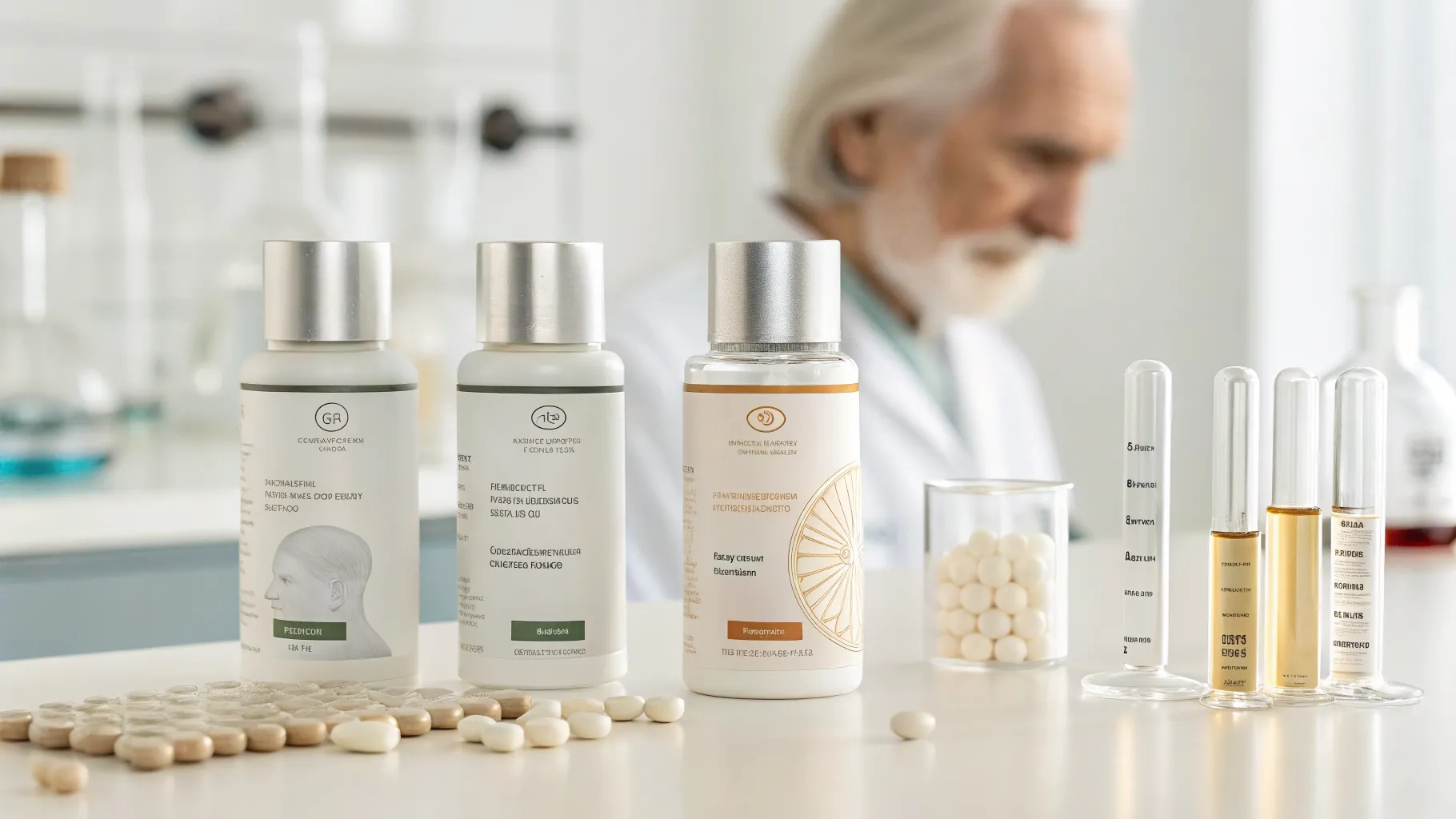
Key Mechanisms of Action for Anti-Aging Supplements
Understanding how anti-aging supplements work is crucial for appreciating their potential benefits. These supplements typically target fundamental biological pathways associated with aging. One primary focus is on mitochondrial function, as mitochondria are the powerhouses of our cells, and their decline contributes significantly to age-related cellular damage. Many longevity supplements for anti-aging aim to optimize mitochondrial health, enhancing energy production and reducing oxidative stress. Another critical area is cellular senescence, where "zombie cells" accumulate and release inflammatory signals. Compounds known as senolytics are designed to selectively eliminate these senescent cells, thereby reducing chronic inflammation and improving tissue function. Furthermore, the regulation of sirtuins, a family of proteins involved in DNA repair and metabolism, is a common target. Sirtuin activators are believed to mimic the effects of caloric restriction, a proven method for extending lifespan in many organisms, by upregulating these protective pathways and promoting cellular longevity.
Popular Categories of Longevity Supplements
The market for longevity supplements for anti-aging is diverse, encompassing a range of compounds each with unique roles in supporting age-related health. Perhaps the most widely discussed are NAD+ boosters, such as Nicotinamide Mononucleotide (NMN) and Nicotinamide Riboside (NR). NAD+ is a vital coenzyme involved in hundreds of cellular processes, including energy metabolism, DNA repair, and sirtuin activity. Levels of NAD+ naturally decline with age, and boosting them is thought to support a healthier aging process and enhance cellular longevity. Another significant category includes compounds like Resveratrol and Quercetin, often recognized for their antioxidant and anti-inflammatory properties. Resveratrol, found in red wine, activates sirtuins, while Quercetin, a flavonoid, acts as a potent antioxidant and a mild senolytic. Berberine, known for its metabolic benefits, also shows promise in supporting healthy aging by influencing glucose metabolism and AMPK pathways. These are just a few examples of the many compounds being rigorously studied for their potential to contribute to healthspan extension.
The Promise of Senolytics in Promoting Healthspan Extension
Senolytics represent a revolutionary class of anti-aging supplements specifically designed to target and eliminate senescent cells. These "zombie cells" cease dividing but remain metabolically active, secreting a harmful cocktail of pro-inflammatory cytokines, growth factors, and proteases known as the Senescence-Associated Secretory Phenotype (SASP). The accumulation of senescent cells contributes to chronic inflammation, tissue dysfunction, and the development of numerous age-related diseases. By selectively inducing apoptosis (programmed cell death) in senescent cells, senolytics aim to clear this burden from the body. Compounds like Fisetin, a natural flavonoid, and the combination of Dasatinib and Quercetin (D+Q) have shown significant promise in preclinical and early human studies. Fisetin, found in strawberries and other fruits, has been identified as a potent natural senolytic, reducing senescent cell burden and improving health markers in animal models. The goal of using senolytics is not just to extend lifespan but, crucially, to extend healthspan extension – the period of life spent in good health, free from chronic diseases.
Exploring the Impact of NAD+ Boosters on Cellular Longevity
Nicotinamide Adenine Dinucleotide (NAD+) is an indispensable coenzyme that plays a central role in virtually all biological processes, particularly those related to metabolism, energy production, and DNA repair. As we age, NAD+ levels naturally decline, a phenomenon implicated in various aspects of the aging process and the onset of age-related conditions. This decline impairs critical cellular functions, making NAD+ boosters a prominent area of research within longevity supplements for anti-aging. Compounds such as Nicotinamide Mononucleotide (NMN) and Nicotinamide Riboside (NR) serve as precursors to NAD+, meaning the body converts them into NAD+. By supplementing with NMN or NR, researchers hypothesize that it is possible to replenish dwindling NAD+ stores, thereby supporting mitochondrial function, enhancing DNA repair mechanisms, and activating sirtuins – proteins that are crucial for regulating cellular longevity and stress resistance. While human trials are ongoing, preclinical studies have demonstrated promising results in improving metabolic health, muscle function, and overall healthspan extension by elevating NAD+ levels.
Integrating Longevity Supplements into Your Lifestyle
While the science behind longevity supplements for anti-aging is compelling, integrating them effectively into a daily routine requires careful consideration and a holistic approach. Supplements should complement, not replace, fundamental healthy lifestyle choices. Here are some actionable steps to consider:
- Consult a Healthcare Professional: Before starting any new supplement regimen, especially with potent compounds like senolytics or NAD+ boosters, it is crucial to consult with a doctor or a qualified healthcare provider. They can assess your individual health status, potential interactions with existing medications, and help determine appropriate dosages to support your journey towards enhanced cellular longevity.
- Prioritize Foundational Health: Remember that no supplement can fully counteract poor diet, lack of exercise, insufficient sleep, or chronic stress. Focus on a nutrient-rich diet, regular physical activity, adequate restorative sleep, and effective stress management techniques as the bedrock for true healthspan extension. These lifestyle factors significantly impact how well your body can utilize and respond to anti-aging supplements.
- Start Low and Go Slow: If you decide to incorporate longevity supplements, begin with lower doses to assess your body's response. Monitor for any adverse effects and gradually increase the dosage if recommended by your healthcare professional. This cautious approach minimizes potential discomfort and allows your system to adapt.
- Choose Quality Supplements: The supplement industry is vast, and quality varies significantly. Opt for products from reputable manufacturers that provide third-party testing for purity, potency, and absence of contaminants. Look for certifications and transparent sourcing information to ensure you are getting safe and effective longevity supplements for anti-aging.
- Stay Informed and Realistic: The field of longevity science is rapidly evolving. Stay updated with the latest research, but also maintain realistic expectations. While promising, anti-aging supplements are not a magic bullet. They are tools that, when used wisely and in conjunction with a healthy lifestyle, can support your body's natural processes for cellular longevity.
Frequently Asked Questions
What are longevity supplements for anti-aging?
Longevity supplements for anti-aging are compounds designed to target the biological mechanisms of aging, aiming to improve healthspan and potentially extend lifespan by supporting cellular health and function, such as enhancing cellular longevity and boosting NAD+ levels.
Are anti-aging supplements safe?
The safety of anti-aging supplements varies greatly by compound and individual. While many are generally recognized as safe, it is crucial to consult a healthcare professional before starting any new supplement, especially those like senolytics or NAD+ boosters, to discuss potential side effects and interactions.
How do NAD+ boosters contribute to cellular longevity?
NAD+ boosters like NMN and NR elevate levels of Nicotinamide Adenine Dinucleotide (NAD+), a vital coenzyme that declines with age. Higher NAD+ levels support mitochondrial function, DNA repair, and sirtuin activity, all of which are crucial for maintaining robust cellular longevity and overall cellular health.
Can senolytics truly reverse aging?
While senolytics show promise in clearing senescent cells and mitigating age-related dysfunction, it's more accurate to say they can significantly improve healthspan extension by reducing inflammation and tissue damage, rather than reversing aging entirely. Research is ongoing into their full potential.
How long does it take to see results from longevity supplements?
The time frame for observing results from longevity supplements for anti-aging can vary widely depending on the specific supplement, individual physiology, dosage, and lifestyle factors. Some effects on markers of cellular longevity might be subtle and require sustained use, while others might manifest more quickly.
References
- Scientific studies on sirtuin activators and caloric restriction mimetics.
- Research on NAD+ metabolism and precursors like NMN and NR.
- Clinical trials and preclinical data regarding senolytic compounds.
- Studies on oxidative stress and anti-inflammatory properties of certain compounds.