A Guide to Planning Long Weekend Getaways for Seniors
Planning a short vacation requires thoughtful consideration to ensure the experience is both enjoyable and relaxing. For older adults, taking a few days away from the daily routine can provide a wonderful boost to mental and physical well-being. Knowing how to approach the logistics of a short trip can make all the difference in creating lasting, positive memories.
Assessing Mobility and Accessibility Needs
When organizing a short trip, understanding the physical requirements of the travelers is a crucial first step. Terrain, walking distances, and the availability of elevators or ramps can significantly impact the overall experience. Evaluating these factors beforehand helps prevent unexpected challenges upon arrival.
It is equally important to research the accommodations and attractions. Many hotels and transportation services offer detailed accessibility information online. Taking the time to verify these details ensures that the chosen destination can comfortably accommodate mobility aids like walkers or wheelchairs if needed.
Choosing the Right Type of Destination
The ideal location for a long weekend often depends on personal interests and desired activity levels. Nature retreats, historical cities, and coastal towns each offer distinct advantages. Selecting a destination that aligns with the travelers preferences guarantees a more fulfilling and enjoyable experience.
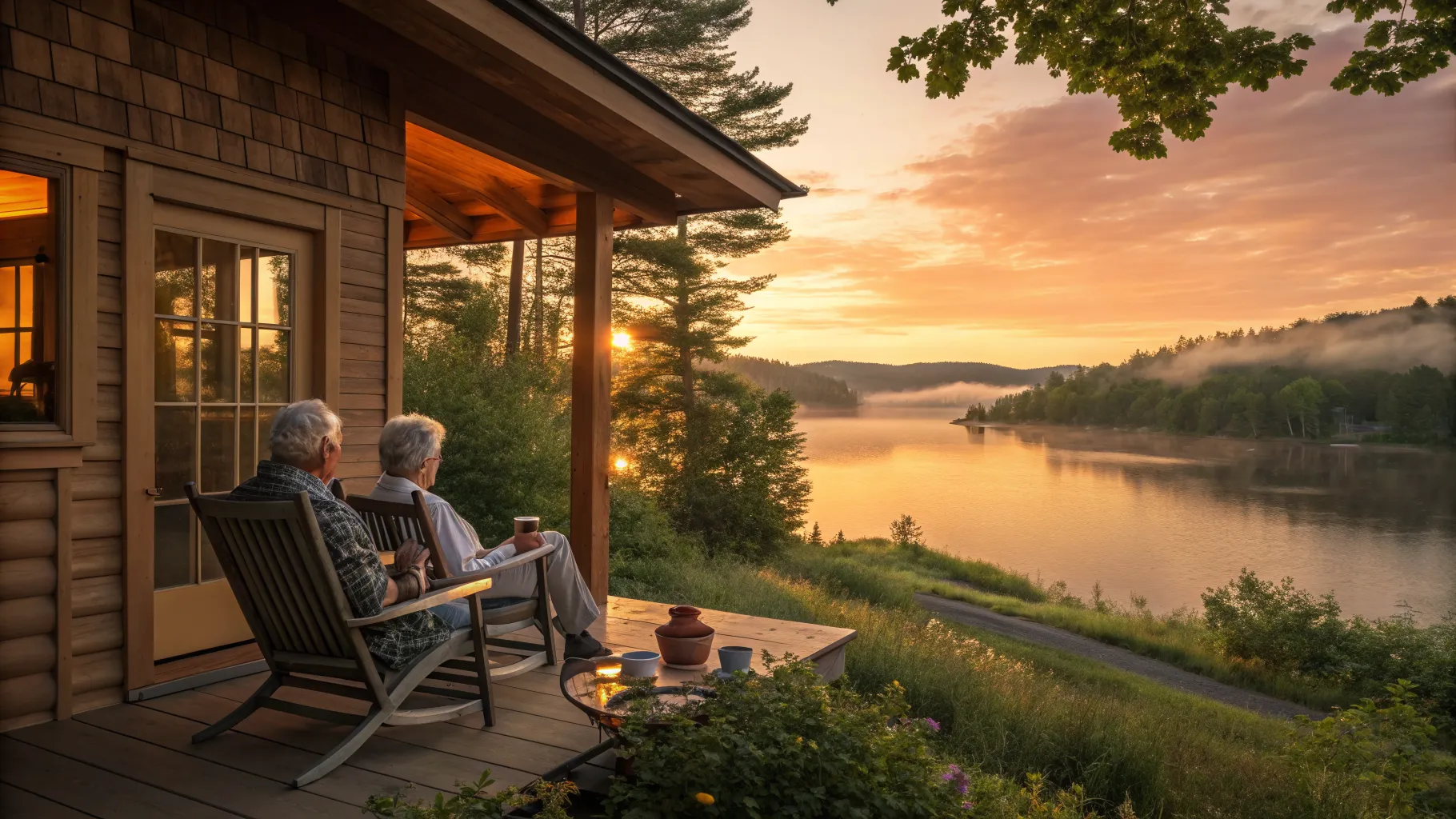
For those seeking relaxation, scenic drives to a quiet mountain lodge or a beachfront resort might be perfect. Alternatively, seniors who enjoy culture and history might prefer visiting a city known for its accessible museums, theaters, and culinary scenes. Balancing activity with rest is key to a successful itinerary.
Pacing the Itinerary for Comfort
A common mistake in travel planning is overpacking the schedule with too many activities. A long weekend should be refreshing rather than exhausting. Building in ample downtime allows travelers to recharge and fully appreciate their surroundings without feeling rushed.
- Plan no more than one or two main activities per day.
- Schedule frequent breaks for meals and rest.
- Keep travel times between attractions as short as possible.
- Allow for flexibility in case someone feels tired or the weather changes.
Navigating Transportation Options
The journey itself is a major component of any getaway. Driving can offer flexibility and the ability to pack personal comfort items, but it can also be tiring. For road trips, planning regular stops to stretch and use the restroom is essential for comfort and safety.
Alternatively, trains and short domestic flights can reduce travel fatigue. Train travel, in particular, is often praised by older adults for its spacious seating and scenic routes. When booking flights, requesting wheelchair assistance or early boarding can make navigating large airports much easier and less stressful.
Packing Smart for a Short Trip
Efficient packing can make a significant difference in the ease of travel. A heavy suitcase can become a burden, especially when moving between transportation modes or navigating hotel lobbies. Focusing on versatile clothing layers and essential items keeps luggage light and manageable.
Medications and important health documents should always be packed in a carry-on bag or a purse, never in checked luggage. It is also wise to bring a small first aid kit, comfortable walking shoes, and any specific items that aid in daily comfort, such as a favorite travel pillow or a compact umbrella.
Safety and Health Considerations
Prioritizing health and safety provides peace of mind throughout the trip. Researching the location of the nearest hospital or urgent care clinic at the destination is a simple but vital precautionary measure. Travelers should also carry an up-to-date list of their current medications and emergency contacts.
Travel insurance is another factor worth considering, even for short domestic trips. Policies that cover trip cancellations or unexpected medical emergencies offer valuable protection. By addressing these practical details before departure, seniors can focus entirely on enjoying their well-deserved weekend escape.