Understanding Liver Function Symptoms
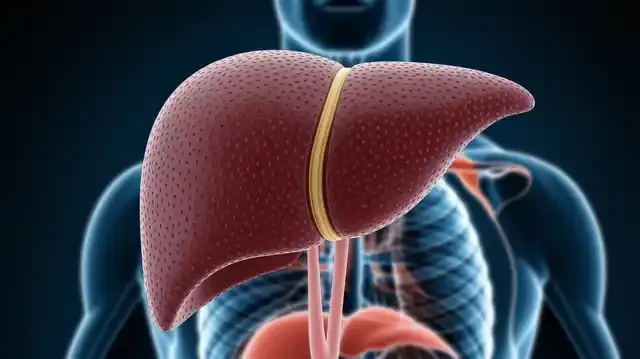
Liver Function Symptoms and Their Impact
The liver is a powerhouse organ, coordinating various bodily functions crucial for your health. But how often do we really think about its wellbeing? Many are unaware until signs of liver problems start manifesting. Recent studies have shown an alarming rise in liver-related illnesses, highlighting the importance of recognizing early symptoms. Intriguingly, a study published in April 2023 reported a 20% increase in liver disease diagnosis compared to the previous year.
One might ask, "What are the signs of liver problems?" This question is vital, as early intervention can prevent serious conditions. Common symptoms such as fatigue, jaundice, or abdominal pain can often be confused with minor illnesses. However, persistent symptoms require attention and possible medical intervention.
Early Symptoms of Liver Disease
Speaking of early symptoms of liver disease, we can't overlook subtle indicators. Unexplained weight loss or appetite, chronic fatigue, and nausea are red flags often brushed aside. In a 2023 health report, it was noted that more than 30% of cases progressed due to negligence in addressing these early symptoms.
Consider itching, technically known as pruritus, which may seem benign but can be linked to liver dysfunction. How many of us would connect persistent itching to liver health?
How To Know If Liver Is Failing
Understanding how to know if the liver is failing requires awareness of more severe symptoms. Liver failure doesn't happen overnight; it's a gradual process. However, sudden confusion, frequent bruising, and swelling in limbs indicate advanced stages.
One recent case study involved a 40-year-old office worker who experienced these symptoms but attributed them to work stress. Unfortunately, the delay in seeking medical advice led to the diagnosis of advanced liver disease. This underscores the need for public education about liver health warning signs.
You might wonder, "Why should I bother knowing all these symptoms?" The answer lies in taking control of your health. By recognizing and acting on symptoms promptly, you can take a proactive approach to prevent fatal outcomes.
Prevention and Management
While understanding symptoms is crucial, prevention is equally important. Maintaining a balanced diet, regular exercise, and avoiding overconsumption of alcohol significantly contribute to liver health. The role of vaccinations against hepatitis also cannot be overstated, with recent statistical evidence indicating a 40% decrease in liver infections within vaccinated populations.
Managing stress levels and maintaining a sustainable lifestyle can mitigate the risk factors associated with liver diseases. Furthermore, being informed about your family medical history offers insight into personal risks.
It’s worth noting that regular check-ups play a key role in early detection. In a June 2023 article, healthcare professionals emphasized the significance of routine liver function tests (LFTs), particularly for high-risk groups. This allows timely identification and management of possible complications.
Community awareness programs have dramatically increased during 2023, educating millions about liver function symptoms. As a result, there is a growing trend in self-monitoring and early intervention, empowering individuals to seek medical help when needed.
To summarize, while liver function symptoms might appear trivial, they are, in essence, your body's way of signaling potential health threats. Addressing them with seriousness, educating oneself, and maintaining a liver-friendly lifestyle is the best strategy. As more people realize this, a shift towards improved liver health on a global scale becomes achievable.
Living a healthy lifestyle not only benefits your liver but enhances your overall wellbeing, ensuring you avoid complications. So, keep an eye on liver function symptoms, prioritize your health, and consult professionals for any concerns.