Liver Cirrhosis Causes Symptoms and Effective Treatments
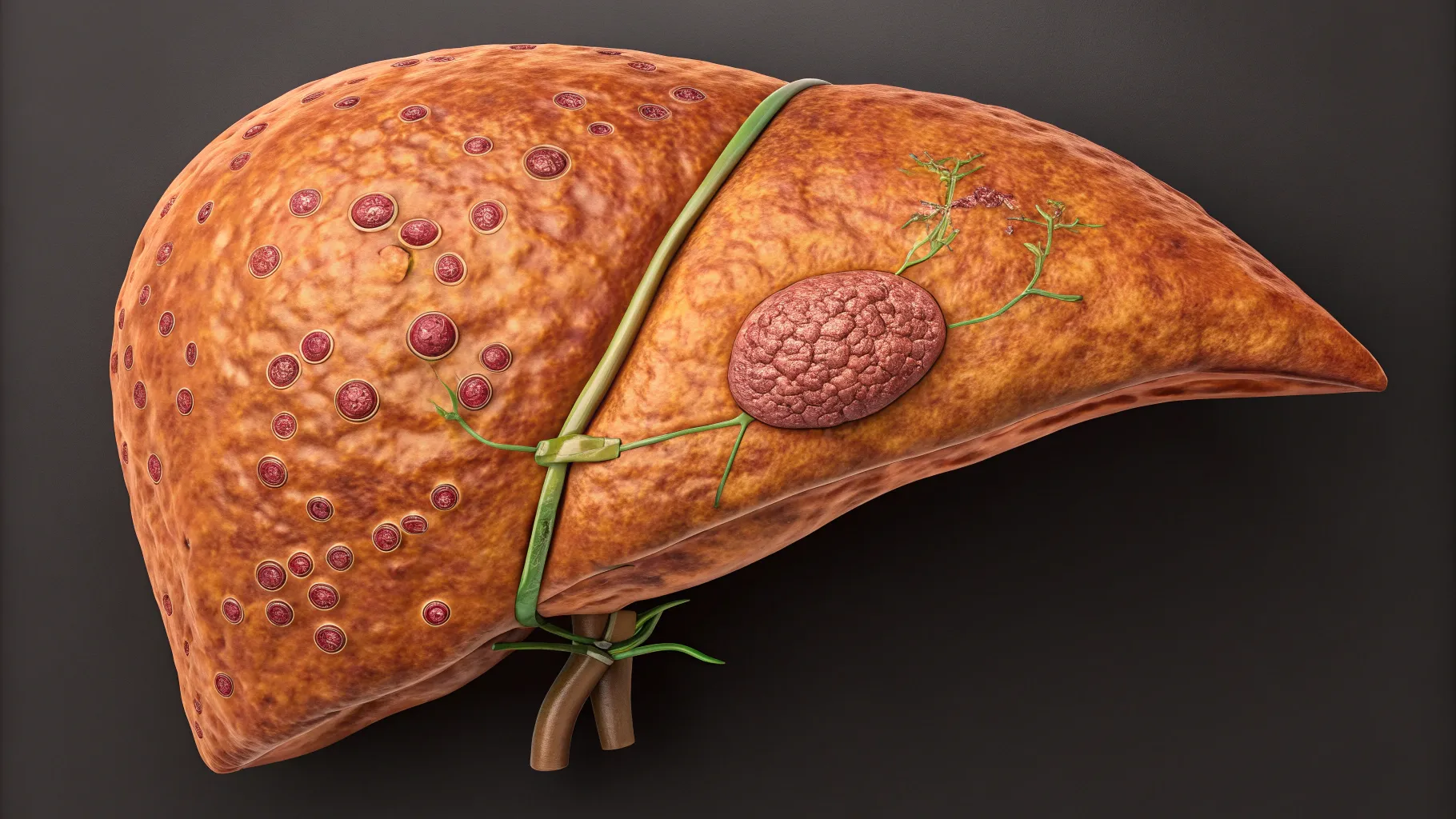
Liver Cirrhosis Understand the Causes and Symptoms
Liver cirrhosis is a chronic condition that signifies extensive damage to the liver, transforming a normally functioning organ into scar tissue. This disease remains a prominent public health issue in the world today. In 2025, liver cirrhosis is recognized as one of the most significant causes of both disability and mortality, impacting millions globally every year. Gaining insight into its causes, symptoms, and available treatment options is essential for enhancing early detection and management strategies.
What Causes Liver Cirrhosis?
The origins of liver cirrhosis can often be traced to several different conditions and lifestyle factors that contribute to chronic liver damage. Understanding these causes is vital in preventing the disease from developing further. The most common causes include:
- Chronic Alcohol Abuse: One of the primary causes of cirrhosis stems from the long-term consumption of excess alcohol. Recent statistics indicate that around 26% of liver cirrhosis cases can be attributed to alcohol abuse. The liver tirelessly processes alcohol, and over time, heavy drinking can lead to inflammation, fatty liver, and ultimately cirrhosis.
- Viral Hepatitis: Infections caused by hepatitis B and C viruses are significant contributors to liver damage. According to the World Health Organization, approximately 354 million people worldwide are affected by hepatitis B and C, making them key risk factors for cirrhosis.
- Fatty Liver Disease: Non-alcoholic fatty liver disease (NAFLD) is increasingly common as obesity rates rise. Recent studies show that more than 25% of adults globally suffer from NAFLD. This condition can progress to non-alcoholic steatohepatitis (NASH), leading to fibrosis and cirrhosis if left unchecked.
- Autoimmune Conditions: Certain autoimmune diseases, including autoimmune hepatitis, cause the immune system to mistakenly attack liver cells, resulting in chronic liver inflammation and damage over time.
- Genetic Disorders: A number of inherited genetic disorders, such as hemochromatosis and Wilson's disease, lead to unhealthy accumulation of metals in the liver, ultimately causing damage and potentially cirrhosis.
In very rare cases, the specific cause of liver cirrhosis might remain unidentified, emphasizing the complex nature of this disease.
Recognizing the Signs of Liver Cirrhosis
Identifying the early symptoms associated with liver cirrhosis is often difficult, as they can mimic those of other health issues. However, with increased awareness and advancements in medical research, early diagnoses are becoming more common. Here are some signs and symptoms you should be aware of:
- Fatigue: Extreme tiredness is one of the most prevalent early signs. Patients frequently report feeling more fatigued than usual.
- Jaundice: A noticeable yellowing of the skin and eyes marks this condition, resulting from bilirubin buildup in the bloodstream - a clear indication of liver dysfunction.
- Swelling and Edema: Fluid accumulation can result in significant swelling, known as ascites, especially in the abdomen and legs, making movement uncomfortable.
- Itchy Skin: Persistent itchiness can arise due to excessive bile salts accumulating in the skin, often prompting patients to seek medical assistance.
- Easy Bruising: As the liver's ability to produce clotting factors diminishes, minor injuries may result in unusually large bruises.
Each of these symptoms can severely impact an individual's quality of life, thus reinforcing the necessity for timely medical intervention.
Current Treatment Options for Liver Cirrhosis
While liver cirrhosis is a progressive and irreversible condition, there are effective management strategies designed to slow its progression and alleviate related complications. Successful treatment primarily targets the underlying causes and aims to manage symptoms. The most prevalent treatment approaches include:
- Medications: The type of medication prescribed depends on the underlying cause. For instance, patients with viral hepatitis may be treated with antiviral drugs, while corticosteroids may help manage autoimmune conditions, and additional medications may ease cirrhosis symptoms.
- Lifestyle Changes: Health professionals often recommend significant lifestyle adjustments, including abstaining from alcohol, maintaining a balanced diet, and ensuring a healthy weight. These changes can yield significant benefits for liver health.
- Management of Complications: Patients may require diuretics to address fluid retention, medications to relieve itching, or interventional procedures to manage variceal bleeding.
- Liver Transplantation: In cases of advanced liver disease, a liver transplant may be necessary. In the United States alone, around 15,000 liver transplant surgeries occur each year, with numbers steadily increasing. This highlights the severe demand for transplant procedures as a lifesaving option for patients.
It is crucial for patients to engage closely with their healthcare providers, developing personalized treatment plans that suit their specific conditions. As awareness surrounding liver cirrhosis continues to expand, educational resources and support systems become more accessible, further empowering individuals to manage their health effectively.
Preventive measures are vital. Ensuring vaccinations against hepatitis and adopting healthier lifestyle habits must be prioritized. Additionally, the availability of community support networks and ongoing research into liver health are indispensable for improving care and outcomes for those affected.
Living with cirrhosis necessitates a comprehensive understanding of the disease, strict adherence to treatment regimens, and a commitment to healthy lifestyle changes. Health practitioners consistently encourage patients to take control of their health management actively, culminating in improved quality of life and health outcomes. Regular check-ups and blood tests play a key role in monitoring liver health and detecting any early adverse changes.
In essence, having a solid grasp of liver cirrhosis, its potential causes, symptoms to look for, and treatment measures is fundamental in navigating this complex health condition and ensuring the best possible support and care for patients. With prompt recognition, effective management, and necessary lifestyle changes, many individuals can continue to lead rich, fulfilling lives despite the challenges posed by this disease.