Liver Cirrhosis: Causes, Symptoms and Treatment Guide 2025
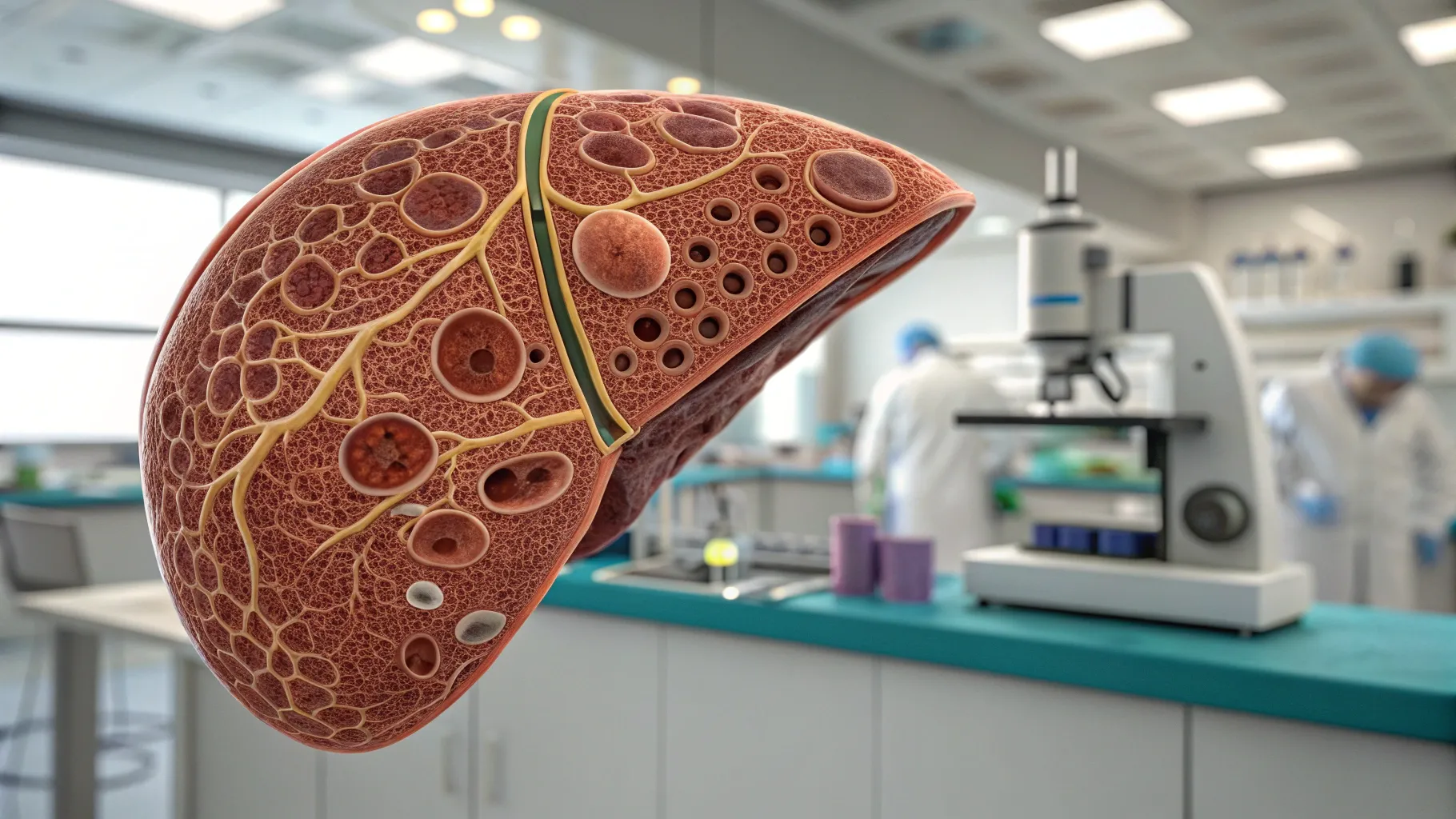
Understanding Liver Cirrhosis 2025: Causes Symptoms and Treatment Options
In 2025, liver cirrhosis remains a critical health issue impacting millions globally. The liver, a vital organ, plays crucial roles in digestion, metabolism, and detoxification. However, when it's damaged and scarring occurs, the result is cirrhosis. This condition can hinder its ability to function properly. In this guide, we'll explore the various causes of liver cirrhosis, highlight the symptoms associated with liver cirrhosis, and discuss current and effective treatment options for liver cirrhosis.
Causes of Liver Cirrhosis
Liver cirrhosis can arise from a multitude of factors, each posing distinct risks to liver health. Among these, **chronic alcohol abuse** stands out as a leading cause. This condition, often termed alcoholic liver disease, can develop from prolonged and excessive alcohol consumption. Recent data from the World Health Organization reveals that around 30% of cirrhosis cases can be traced back to alcohol-related damage, highlighting the need for awareness and preventive measures.
Furthermore, **viral hepatitis** presents another significant risk factor. The hepatitis B and C viruses can induce long-term liver inflammation, potentially escalating to cirrhosis. As of 2025, it's estimated that 300 million individuals worldwide are living with chronic hepatitis infections, making it a pressing public health concern that necessitates urgent attention.
Another prominent cause is **non-alcoholic fatty liver disease (NAFLD)**, which increasingly affects those who are overweight or obese. This condition can lead to fatty deposits in the liver that provoke inflammation and can ultimately progress to cirrhosis. Studies conducted within the last year reveal alarming trends: NAFLD is surging among younger adults, raising the question of how lifestyle choices and dietary habits are affecting liver health today.
- Chronic Alcohol Abuse: Accounts for approximately 30% of cirrhosis cases globally.
- Chronic Viral Hepatitis: Over 300 million people affected worldwide by hepatitis B or C infections.
- Non-Alcoholic Fatty Liver Disease: Rising concerns about prevalence in younger generations.
Other causes can also contribute to liver cirrhosis, including autoimmune hepatitis, where the body’s immune system targets its own liver cells, as well as some genetic disorders and long-term exposure to toxins. Additionally, certain medications, if taken over extended periods, can also result in liver damage. With so many pathways to cirrhosis, proactive monitoring of liver health is essential, especially for individuals with risk factors.
Recognizing the Symptoms of Liver Cirrhosis
Identifying liver cirrhosis in its early stages is crucial for effective management and potential reversal. Initially, the symptoms of liver cirrhosis can be subtle and may mimic less severe health issues. As the disease advances, however, symptoms tend to become more distinct and troubling. Common signs include:
- Fatigue: Persistent tiredness often plagues those with liver cirrhosis, significantly impacting daily life.
- Jaundice: This results in yellowing of the skin and eyes due to the accumulation of bilirubin, a yellow pigment produced during the breakdown of red blood cells.
- Swelling: Many suffer from fluid accumulation in the legs or abdomen (ascites), creating discomfort and mobility issues.
- Itchy Skin: Known as pruritus, this can occur when bile salts deposit in the skin, causing relentless scratching.
- Easy Bruising: Due to the liver's impaired protein production, people with cirrhosis may find they bruise easily or bleed more than usual.
As liver function deteriorates, advanced symptoms, such as hepatic encephalopathy, can arise, leading to confusion, mood swings, and cognitive decline. Being vigilant about these changes and encompassing regular health screenings can facilitate earlier diagnosis, crucial for halting the progression of the disease.
Treatment Approaches for Liver Cirrhosis
Despite the irreversible nature of liver cirrhosis in the later stages, various treatment options can significantly aid in managing the condition. A key initial step involves addressing the underlying cause to prevent further liver deterioration. For patients grappling with cirrhosis stemming from alcohol abuse, immediate cessation of alcohol consumption is critical. Studies published by the American Liver Foundation in late 2024 have verified that individuals who quit drinking can see notable improvements in liver function and overall health outcomes.
For those afflicted with viral hepatitis, antiviral therapies are proving to be effective. New clinical trials and studies indicate that the advent of direct-acting antivirals (DAAs) could potentially cure hepatitis C for many patients, thus halting the progression towards cirrhosis. Adopting healthier lifestyle choices—like maintaining a balanced diet and regular physical activity—is vital for managing conditions such as NAFLD.
Treatments also include medications to alleviate symptoms. Diuretics may help reduce fluid retention, while lactulose can prevent hepatic encephalopathy by reducing toxin buildup in the bloodstream. For individuals experiencing complications due to portal hypertension, beta-blockers may be prescribed to manage elevated blood pressure in the liver. In critical cases where liver function has severely declined, a **liver transplant** may be necessary. It's encouraging to note that advances in surgical techniques and post-operative care have resulted in improved success rates for transplant procedures.
- Alcohol Cessation: Vital for recovery from alcohol-induced cirrhosis.
- Antiviral Medications: Essential for treating viral hepatitis-related cirrhosis.
- Lifestyle Changes: Consistent diet and exercise can greatly assist those with NAFLD.
- Medications: Available to manage symptoms and complications effectively.
- Liver Transplant: A potential life-saving procedure for those at end-stage cirrhosis.
Awareness and education on liver cirrhosis should remain a top priority among healthcare providers and patients alike. Individual experiences may vary, emphasizing the importance of personalized healthcare strategies that address each patient's unique circumstances. In navigating the complexities of liver cirrhosis, a comprehensive approach involving regular health check-ups, early detection of symptoms, and proactive management can make a significant difference in patient outcomes.