Understanding Liver Cirrhosis Causes Symptoms Treatment
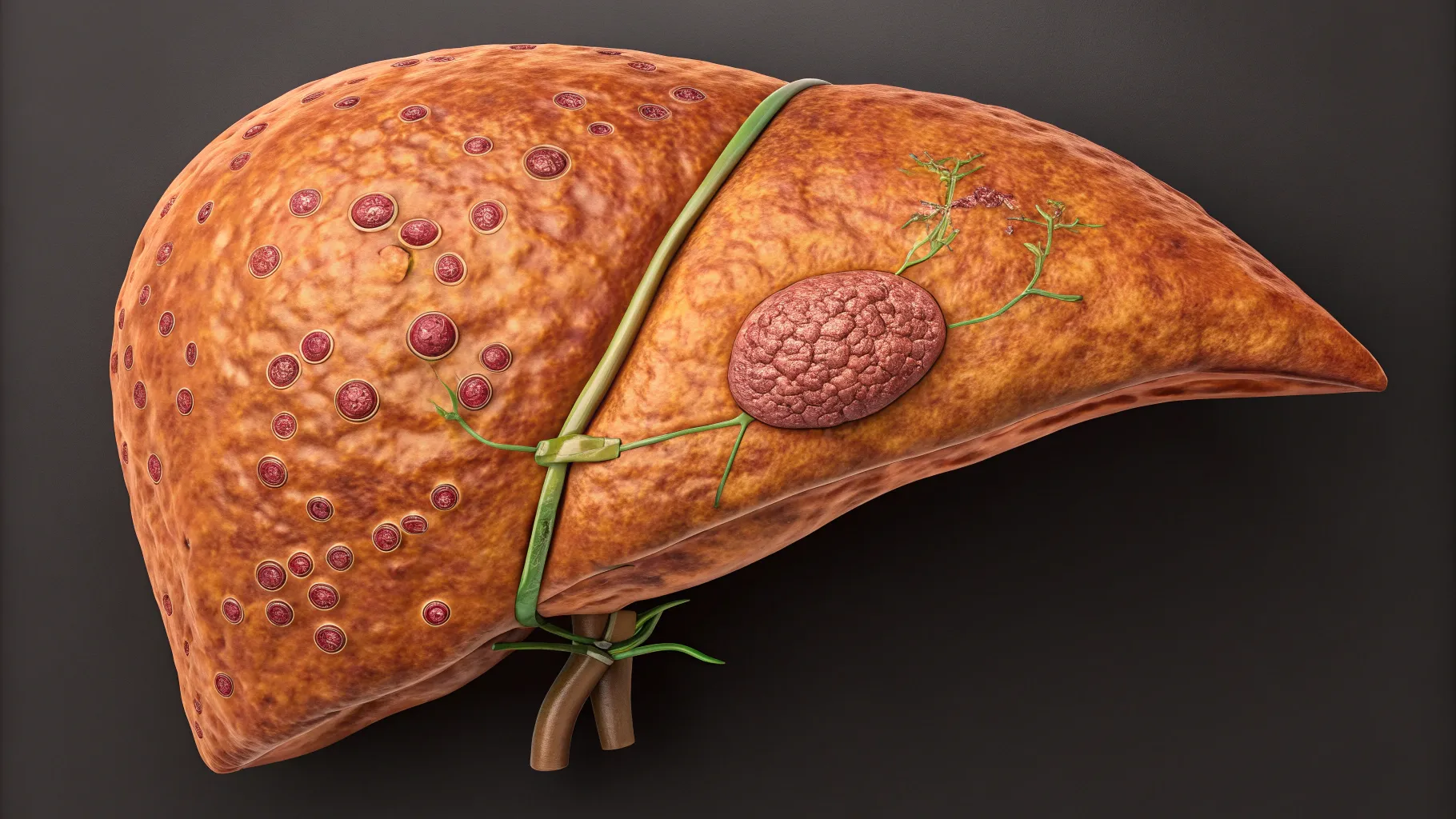
Liver Cirrhosis: Understanding the Silent Threat to Health
In 2025, liver cirrhosis remains silently formidable, sneaking up on individuals just when they least expect it. This chronic liver illness, plaguing millions globally, is a progressive scourge that transforms healthy liver tissue into scar tissue, hindering functions critical to well-being. Although notorious for its furtive debut and slow progression, the implications of cirrhosis ripple through patients' lives and challenge healthcare systems worldwide.
Recognizing the Causes and Risk Factors of Liver Cirrhosis
The causes of liver cirrhosis are as varied as they are interconnected, often linked to lifestyle habits and underlying medical conditions. By understanding these, we can take meaningful steps towards prevention and management:
- Excessive Alcohol Use: Alcohol-related liver cirrhosis commands attention year after year, despite region-specific reductions in consumption. Education and outreach continue to be pivotal in thwarting this preventable cause of cirrhosis as alcohol abuse persists in claiming numerous cases worldwide.
- Viral Hepatitis: Chronic hepatitis B and C remain prime contributors to cirrhosis. With over 250 million people living under their shadow, according to WHO's recent figures, untreated viral hepatitis often escalates into cirrhosis, demanding strategic treatment initiatives.
- Obesity and Metabolic Disorders: The silent surge of non-alcoholic fatty liver disease (NAFLD), driven by an escalating obesity crisis, poses a looming threat. The progression from NAFLD to non-alcoholic steatohepatitis (NASH) and further to cirrhosis underscores the urgency of battling obesity head-on.
- Autoimmune Liver Conditions: Diseases such as primary biliary cholangitis predispose individuals to ongoing liver damage, making vigilant monitoring and innovative therapeutic approaches essential to managing these complex conditions.
Spotting Symptoms: Early Indicators of Liver Cirrhosis
An ounce of prevention is worth a pound of cure, and when it comes to liver cirrhosis, early detection can significantly alter the disease trajectory. Recognizing these early symptoms enables timely intervention:
- Jaundice: A telltale yellowing of the skin and eyes serves as a harbinger of compromised liver function due to bilirubin buildup.
- Fatigue: Persistent, unexplained fatigue can be an early warning difficulty, reflecting reduced liver efficiency and energy imbalance.
- Fluid Accumulation: Swelling in the limbs or abdomen, known as edema or ascites, may point towards compromised liver ability to regulate fluids.
- Increased Bleeding or Bruising: Delays in clotting times, indicated by easy bruising, can arise from reduced production of clotting factors by a failing liver.
- Cognitive Impairments: Cognitive changes, including confusion and memory difficulties termed hepatic encephalopathy, emerge as a result of toxic substances like ammonia building up.
Treatment and Management of Liver Cirrhosis
While cirrhosis is irreversible, managing its progression is achievable through tailored lifestyle changes, medications, and proactive medical intervention.
Adopting Healthy Habits: Lifestyle overhaul is imperative, with alcohol abstinence critical for alcohol-induced cirrhosis cases. Concurrently, for individuals suffering from NAFLD, weight management guided by a balanced diet and regular exercise is non-negotiable. Personalized health regimens focus on these clients’ unique dietary and exercise needs to ensure effective management.
Pharmaceutical Advances: The realm of medicine offers a potent arsenal against cirrhosis, with antiviral therapies for hepatitis showing commendable success. Emerging therapies show promise in curbing symptoms and enhancing life quality, while diuretics mitigate fluid retention and itching-relieving medications like cholestyramine continue development.
Healthcare Surveillance: Routine check-ups bolster preventive care, detecting potential complications early. Vaccinations against hepatitis A and B remain pivotal in minimizing risks of superinfection, cementing regular health assessments as a cornerstone of effective management.
Transplantation Options: For patients enduring advanced liver failure, liver transplantation opens a lifeline. This approach, once a long shot, has benefitted from surgical advancements and post-operative care, offering those eligible a chance at improved life expectancy and quality.
The Call to Action: Shifting the Narrative around Liver Health
Living in 2025, raising awareness about liver health and cirrhosis emerges as a collective challenge, mandating action from individuals and health entities alike. By fostering knowledge on risk factors, encouraging symptom vigilance, and promoting periodic medical evaluations, we champion a healthier society. This proactive dialogue, intertwined with early intervention, strikes at liver cirrhosis from its roots, alleviating the burden on healthcare systems and empowering individuals in the fight for their liver health.