Liver Cirrhosis: Causes, Symptoms and Treatment Explained
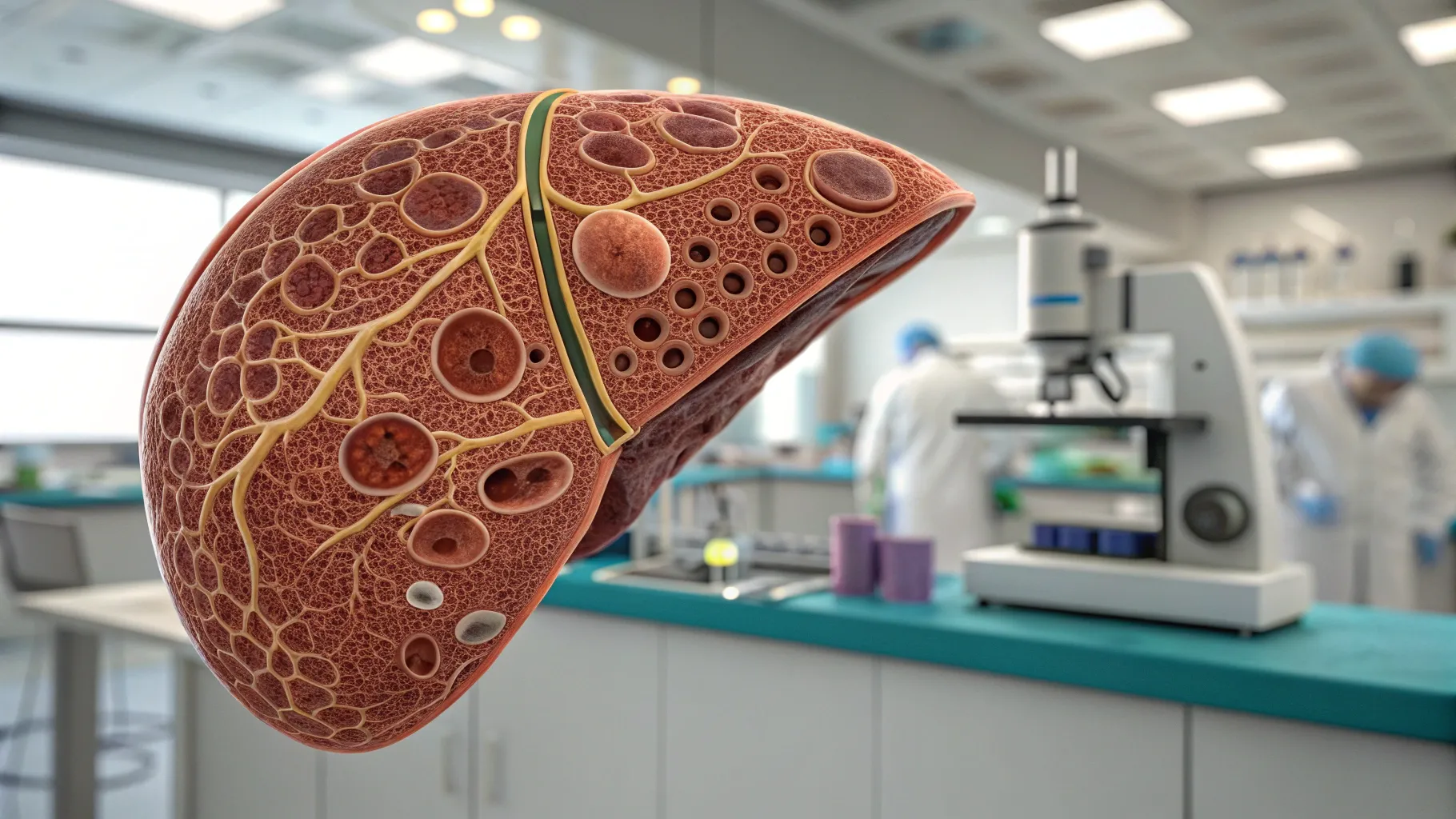
Understanding Liver Cirrhosis Causes Symptoms and Treatments
Liver cirrhosis is a critical health issue affecting millions of people worldwide. It signifies severe scarring of the liver, usually stemming from chronic damage. In 2025, awareness about liver cirrhosis is more important than ever, as it manifests from various liver-related conditions. Knowing the causes, recognizing the symptoms, and understanding available treatments is essential to combat this potentially life-threatening ailment.
Liver Cirrhosis Causes
Understanding the root causes of liver cirrhosis can pave the way toward effective prevention and treatment strategies. Here are the most prevalent factors contributing to this condition:
- Chronic Alcohol Abuse: One of the primary culprits behind liver damage, excessive alcohol consumption plays a significant role in the progression to cirrhosis. Research indicates that men consuming over 14 drinks weekly and women exceeding 7 drinks are at a heightened risk.
- Chronic Viral Hepatitis: Hepatitis B and C infections are major risk factors linked to liver cirrhosis. In the U.S., over 2 million individuals are living with chronic hepatitis C, which can lead to severe liver damage if left untreated.
- Non-alcoholic Fatty Liver Disease (NAFLD): This increasingly common condition, associated with obesity, sees approximately 25% of the U.S. population affected, leading to complications such as cirrhosis.
- Autoimmune Hepatitis: In this scenario, the immune system mistakenly attacks liver cells, resulting in long-term inflammation and damage that can lead to cirrhosis.
- Genetic Disorders: Certain inherited conditions, such as hemochromatosis (iron overload) and Wilson's disease (copper accumulation), are significant risk factors for liver cirrhosis, prompting abnormal deposits in liver tissue.
Signs of Liver Cirrhosis
Recognizing the signs of liver cirrhosis is crucial, as many individuals may not exhibit symptoms until the disease has significantly progressed. Here are some of the most common symptoms:
- Fatigue: An overwhelming sense of tiredness, even without significant exertion, is a hallmark symptom that many patients report.
- Jaundice: A yellowing of the skin and eyes occurs when the liver cannot adequately process bilirubin, leading to its buildup in the bloodstream.
- Swelling: Patients often experience fluid retention, known as ascites, resulting in noticeable abdominal swelling or swelling in the legs.
- Bruising and Bleeding: Due to the liver’s diminished ability to produce clotting factors, increased susceptibility to bruising and excessive bleeding can occur.
- Itchy Skin: This common complaint among liver cirrhosis patients often stems from the buildup of bile salts in the bloodstream.
Current studies show that up to 60% of cirrhosis patients may list fatigue as their primary concern, significantly impacting their quality of life and productivity. This emphasizes the importance of early diagnosis and prompt management.
Liver Cirrhosis Treatment Options
Treatment for liver cirrhosis aims to manage the underlying cause effectively to halt disease progression and alleviate symptoms. Here are the primary treatment options available at present:
- Medications: Depending on the underlying cause, antiviral drugs for hepatitis, corticosteroids for autoimmune liver diseases, and other symptom-managing medications are crucial in treatment regimens.
- Lifestyle Modifications: A healthy lifestyle is critical. This includes dietary changes, such as a low-sodium diet to reduce swelling and the complete elimination of alcohol to prevent further liver damage.
- Liver Transplant: In advanced cases, liver transplantation becomes a viable option. In 2025, more than 8,000 liver transplants are performed each year in the U.S., reflecting the urgent need for this procedure in severe cases of liver disease.
- Regular Monitoring: Ongoing evaluations and imaging tests are vital for monitoring liver function and preventing complications. With technological advances, tools like FibroScan offer non-invasive methods to assess liver stiffness, providing insights into fibrosis severity.
According to the World Health Organization, liver diseases, including cirrhosis, contribute to more than 2 million fatalities worldwide each year. These alarming figures further highlight the urgency of early detection and proactive interventions.
Current Trends and Research in Liver Cirrhosis
The landscape of liver cirrhosis treatment is continually evolving as we explore new research avenues in 2025. Here’s an overview of current trends:
- Gene Therapy: Cutting-edge research is focused on gene therapy approaches aimed at correcting genetic anomalies linked to liver disease.
- New Antivirals: There is a robust development of novel antiviral drugs targeting hepatitis B and C, striving for enhanced cure rates and engagement with patients.
- Artificial Intelligence: AI technologies are increasingly utilized to predict disease progression and tailor treatment plans based on specific patient characteristics, thus increasing the chances of successful outcomes.
As our understanding of liver cirrhosis improves, it brings hope for innovative treatments and enhanced management strategies. Being informed about liver health and staying proactive in healthcare conversations is essential. The earlier liver cirrhosis is diagnosed, the better the prognosis for patients, leading to improved management and quality of life.
In a society that continues to evolve in terms of healthcare technologies and awareness, individuals are urged to prioritize their liver health, engage actively with healthcare providers, and advocate for effective treatments. Understanding this complex disease can empower those affected, equipping them with the knowledge needed to seek timely medical assistance and improve their overall quality of life.
As we navigate the challenges presented by liver cirrhosis, fostering awareness and education remains vital. The ability to recognize causes, symptoms, and treatment options is a crucial step in combating this serious health condition. By doing so, we contribute to saving lives and enhancing the well-being of countless individuals affected by liver cirrhosis.