Liver Cirrhosis: Causes, Symptoms, and Treatment Explained
Facts:
- Liver cirrhosis is a late stage of scarring (fibrosis) of the liver.
- Early diagnosis significantly improves outcomes for patients with liver cirrhosis.
Understanding the Progression of Advanced Liver Disease
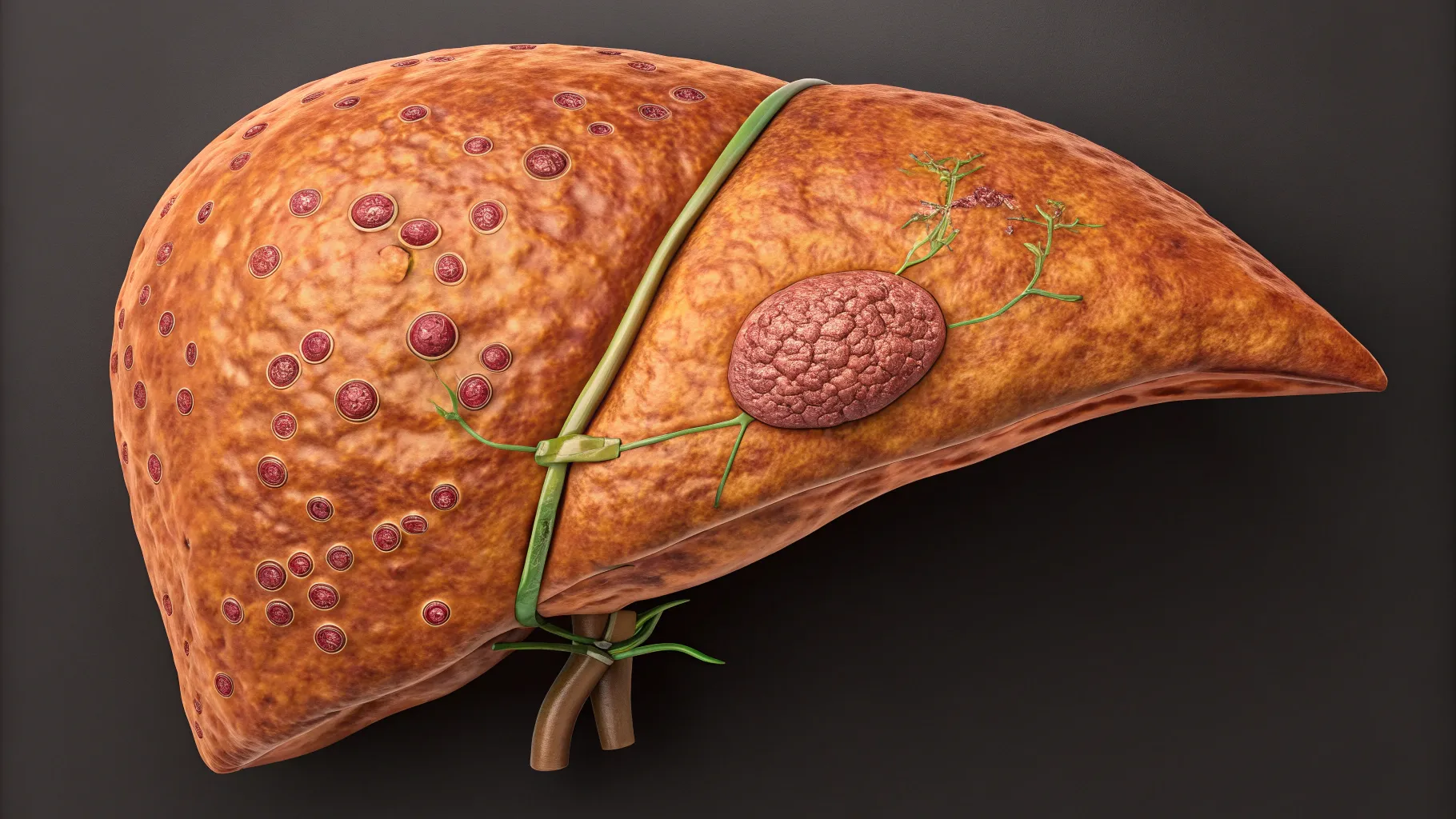
Liver cirrhosis is a serious condition characterized by irreversible scarring of the liver tissue, which severely impairs its function. This scarring, known as fibrosis, develops over many years as a response to continuous, long-term damage. As scar tissue replaces healthy cells, the liver's ability to process nutrients, hormones, drugs, and natural toxins is compromised. Understanding the liver cirrhosis causes and recognizing the early signs of liver cirrhosis are crucial steps in managing the disease and preventing further complications. This condition is not an isolated event but the culmination of various chronic liver diseases, and its management focuses on slowing the progression of scarring and addressing symptoms and complications.
Primary Liver Cirrhosis Causes and Risk Factors
A variety of diseases and conditions can damage the liver and lead to liver cirrhosis. Identifying the underlying cause is fundamental to establishing an effective liver cirrhosis treatment plan. The most common liver cirrhosis causes include chronic viral infections such as hepatitis B and C, and chronic alcohol abuse, which leads to alcoholic liver disease. Another increasingly prevalent cause is nonalcoholic fatty liver disease (NAFLD), often associated with obesity, diabetes, and high cholesterol. Other less common causes include autoimmune hepatitis, where the body's immune system attacks liver cells; genetic diseases like Wilson's disease and hemochromatosis, which cause abnormal mineral buildup; and diseases that damage or block the bile ducts, such as primary biliary cholangitis. Prolonged exposure to certain toxins or drugs can also contribute to the development of this severe liver condition.
Recognizing the Common Signs of Liver Cirrhosis
In the early stages, liver cirrhosis may not present any noticeable symptoms. However, as the liver damage progresses, various signs of liver cirrhosis become apparent. These liver cirrhosis symptoms can be quite debilitating and signal significant liver dysfunction. Common signs include persistent fatigue, weakness, loss of appetite, and unexplained weight loss. As the condition worsens, patients may experience jaundice (yellowing of the skin and eyes), ascites (fluid accumulation in the abdomen), and edema (swelling in the legs, ankles, and feet). Other serious liver cirrhosis symptoms include easy bruising or bleeding due to reduced production of clotting proteins, itchy skin (pruritus), and hepatic encephalopathy, which manifests as confusion, drowsiness, and slurred speech due to the buildup of toxins in the brain. Recognizing these symptoms early is critical for seeking timely medical intervention.
Modern Approaches to Liver Cirrhosis Treatment
While there is no cure for liver cirrhosis itself, treatment aims to manage symptoms, slow the progression of scar tissue, and prevent or treat complications. The specific liver cirrhosis treatment depends heavily on the underlying cause and the extent of the liver damage. For example, if the cause is alcohol abuse, complete cessation of alcohol is essential. For cirrhosis caused by viral hepatitis, antiviral medications are prescribed. For nonalcoholic fatty liver disease, lifestyle changes such as weight loss, a healthy diet, and exercise are the cornerstone of management. Doctors may also prescribe medications to control liver cirrhosis symptoms, such as diuretics to reduce fluid buildup and medications to manage blood pressure in the veins supplying the liver (portal hypertension). In cases of advanced liver cirrhosis where the liver has failed, a liver transplant may be the only viable option.
Lifestyle Modifications to Manage Liver Cirrhosis
Adopting specific lifestyle changes is a critical component of managing liver cirrhosis and improving quality of life. These adjustments can help reduce the strain on the liver and slow the progression of the disease. It is crucial to work with a healthcare provider to create a personalized plan. Here are some key recommendations:
- Adopt a Low-Sodium Diet: Reducing salt intake is essential to help control fluid retention (ascites and edema), a common complication. This means avoiding processed foods, canned soups, and adding extra salt to meals.
- Maintain a Healthy Diet: A balanced diet rich in nutrients is vital. A healthcare professional or dietitian can help design a meal plan that provides adequate protein without overburdening the liver. Small, frequent meals may be easier to digest.
- Abstain from Alcohol: For anyone with liver cirrhosis, it is imperative to stop drinking alcohol completely. Alcohol is toxic to liver cells and will accelerate the progression of liver damage, regardless of the initial cause.
- Avoid Certain Medications: Many over-the-counter and prescription medications are processed by the liver. It's crucial to consult a doctor before taking any new drug, including supplements and herbal remedies, to avoid further liver damage.
Frequently Asked Questions
What are the earliest signs of liver cirrhosis?
The earliest signs of liver cirrhosis are often subtle and non-specific, including fatigue, nausea, loss of appetite, or a general feeling of being unwell. Because these symptoms can be attributed to many other conditions, early-stage liver cirrhosis is often diagnosed during medical tests for other issues.
Can liver cirrhosis be reversed?
In general, the scarring from liver cirrhosis is considered irreversible. However, if the underlying cause is identified and treated early, further damage can be halted, and in some cases, the liver's function can improve. The focus of liver cirrhosis treatment is to prevent the condition from worsening.
What are the main liver cirrhosis causes to be aware of?
The most significant liver cirrhosis causes are chronic alcohol abuse, chronic viral hepatitis (B and C), and nonalcoholic fatty liver disease (NAFLD). These conditions cause long-term inflammation and damage that lead to scarring. Other causes include genetic disorders and autoimmune diseases.
How is liver cirrhosis diagnosed?
Diagnosing liver cirrhosis typically involves a combination of blood tests to check liver function, imaging tests like ultrasound or MRI to visualize the liver's structure, and sometimes a liver biopsy, where a small tissue sample is taken and examined for scarring and damage.
References
- National Institute of Diabetes and Digestive and Kidney Diseases (NIDDK)
- American Liver Foundation
- Mayo Clinic Patient Care & Health Information
- World Health Organization (WHO) Reports on Liver Disease