Understand Early Signs and Causes of Liver Cirrhosis
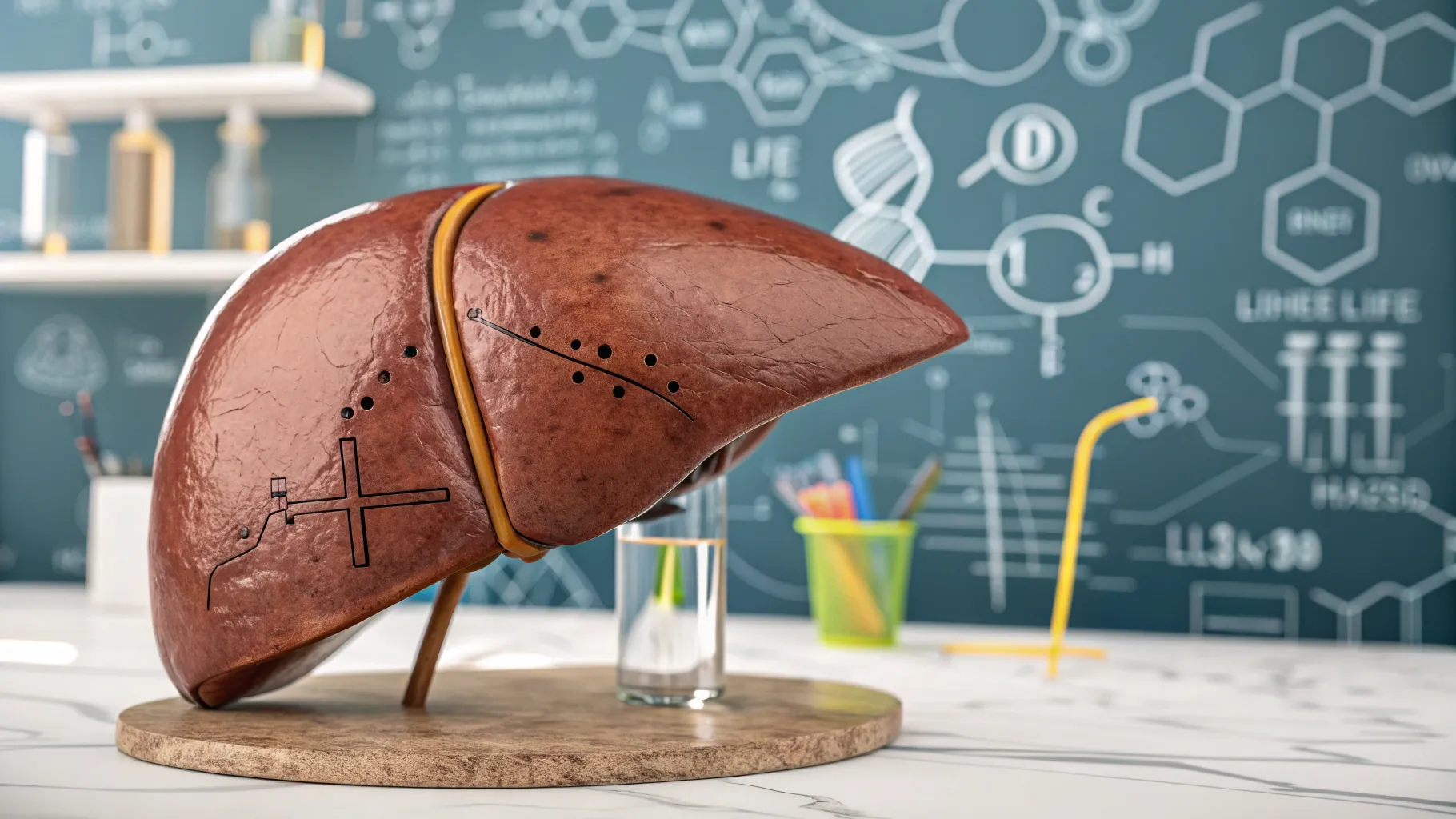
Understanding Early Signs of Liver Cirrhosis
Liver cirrhosis, a severe condition resulting from long-term liver damage, is a silent but significant health threat that many overlook in their day-to-day lives. As we delve into the early signs, it’s essential to recognize them, as early intervention can lead to better outcomes. Symptoms often manifest subtly at first; thus, they can be dismissed or attributed to other causes. Common early signs of liver cirrhosis include:
- Fatigue: This is often one of the first noticeable signs. The liver's ability to filter toxins diminishes, leading to increased fatigue.
- Itchy skin: Elevated levels of bile acids in the bloodstream may cause itching without any visible rash.
- Loss of appetite: A decrease in the desire to eat can result from the liver's failure to produce adequate bile to digest fats.
- Nausea: As the liver struggles to function, nausea can occur, often leading to vomiting.
- Swelling: Patients may notice swelling in the legs or abdomen, caused by fluid retention (edema).
Recognizing these symptoms is crucial for timely diagnosis and treatment. If you or someone you know experiences these early signs, consulting a healthcare professional is advisable.
Causes and Risk Factors of Cirrhosis Explained
Cirrhosis can stem from various causes, each contributing to the progressive damage of liver cells. Understanding these factors gives insight into who might be at risk:
- Chronic Alcohol Abuse: This is one of the most common causes, leading to alcohol-related liver disease. Over 15% of adults who consume alcohol may be at risk for cirrhosis.
- Hepatitis B and C: Both infections are significant contributors to liver inflammation that can cause cirrhosis. Globally, around 325 million people live with hepatitis B, while 71 million are affected by hepatitis C.
- Nonalcoholic Fatty Liver Disease (NAFLD): This condition, associated with obesity and diabetes, affects up to 25% of the world's population as lifestyles become increasingly sedentary.
- Autoimmune Diseases: Conditions like autoimmune hepatitis can lead to liver inflammation and damage over time.
- Genetic Disorders: Certain inherited disorders, such as Wilson's disease, can also result in liver damage, affecting individuals of all ages.
Awareness of these risk factors is vital. Individuals with one or more risk factors should engage in regular health screenings to monitor liver health over time.
Understanding How Cirrhosis Affects Liver Function
The human liver performs numerous vital functions, including detoxification, protein synthesis, and the production of biochemicals necessary for digestion. When cirrhosis develops, the liver becomes scarred, which compromises its functionality. This is often referred to as 'compensated' cirrhosis initially because the liver manages to function adequately despite significant damage. However, as the disease progresses to 'decompensated' cirrhosis, symptoms and complications become evident.
With liver function deteriorating, several organ systems can become destabilized. The liver's inability to detoxify blood results in:
- Jaundice: Yellowing of the skin and eyes occurs due to accumulated bilirubin, a substance produced from the breakdown of red blood cells.
- Ascites: This severe form of fluid retention leads to abdominal swelling, significantly affecting the patient's quality of life.
- Encephalopathy: Toxins build up in the brain, causing confusion, forgetfulness, and in severe cases, coma.
These symptoms are indicators that the liver is struggling to perform its critical functions. Such changes necessitate immediate medical evaluation and intervention.
Symptoms and Complications of Liver Damage
Cirrhosis doesn't only affect the liver; it can lead to various systemic complications that require comprehensive management. Patients facing liver cirrhosis might experience:
- Variceal bleeding: Enlarged veins (varices) in the esophagus or stomach can rupture, leading to life-threatening hemorrhages.
- Liver cancer: Individuals with cirrhosis have a significantly increased risk of developing hepatocellular carcinoma (HCC), a common type of liver cancer.
- Kidney failure: The link between liver and kidney function is tight; deteriorating liver health can lead to hepatorenal syndrome.
- Infections: Increased vulnerability to infections, notably spontaneous bacterial peritonitis due to fluid buildup.
Managing these symptoms involves a proactive approach, including regular monitoring and lifestyle modifications. Education is crucial for both patients and families to understand these potential complications.
Ways to Prevent and Manage Liver Cirrhosis Safely
Fortunately, many cases of liver cirrhosis are preventable. Managing lifestyle choices plays a pivotal role in maintaining liver health. Here are essential strategies:
- Limit alcohol consumption: Keeping alcohol intake within recommended guidelines is crucial. For all individuals, this means no more than two drinks a day for men and one for women.
- Healthy diet: Incorporating a balanced diet rich in fruits, vegetables, and whole grains can support overall liver health.
- Regular exercise: Engaging in physical activities reduces body fat and helps avert conditions that predispose individuals to liver disease, such as obesity.
- Vaccinations: Staying updated with vaccinations, particularly against hepatitis A and B, reduces risks of liver infections.
- Regular health check-ups: Regular visits to a healthcare provider help in early detection and management of liver-related issues.
Implementing these measures can significantly decrease the risk of developing cirrhosis. For those already diagnosed, working closely with healthcare providers ensures a structured approach to manage the condition effectively.