Lifestyle Factors Affecting Sciatica Pain and Symptoms
Recognizing the Lifestyle Factors Affecting Sciatica Symptoms
Sciatica is an affliction bothering millions today, marked by debilitating pain that extends from the lower back down through the legs. As 2025 continues, more individuals are becoming aware of the impact that their daily habits and lifestyle choices have on their health. This growing understanding emphasizes the importance of analyzing how these habits relate to sciatica pain. Recent studies reveal a clear link between various lifestyle factors and the severity of sciatica symptoms, underscoring the necessity of addressing these elements for effective long-term relief.
Key Habits That Influence Sciatica Pain
It's crucial to acknowledge that many common daily habits can aggravate sciatica symptoms, leading to increased discomfort and reduced mobility. One of the most significant influences is posture. Whether we are sitting, standing, or sleeping, maintaining proper posture is essential to avoid placing excessive pressure on the sciatic nerve. For example, slouching in a chair during extended periods of remote work has become a troubling trend. A recent survey conducted by the American Chiropractic Association found that a shocking 76% of individuals suffering from chronic back pain reported deteriorating posture while working from home. This is an alarming trend that begs immediate attention.
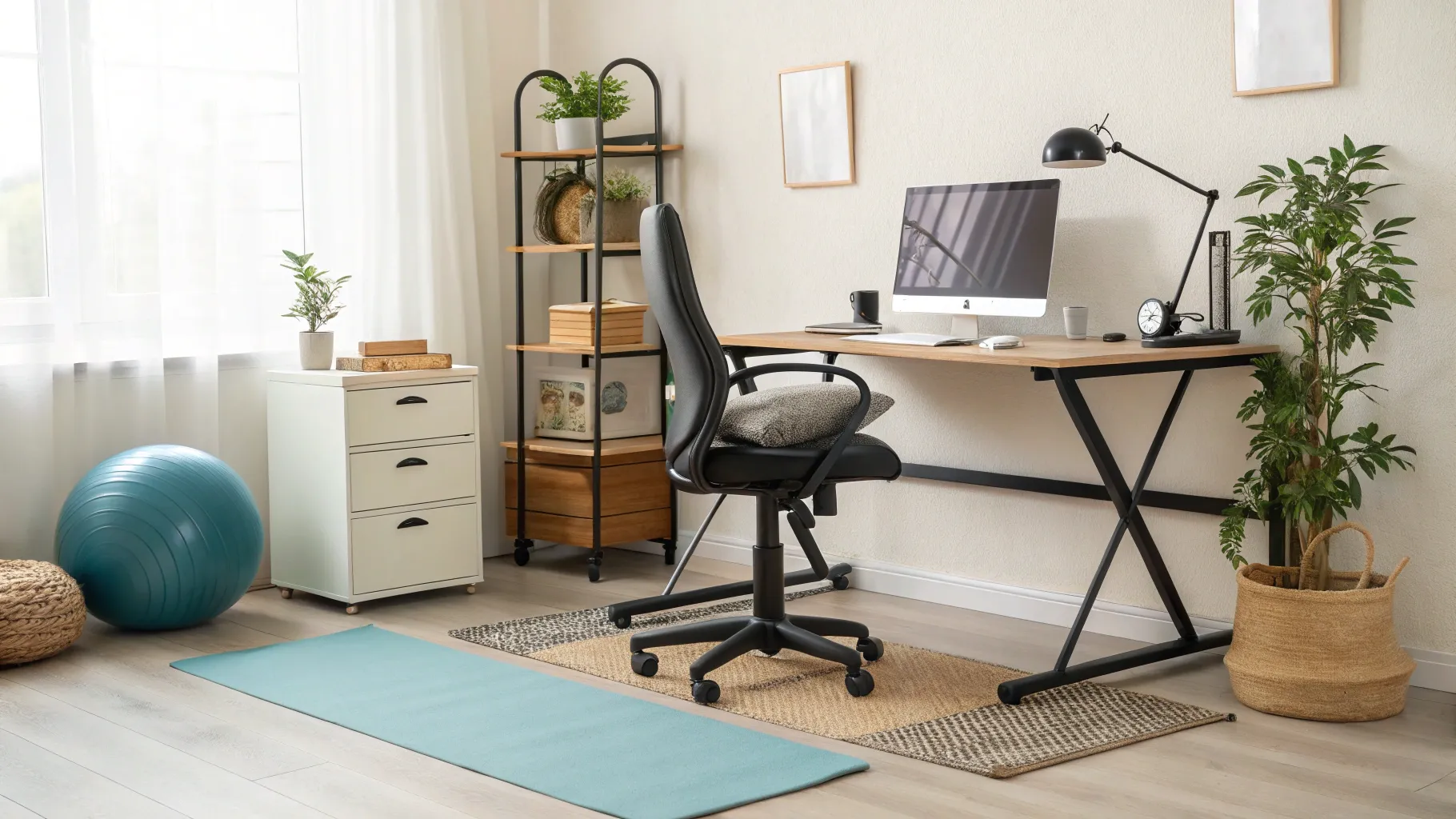
To combat the challenges posed by poor posture, implementing ergonomic furniture can make a significant difference. By using adjustable chairs and desks, individuals can alleviate some of the strain on their backs, ultimately reducing sciatica symptoms.
Lifestyle Choices Related to Sciatica
- Lack of Exercise: The modern world often leads to physical inactivity, leading to weakness and tightness in back and leg muscles, which can intensify sciatica symptoms. Experts recommend engaging in regular physical activity. Incorporating exercises centered around stretching and strengthening can help mitigate the negative impacts of a sedentary lifestyle.
- Excess Weight: Carrying extra weight adds strain on the spine and increases the likelihood of developing herniated discs—often a precursor to sciatica. According to a report released in early 2025, cases of sciatica were observed to increase by 25% among individuals classified as obese.
- Tobacco Use: Smoking has been consistently linked to deteriorating blood flow to spinal tissues, resulting in degeneration and pain. Data indicates that sciatica patients who smoke experience more severe symptoms compared to non-smokers, which places smoking cessation at the forefront of effective pain management strategies.
- Chronic Stress: High stress levels can lead to muscle tension, further amplifying pain signals. Many healthcare providers advocate for mindfulness practices and stress management techniques, emphasizing the positive effects they can have on overall wellbeing and pain reduction.
Daily Practices That Aggravate Sciatica
Beyond overarching lifestyle habits, several daily routines can directly worsen sciatica symptoms. Improper lifting techniques are especially notorious for exacerbating pain. Unfortunately, as many people rely on incorrect methods to lift heavy objects, they inadvertently place unnecessary strain on their lower backs. To lift safely, it’s crucial to bend at the knees and keep the load close to the body, a core principle that physical therapists advocate for.
Equally problematic is the tendency to sit for prolonged periods. Recent research reveals that individuals who sit for more than six hours a day may face a staggering 40% increase in the severity of their sciatica symptoms. For those engaged in desk jobs, it is vital to take regular breaks and introduce intermittent standing or walking to counteract these detrimental effects.
The Connection Between Posture and Sciatica Pain
Posture stands as a fundamental aspect of managing and alleviating sciatica symptoms. Whether standing, sitting, or lying down, maintaining optimal posture can significantly relieve pressure on the sciatic nerve. For optimal sitting posture, individuals should ensure that their feet rest flat on the floor, knees sit at or below hip level, and shoulders remain relaxed. Moreover, incorporating lumbar support can provide relief for those experiencing discomfort during sitting.
Real-life experiences shared by physical therapists indicate that clients who actively practiced proper posture reported a 30% reduction in the severity of their sciatica symptoms within a few weeks. By emphasizing holistic approaches to posture maintenance, individuals not only improve comfort but also enhance their overall physical health.
Activities Best Avoided with Sciatica
Certain activities are notorious for exacerbating sciatica discomfort. For instance, high-impact exercises, such as running and jumping, can impose undue stress on the spine. Whether one is an avid fitness enthusiast or a casual gym-goer, it is important to consider low-impact alternatives. Swimming and cycling serve as excellent substitutes for maintaining fitness without exerting excessive force on the spine.
Additionally, activities involving repetitive movements—particularly bending and twisting—like gardening or certain sports, are likely to irritate the sciatic nerve. Individuals suffering from sciatica should approach these activities with caution, taking breaks often and modifying movements to prioritize comfort. Using garden kneelers, for example, can help reduce lower back pressure while engaging in outdoor tasks.
As we navigate through 2025, the dialogue surrounding sciatica and its lifestyle correlations remains vital for enhancing quality of life. By understanding key habits and activities associated with sciatica symptoms, individuals can cultivate healthier lifestyles that not only alleviate pain but also promote overall well-being. From improving posture and engaging in regular physical activity to practicing stress management techniques, the pathway to effectively managing sciatica is achievable for those dedicated to adopting positive lifestyle changes.