Life Expectancy After Aortic Valve Replacement Surgery
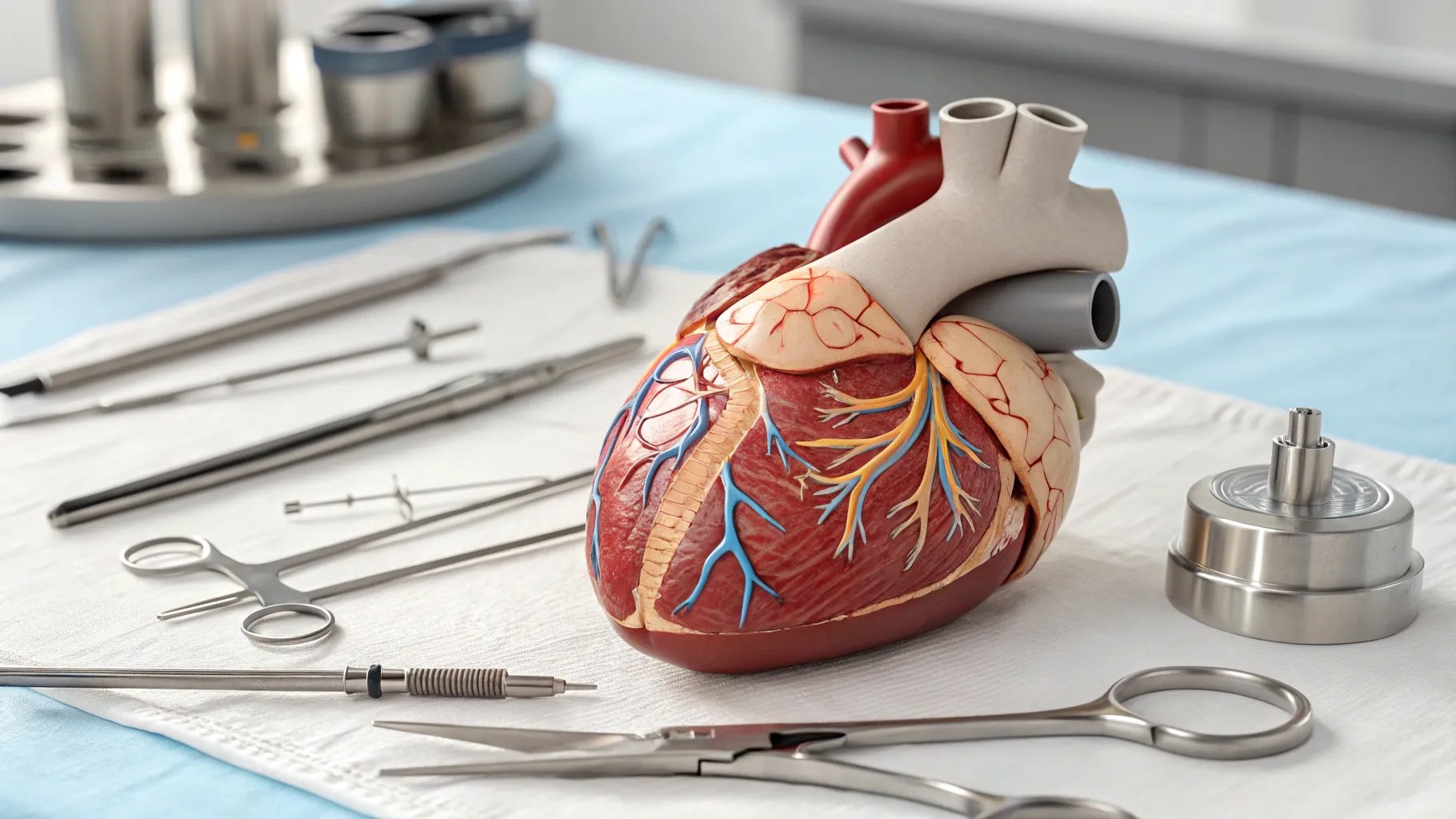
Understanding Life Expectancy After Aortic Valve Replacement
Aortic valve replacement (AVR) surgery is a common procedure that significantly enhances the quality of life for patients suffering from aortic stenosis. With advancements in surgical techniques and postoperative care, many individuals now have an extended life expectancy post-surgery, often with a better quality of life. This article explores the intricacies of life expectancy after aortic valve replacement, including recovery outcomes and how this procedure supports overall heart function.
Aortic Valve Replacement Recovery and Outcomes
The recovery journey after an aortic valve replacement starts right after the surgery. Typically, patients can expect to spend about 5 to 10 days in the hospital for monitoring and initial recovery. Once at home, the healing process will continue for several weeks. During this time, patients are encouraged to participate in light physical activities and gradually increase their daily routines under medical supervision.
Recent studies indicate that approximately 90% of patients regain their normal lifestyle and activity levels within 6 months after surgery. A report from early 2025 highlights that most patients achieve significant relief from symptoms such as shortness of breath and fatigue, which were prevalent before the surgery. This positive outcome not only improves individual well-being but also enhances overall heart function, allowing the heart to pump more efficiently.
Complications can occur, as with any surgical procedure, but the overall success rate for aortic valve replacements remains high. Current statistics show that mortality rates have decreased to around 2-3% among patients undergoing elective surgery, thanks to improved preoperative assessments and advances in surgical techniques. For patients classified as high-risk before surgery, specialized approaches have led to promising results, adding years to their survival post-operation.
How Aortic Valve Replacement Supports Heart Function
Understanding how AVR supports heart function is crucial for patients and their families. The aortic valve plays a vital role in regulating blood flow from the heart to the aorta and onward to the rest of the body. When this valve narrows (a condition known as aortic stenosis), the heart has to work much harder to push blood through, leading to heart enlargement, increased blood pressure, and ultimately heart failure.
After an AVR, the new valve allows blood to flow freely, relieving the heart from the added strain. A study published in early 2025 reported that patients who underwent AVR not only experienced improved survival rates but also showed marked improvements in heart function as measured by echocardiography. Specifically, left ventricular function, which is crucial for overall heart efficiency, often returns to normal within a year post-surgery.
- Enhanced Blood Flow: Patients report clearer blood circulation and decreased symptoms like fatigue and weakness.
- Improved Quality of Life: Most patients experience a significant improvement in their daily activities and overall health.
- Long-Term Heart Health: The risk of heart-related complications decreases substantially post-recovery.
Average Life Expectancy After Aortic Valve Replacement
The average life expectancy following aortic valve replacement varies based on several factors, including the patient's overall health, age, and the presence of other comorbidities. Current data from 2025 suggests that the average life expectancy post-AVR is between 10 to 15 years, with some patients living much longer, especially those who actively engage in heart-healthy behaviors.
For example, a 70-year-old patient in good health may expect to live an additional 10 to 12 years after surgery, while younger patients may enjoy even longer lifespans. Furthermore, ongoing research indicates that patients who follow prescribed medications and lifestyle changes can experience life expectancies nearing those of individuals without heart disease.
It’s essential to recognize that the improved outcomes are not solely due to the surgery itself but also stem from patients’ adherence to a heart-healthy lifestyle, which includes regular exercise, a balanced diet, and routine check-ups. Engaging in these practices can further increase the likelihood of more extended life expectancy.
Aortic Valve Replacement Surgery Success Rates
The success rate of aortic valve replacement surgery has seen remarkable improvement in recent years. With less invasive techniques such as transcatheter aortic valve replacement (TAVR) becoming more prevalent, many patients who would previously have been deemed too high risk are now viable candidates for this life-saving procedure.
A 2025 review of patient outcomes from TAVR procedures revealed that the one-year survival rate stands at approximately 95% for appropriately selected patients. This figure underscores the effectiveness of the procedure, even among older populations with multiple health issues. In addition to survival rates, patient satisfaction scores after AVR are also notably high, reflecting the minimal pain and shorter recovery times associated with modern techniques.
As surgical technology progresses, it is likely that these success rates will only improve, offering hope to more individuals with heart valve disease. Regular follow-up care is also critical in maintaining valve function and managing any potential complications.
In summary, life expectancy after aortic valve replacement is influenced by various factors, but patients can expect a significant improvement in their health and longevity after undergoing this procedure. With a high success rate and positive recovery outcomes, patients diagnosed with aortic stenosis can take comfort from the advancements in AVR treatment and the supportive lifestyle changes that can lead to a long, fulfilling life.