Why Certain Garden Plants Should Be Avoided in 2025
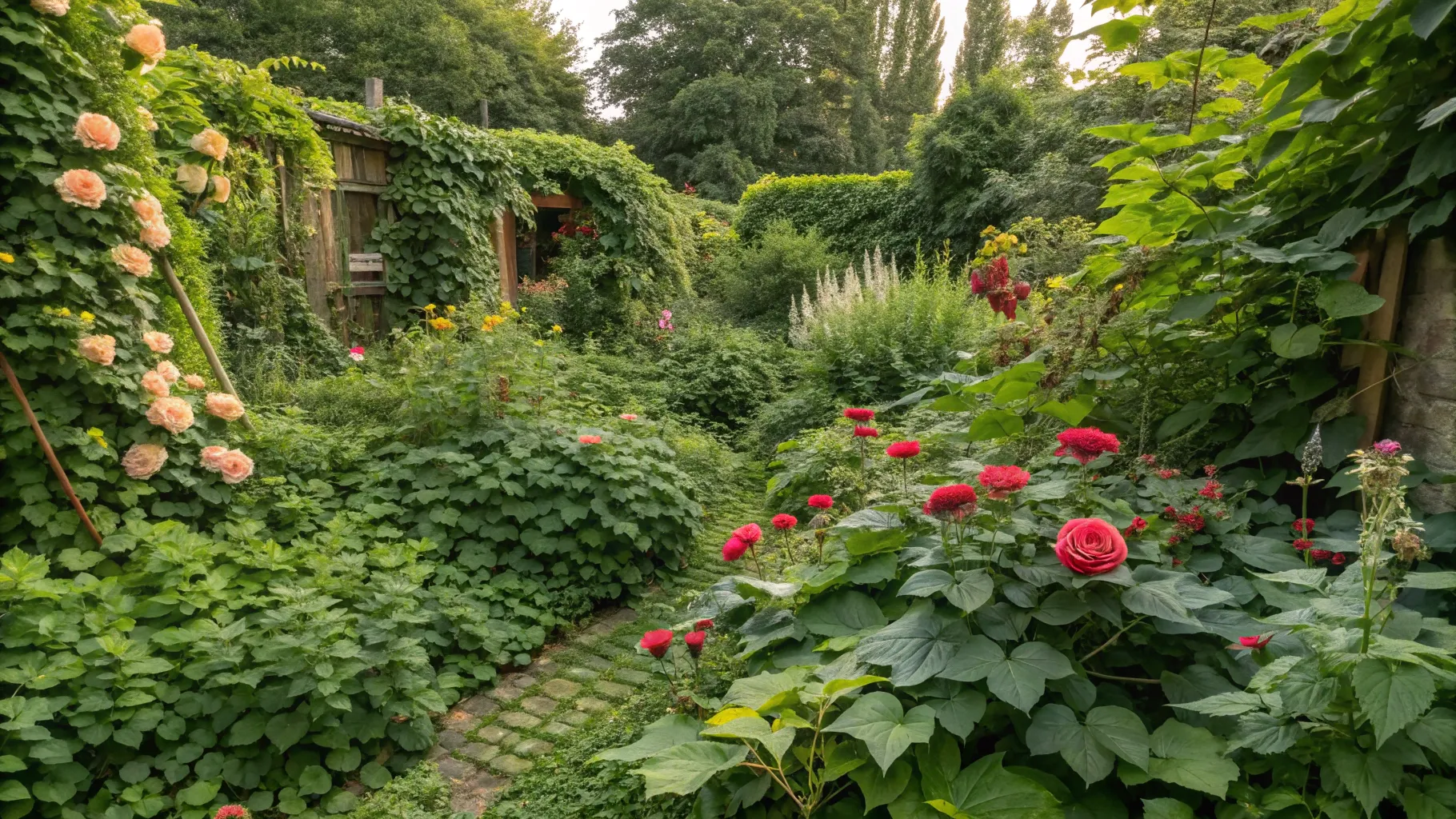
Understanding Which Garden Plants to Avoid in 2025
When planning a garden, many people are drawn to vibrant colors and lush foliage. However, not all plants contribute positively to a thriving home garden. Some species can create challenges that hinder growth and require extensive maintenance. As gardening continues to gain popularity in 2025, understanding which plants to avoid is essential for a successful garden. This guide highlights invasive species, difficult-to-manage varieties, and common problem plants that may negatively impact your outdoor space.
Invasive Garden Plant List
Invasive species are notorious for taking over garden spaces, competing fiercely with native plants. They can disrupt local ecosystems and even damage structures. Here’s a closer look at some of the worst offenders in the gardening world:
- Japanese Knotweed: This plant is infamous for its rapid growth and tough nature, forming dense, impenetrable thickets. It can grow through concrete and even damage your home’s foundation. Controlling Japanese knotweed is often complex and may require professional help, making it highly undesirable in gardens.
- English Ivy: Many people appreciate English Ivy for its decorative appeal, but this climbing plant can envelop trees, leading to a decrease in biodiversity. Once it establishes itself, it becomes a real challenge to eradicate without intense effort.
- Bamboo: While certain varieties of bamboo can offer striking aesthetics, they can also grow aggressively through underground rhizomes. Containment is key; without proper barriers, bamboo can invade neighboring gardens at an alarming rate.
- Mint: A favorite among culinary enthusiasts, mint can quickly spread like wildfire if not planted in controlled environments. Its vigorous growth often outcompetes other plants for nutrients and space, turning your garden into a mint jungle.
Hard to Maintain Plants
Some plants, although attractive, require an inordinate amount of care, leading to disappointment for many gardeners. These varieties can be high maintenance, often requiring more attention than most casual gardeners can provide:
- Gardenias: Adored for their sweet fragrance and beautiful blooms, gardenias demand specific growing conditions. They thrive in acidic soil and high humidity, which can be a challenge to maintain, particularly in drier climates. Failing to meet their needs can lead to poor growth and decreased blooms.
- Delphiniums: Renowned for their stunning blue flowers, delphiniums also come with a set of requirements that can be hard to meet. They need well-drained soil, generous feeding, and protection from harsh winds. Their beauty may not be worth the effort for busy gardeners.
- Hydrangeas: While they offer magnificent blooms, hydrangeas have particular light and watering needs that vary widely among different species. Adjusting the soil pH to change flower colors adds another layer of complexity to their care.
- Ornamental Grasses: Many people appreciate ornamental grasses for their architectural beauty, but these plants can spread if not managed effectively. Regular trimming is essential to keep these plants in check and prevent invasion into other garden areas.
Common Problem Plants Outdoors
In addition to invasive and hard-to-maintain plants, many common garden plants can lead to various gardening headaches due to pest infestations, diseases, or the need for excessive care. Here are some common plants that gardeners frequently struggle with:
- Tomatoes: A summer staple for many, tomatoes are often beset by issues such as blight, blossom end rot, and insect invasions from aphids and whiteflies. Regular monitoring, strategic planting, and a commitment to care are crucial for growing healthy tomatoes.
- Squash: Squash plants also come with their fair share of challenges. They are highly attractive to pests, such as squash bugs and vine borers, which can devastate your crop. Giving squash plants ample space and inspecting them regularly can help reduce these problems.
- Roses: While beautiful, roses can be anything but easy to care for. Their upkeep often includes regular pruning, deadheading, and vigilant care to prevent diseases like powdery mildew and black spot. Many gardeners quickly find that roses demand significant time and resources.
- Petunias: Petunias are a popular annual flower, but they can develop fungal issues, particularly in humid conditions. Regular deadheading to promote continuous blooming is necessary, adding another layer of care to these colorful blooms.
As gardeners navigate the current trends in outdoor horticulture, understanding which plants to avoid can significantly enhance the gardening experience. Invasive plants can cause extensive mayhem in local ecosystems, while the wrong choice of high-maintenance plants can consume both time and energy, leading to frustration rather than enjoyment. Common problem plants, if not tended to properly, can quickly become sources of distress rather than beauty.
Before diving into any new planting endeavor, it’s crucial to consider local growing conditions, the specific needs of each species, and their potential impact on surrounding landscapes. As we enjoy gardening today in 2025, opting for native, non-invasive plants that complement our unique ecosystems is essential for promoting sustainability and fostering biodiversity. The joy of gardening can be found in making informed choices that lead to beautiful, harmonious outdoor environments.
While the allure of trendy, eye-catching plants can be strong, arming yourself with knowledge about the worst garden plants can save you from future pitfalls. By taking a selective and educated approach to your gardening choices, you can cultivate a verdant and prosperous outdoor space that flourishes for years. Happy gardening!