How Nail Changes Indicate Health Conditions and Care Tips
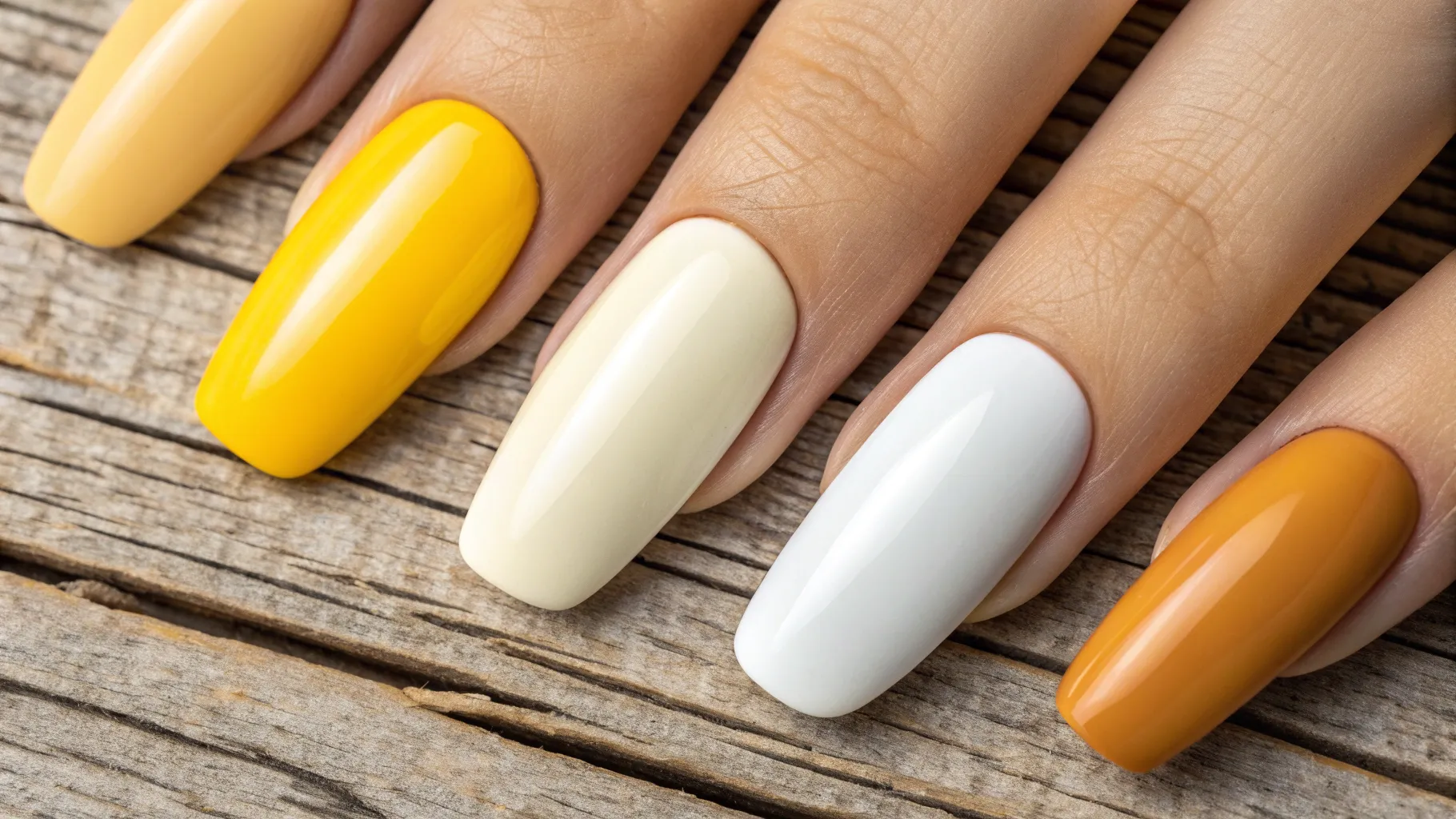
What Your Nails Can Reveal About Your Health
Your nails are more than just a feature of beauty; they're a revealing indicator of your overall health. Often ignored during manicures or grooming routines, the condition of your nails can point to underlying health issues. Changes in nail color, shape, and texture provide important clues about what's happening inside your body. In 2025, understanding these signs has become essential for promoting wellness. This comprehensive guide explores the various transformations your nails may undergo and what these signals could mean for your health.
Nail Changes That Indicate Health Issues
Nail changes can act as a window into your body's internal environment. Here are several symptoms you should monitor:
- Thickened Nails: If your nails begin to thicken, it may indicate a fungal infection, psoriasis, or potential circulatory problems. Recent studies show that nail thickness can be linked to conditions like diabetes.
- White Spots: Often seen as harmless, these little white spots can point toward zinc deficiency or allergic reactions. However, if they persist, consulting a healthcare professional is recommended.
- Red or Brown Streaks: These may be the result of trauma, but they could also signal serious concerns like melanoma. If you detect these changes, it's wise to seek evaluation from a dermatologist.
- Bitten or Damaged Nails: Chronic nail-biting not only damages your nails but may also suggest underlying stress or anxiety issues. Finding healthier coping mechanisms is crucial.
- Curling or Spoon Nails: When nails start to curl upward, it may indicate iron-deficiency anemia. Conversely, nails that dip downward could lead to concerns such as psoriasis or hemochromatosis.
What Different Nail Colors Mean
Often, the color of your nails can relay significant health information. Understanding what each hue may imply enhances your ability to take proactive steps for your well-being:
- Pale Nails: Pale nails could be a sign of anemia, liver disease, or malnutrition, with white nails often indicating liver issues. Monitoring these changes can alert you to underlying problems.
- Blue Nails: If you notice blue coloration, it's an indication of low oxygen levels, termed cyanosis. This can often stem from respiratory or cardiac issues, necessitating immediate medical attention.
- Yellow Nails: Yellowing nails can indicate fungal infections or more serious conditions such as lung disease or diabetes. Lifestyle factors, such as smoking, can also discolor nails.
- Red Nails: A vibrant red coloration could point toward various health concerns, including heart issues or inflammatory diseases; monitoring changes can prompt early intervention.
- Brown or Black Nails: While trauma can cause these colors, they may also indicate concerns such as melanoma. Regular checks of your nails for changes under adequate light are important.
Identifying Health Signs from Your Nails
Spotting potential health issues through your nails involves careful observation and understanding the nuances of change. Here are some practical steps to help you remain attuned to your nail health:
- Keep a Log: Document any alterations in your nails, from color shifts to texture changes, and relate these changes to any accompanying symptoms. This information can be invaluable for discussions with your doctor.
- Regular Health Check-Ups: Bringing your nail observations to your healthcare provider allows for comprehensive evaluations. Regular check-ups can aid in early detection of potential health issues.
- Consider Your Diet: Nutrition significantly affects nail health. Integrating foods rich in vitamins and minerals into your diet can strengthen nail appearance and resilience. In 2025, awareness of diet's impact on health is paramount.
Ways to Keep Your Nails Healthy Naturally
Maintaining nail health extends beyond prevention. It's about nurturing the nails to keep them strong and beautiful. Here are some natural approaches to enhance the vitality of your nails:
- Proper Nutrition: Emphasizing a diet rich in proteins, biotin, and essential vitamins is crucial for nail strengthening. Foods such as eggs, nuts, green leafy vegetables, and fish contribute positively to overall nail health.
- Moisturize: Keeping your nails hydrated is critical. Regular application of lotion or natural oils, like coconut or olive oil, helps prevent brittleness and dryness. Consider using dedicated nail oils for better results.
- Avoid Harsh Chemicals: Regular use of acetone-laden nail polish removers can be detrimental to nail health. Opt for gentler formulations when necessary, and allow your nails to breathe by taking periodic breaks from nail polish.
- Practice Good Hygiene: Regularly trim and clean your nails to stave off infections. Keeping up with handwashing is essential for eliminating bacteria and fungi that can harm your nails.
- Consider Probiotics: Research in 2025 suggests that probiotics may also promote overall health, including nail health. Integrating them into your diet might contribute positively to your nails' appearance and strength.
Being vigilant about the state of your nails can make a profound difference in your health journey. By learning to recognize nail changes and what they may signal, you empower yourself to make informed health decisions. Whether adjusting your diet, addressing potential health issues with your doctor, or simply revamping your nail care routine, your nails can have a significant impact on your overall well-being. Engaging in mindful self-care for your nails not only enhances your appearance but also supports your holistic health.