Vitamins and Nutrients That Support Healthy Hair Growth
Understanding Essential Hair Health Nutrients in 2025
In recent years, concerns about hair loss have become increasingly common, prompting many to look deeper into the factors that influence hair health. Beyond its physical appearance, hair loss can have emotional and psychological effects, making it important to understand the underlying causes. In 2025, researchers continue to highlight the role of nutrition in supporting natural hair growth processes. This article examines the relationship between essential vitamins and hair health, explaining how specific nutrients contribute to stronger, more resilient hair over time.
Key Vitamins and Nutrients for Hair Health
The foundation of healthy hair is built on the nutrients we consume daily. Nutrient deficiencies can lead to hair thinning and premature loss. Research has increasingly highlighted the significance of vitamins such as Biotin, Vitamin D, Iron, and Zinc. Let's delve into these essential nutrients and their roles in maintaining luscious locks.
- Biotin: Often dubbed the "hair vitamin," Biotin, or Vitamin B7, is essential for the production of keratin, the primary protein that makes up hair. A study from early 2025 revealed that individuals suffering from hair loss had notably low levels of Biotin. Incorporating biotin supplements or biotin-rich foods like nuts, eggs, and avocados can aid in achieving stronger hair.
- Vitamin D: Beyond its crucial role in bone health, Vitamin D is fundamental in promoting hair follicle cycling. Recent data shows that individuals with optimal Vitamin D levels experienced increased hair growth. Regular sun exposure and fortified foods can help maintain adequate Vitamin D levels, supporting not just hair but overall health.
- Iron: Iron deficiency is one of the most common nutritional causes of hair loss. It plays a crucial role in oxygen transportation to hair follicles. Foods rich in iron, such as red meat, spinach, and lentils, are essential in your diet if you're experiencing hair thinning. A comprehensive study released in mid-2025 confirmed a direct relationship between iron levels and hair health.
- Zinc: This trace mineral facilitates cell reproduction and tissue repair, including hair tissues. A 2025 report indicated that individuals with higher zinc intake had healthier hair textures and less shedding. Foods such as oysters, beef, quinoa, and pumpkin seeds can help replenish zinc levels.
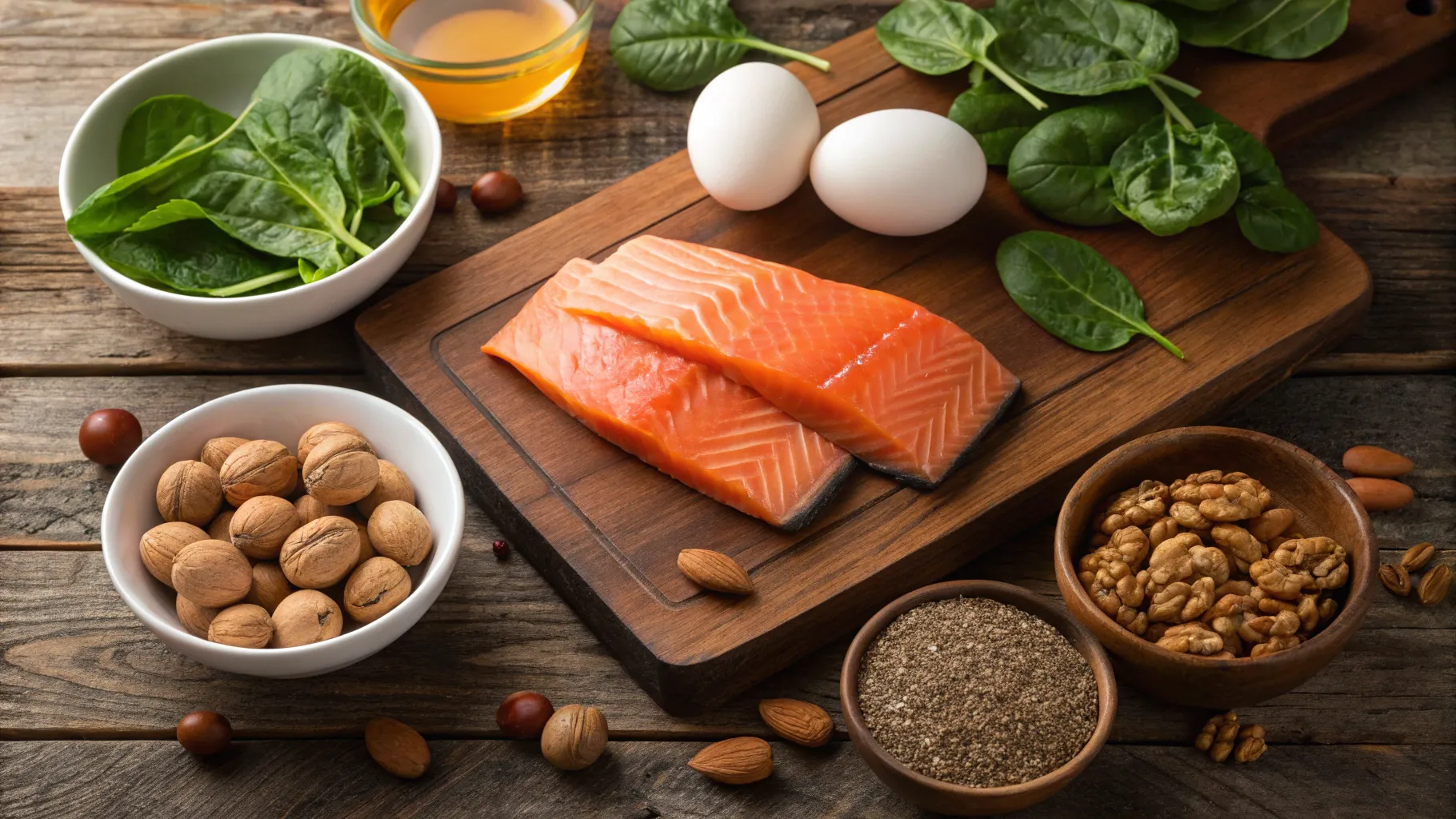
- Omega-3 Fatty Acids: Renowned for their anti-inflammatory properties, omega-3 fatty acids nourish hair and promote a healthy scalp. A recent trial found that participants taking Omega-3 supplements reported a noticeable increase in hair thickness and vitality. Sources include fatty fish like salmon, chia seeds, and flaxseeds.
Incorporating Hair-Friendly Foods into Your Diet
Understanding these essential nutrients is only half the battle; the next step is incorporating them into your everyday meals. Here is a curated list of delectable foods that can boost your hair health:
- Salmon: A favorite among health enthusiasts, salmon is packed with Omega-3 fatty acids and Vitamin D. It's a fantastic choice if you're looking to improve your hair's overall health.
- Spinach: Known for its high nutrient content, spinach delivers iron, vitamins A and C—key components that aid in hair growth. Research from early 2025 stated that those including leafy greens in their diets noted significant improvements in hair vitality.
- Eggs: The ultimate superfood, eggs are rich in biotin and protein. Their nutrient profile makes them essential in promoting healthy hair growth. Trying to add eggs to your breakfast routine can make a noticeable difference.
- Walnuts: These nuts not only taste delicious but are also an excellent source of Omega-3, Vitamin E, and biotin. Snacking on walnuts can help improve your hair strength easily.
- Berries: Filled with antioxidants, berries protect hair follicles from oxidative stress. Moreover, their high Vitamin C content boosts iron absorption when consumed alongside iron-rich foods.
As plant-based diets become more popular in 2025, foods like lentils, quinoa, and chia seeds have gained attention for their nutritional density, making them excellent additions to a hair-health-focused diet.
Natural Methods for Optimizing Hair Growth
A nutritious diet is a pillar of hair health, but complementing your diet with natural practices can greatly enhance the results. Here are some effective methods that can support hair growth:
- Scalp Massage: Regular scalp massages not only feel great but significantly increase blood circulation, which boosts nutrient delivery to hair follicles. Using essential oils during your massage can enhance the relaxation effect while benefiting hair health.
- Aloe Vera: This natural wonder helps soothe the scalp and reduce flakiness. Applying pure Aloe vera gel directly can create an environment conducive to hair growth by keeping the scalp hydrated.
- Essential Oils: Oils like rosemary and lavender are known to stimulate hair growth. Dilue them with a carrier oil, such as coconut oil, and gently massage them into your scalp for maximum benefits.
- Stress Management: Mental well-being directly affects hair health. Incorporating practices like yoga, meditation, or mindfulness can reduce stress, allowing your hair a better chance to thrive.
- Hydration: Staying hydrated is crucial for the overall health of your hair—and your body. Adequate water intake helps maintain cellular functions and skin moisture levels to create an optimal environment for hair growth.
As the science of nutrition continues to evolve, so does our understanding of hair care in 2025. Adapting these natural practices and dietary enhancements requires consistency and patience, but they set the stage for healthy, vibrant hair.
Learning About Professional Input for Persistent Hair Loss
Despite exercising diligence in improving your nutrition and adopting these natural methods, if hair loss continues, professional advice is essential. Dermatologists in 2025 stress the importance of addressing underlying conditions that contribute to hair thinning. Factors like hormone imbalances or underlying medical conditions often require specialized care.
Hair loss is more common than many realize, and grasping the essential vitamins and nutrients can significantly influence your outcome. By making informed dietary choices, embracing natural approaches, and fostering a healthy lifestyle, you can reclaim your path to luscious, vibrant hair. FAQs regarding hair health abound, but having clear information and taking proactive steps is crucial to achieving the hair of your dreams in 2025.