Understanding Vitamins and Foods That Support Memory Health
Understanding Memory Loss Prevention Vitamins
As cognitive health becomes more connected to overall quality of life, understanding ways to prevent memory loss is important. Studies show a projected 15% increase in dementia diagnoses among older adults by 2025. Nutrition plays a significant role in supporting brain function, with research highlighting specific vitamins and nutrients that contribute to maintaining memory and cognitive abilities.
Vitamins and Their Impact on Cognitive Health
As we delve into the realm of memory loss prevention, several vitamins stand out for their impressive effects on cognitive health. Here's a closer look at these essential nutrients:
- Vitamin B12: This vitamin is crucial for brain cell health and the production of neurotransmitters. A deficiency in Vitamin B12 can lead to cognitive decline, especially in older adults. Sources of B12 include meat, fish, eggs, and fortified cereals, making it relatively easy to incorporate into your diet.
- Folic Acid (Vitamin B9): Vital for synthesizing neurotransmitters, folic acid facilitates communication between brain cells. Good sources include leafy greens, legumes, and fortified grains. Research shows that adequate folate intake can significantly lower the risk of cognitive decline.
- Vitamin D: There is a growing body of evidence linking low Vitamin D levels to poorer cognitive performance. Accessible sources of Vitamin D include sunlight exposure, fatty fish like salmon and mackerel, and fortified dairy products. Regularly checking your Vitamin D levels can be a proactive stance in guarding against memory loss.
- Vitamin E: Renowned for its strong antioxidant properties, Vitamin E helps protect brain cells from oxidative stress, which contributes to cognitive decline. Nuts, seeds, spinach, and broccoli are excellent dietary sources of Vitamin E.
Nutrients to Enhance Memory
Beyond vitamins, there are several other essential nutrients that have been linked to improved brain health. Incorporating these into your diet can further bolster cognitive function:
- Omega-3 Fatty Acids: DHA and EPA are omega-3 fatty acids vital for the structural integrity of brain cells. Fatty fish such as sardines and anchovies, along with walnuts and flaxseeds, are rich in these healthy fats, which help reduce inflammation and promote cognitive function.
- Antioxidants: A blend of vitamins C and E, along with flavonoids and polyphenols, can reduce oxidative stress, a major contributor to memory loss. Foods like blueberries, dark chocolate, and colorful vegetables are rich in antioxidants and should be staples in your diet.
- Magnesium: This essential mineral plays a role in various cognitive functions, including learning and memory. Green leafy vegetables, nuts, seeds, and whole grains are excellent sources of magnesium and can help improve cognitive performance if included regularly in your meals.
Foods That Support Brain Health
The foods we consume significantly influence our cognitive health. Embracing brain-boosting foods not only fosters better memory but also contributes to overall wellness. A recent study from the Journal of Neurology has highlighted how individuals following a Mediterranean diet—abundant in fruits, vegetables, whole grains, and healthy fats—show lower instances of cognitive decline.
Here are some top food options that can enhance brain health:
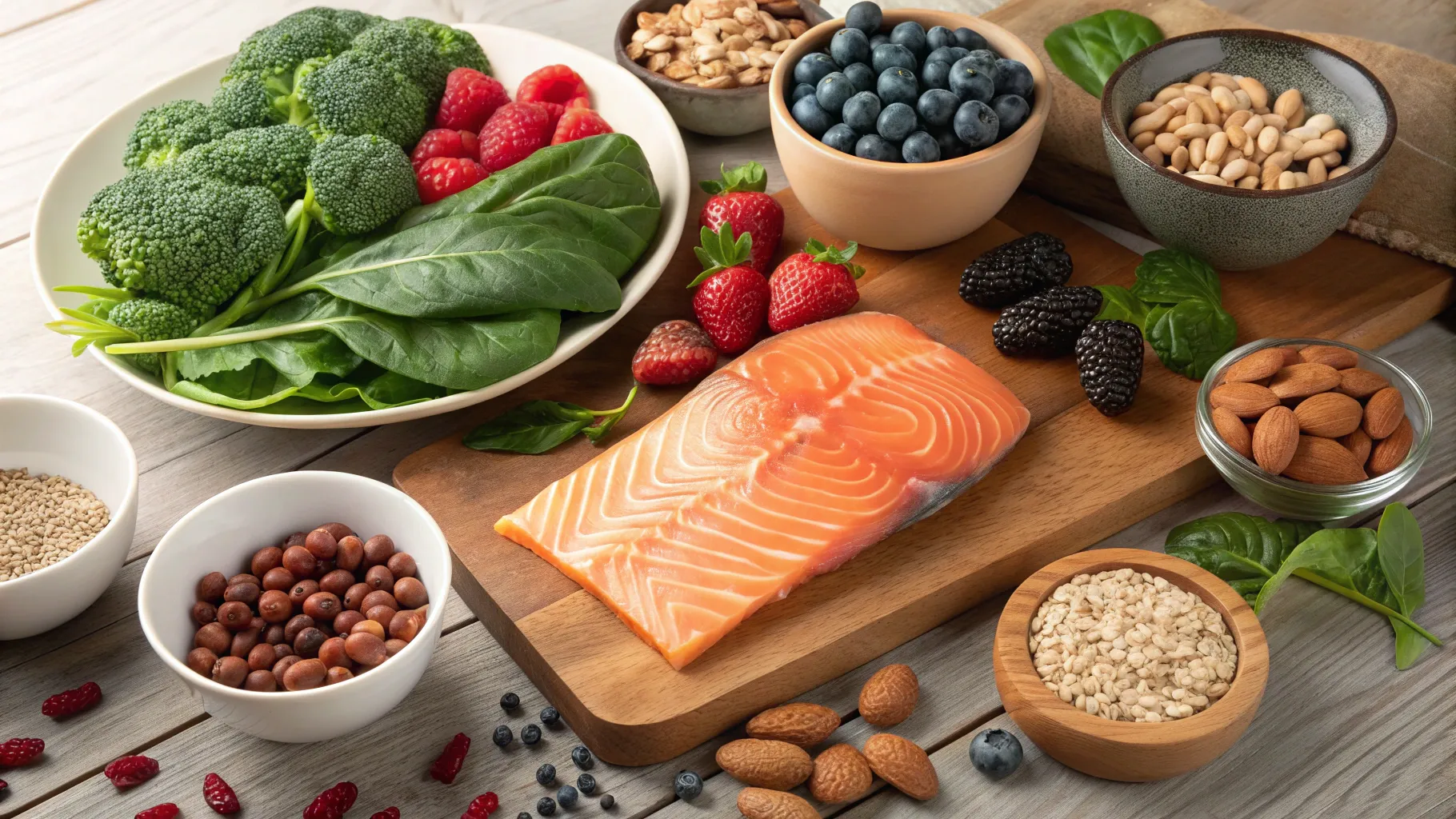
- Fatty Fish: Including fish like salmon and trout in your diet provides an ample supply of omega-3 fatty acids, essential for brain health. Aim to eat these at least twice a week.
- Vegetables: Leafy greens such as spinach, kale, and broccoli stand out for their high levels of antioxidants and essential vitamins, making them critical for maintaining cognitive function.
- Whole Grains: Foods such as oats, brown rice, and quinoa provide sustained energy for the brain, supporting mental clarity and focus throughout the day.
- Berries: Rich in flavonoids and antioxidants, berries have been shown to improve communication between brain cells and may enhance memory function. Incorporating a variety of berries into your daily snacks can be both delicious and beneficial.
Practical Nutrition Tips for Cognitive Function
While focusing on brain-healthy foods is paramount, how we approach eating also plays a significant role in promoting cognitive health. Here are some practical tips to enhance your dietary habits for better memory:
- Stay Hydrated: Hydration is key to maintaining cognitive functions. Dehydration can impair memory and concentration, so aim to drink at least 8 glasses of water per day to stay alert.
- Regular Meal Patterns: Skipping meals can lead to drops in blood sugar, headaches, and cognitive issues. Eating balanced meals regularly helps provide the brain with a steady supply of energy.
- Limit Sugar and Processed Foods: Diets high in sugar and processed foods have been shown to exacerbate inflammation and impair memory. Instead, go for whole, nutrient-rich foods that can nourish your brain health.
- Mindful Eating Practices: Engaging in mindfulness during meals allows for better digestion and helps regulate appetite. Paying attention to what and how you eat enhances enjoyment and promotes healthier choices.
In summary, staying vigilant about the vitamins and nutrients that support memory is essential. By prioritizing key vitamins such as B12, incorporating a variety of nutrient-rich foods, and practicing healthier eating habits, you can take significant strides towards preserving your cognitive health. As we face increasing reports of memory-related issues, embracing a diet focused on brain wellness is no longer just an option; it's a necessity for a healthy future.