What You Need to Know about Varicose Veins vs Blood Clots
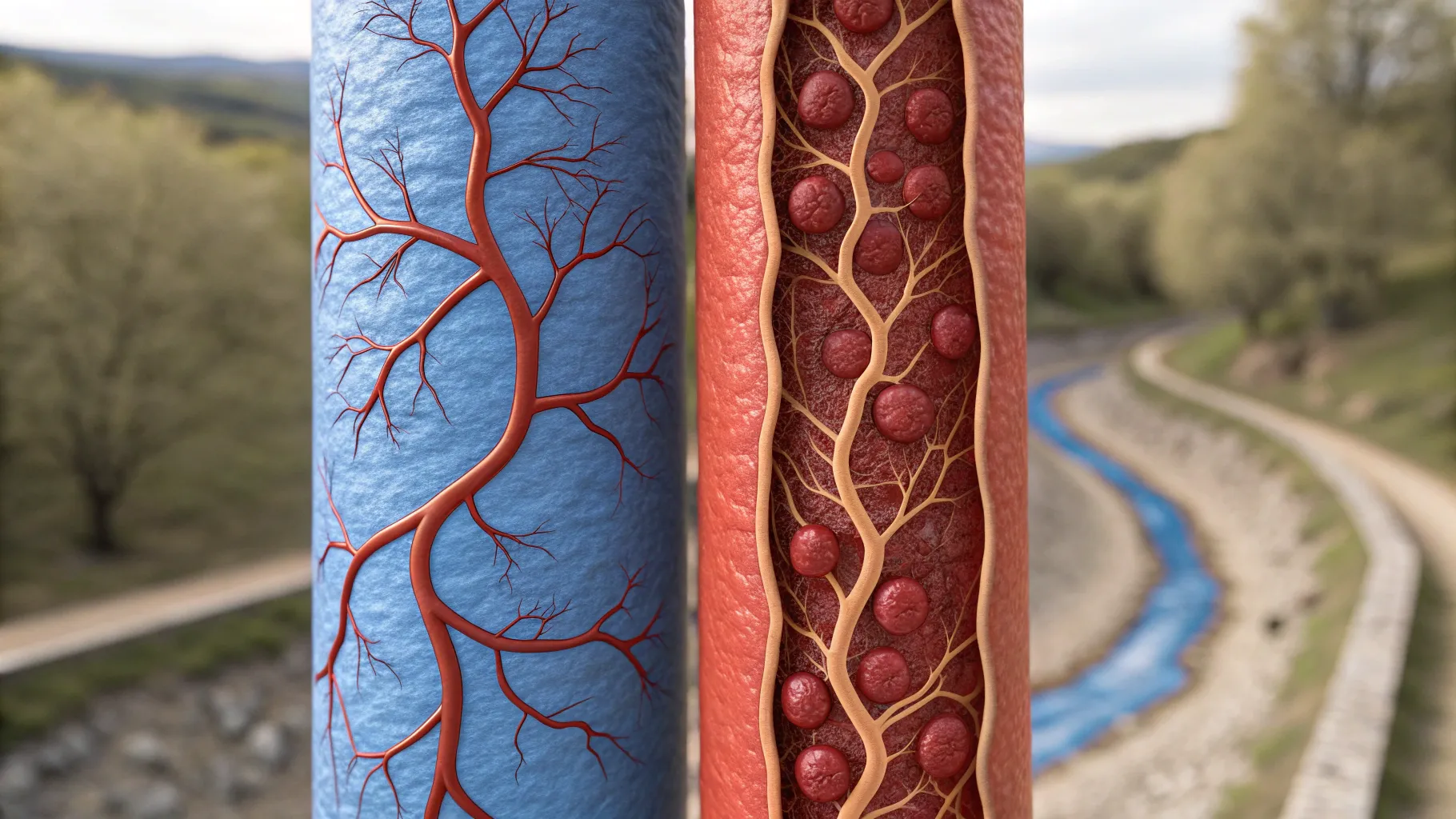
Varicose Veins vs Blood Clots Understanding the Differences
Vascular health can be difficult to understand, especially when comparing conditions such as varicose veins and blood clots. Although both involve the body’s circulatory system, they differ greatly in how they form, how they affect blood flow, and the level of health risk they present. This discussion aims to highlight these key differences to support better awareness of vascular health.
Varicose veins are enlarged, twisted veins that most often appear in the legs and take on a bluish or purplish color. They develop when vein valves weaken or do not function properly, causing blood to collect in the affected vessels. Studies estimate that about 30 percent of adults experience symptoms of varicose veins. While these veins can lead to discomfort—such as aching, swelling, or a feeling of heaviness—they are generally not considered dangerous.
Blood clots, on the other hand, involve a more serious health concern. A blood clot forms when blood cells and proteins clump together, creating a solid mass that can partially or completely block a blood vessel. Clots may occur in different parts of the body, but they are especially concerning when they form in deep veins, a condition known as deep vein thrombosis (DVT). Recent data indicate that more than 900000 people in the United States are diagnosed with DVT each year, highlighting the importance of recognizing and addressing this condition promptly.
Signs of Compromised Circulation Recognizing the Symptoms
Often, individuals may overlook the signs of poor circulation until more severe symptoms arise. Notably, the indications of varicose veins and blood clots can differ significantly, making it crucial to identify them.
- Varicose veins: Common signs include visible bulging veins, a feeling of discomfort or heaviness in the legs, swelling, and changes in skin condition such as discoloration or ulcerations. Symptoms may intensify after long periods of standing or sitting.
- Blood clots: The symptoms associated with blood clots are often more acute. Typical indicators include sudden swelling, sharp pain or tenderness in just one leg (often resembling a muscle cramp), along with warmth and redness over the affected area. An alarming situation arises with pulmonary embolism, a condition where a clot travels to the lungs leading to severe issues, and may manifest as sudden shortness of breath, chest pain, or coughing up blood.
It is crucial to seek immediate medical attention if a blood clot is suspected. The prompt identification and treatment of blood clots can make a tremendous difference in recovery outcomes.
How to Support Healthy Blood Flow
To prevent both varicose veins and blood clots, maintaining healthy blood circulation is essential. Proactive health strategies can significantly diminish the risk of developing these conditions.
- Regular Exercise: Staying active is among the most effective ways to promote blood circulation. Activities such as walking, swimming, or cycling help maintain vein health and reduce the chances of clot formation. For many, just a daily walk can offer immense benefits.
- Stay Hydrated: Appropriate hydration is vital for maintaining normal blood viscosity. Insufficient water intake can lead to thicker blood, increasing the risk of clotting. Aim for at least eight glasses of water a day to support healthy circulation.
- Healthy Diet: Incorporating foods rich in omega-3 fatty acids like fish and walnuts, along with a variety of fruits and vegetables, can enhance blood flow and mitigate inflammation. Leafy greens, berries, and citrus fruits can work wonders for your vascular health.
- Avoid Prolonged Sitting or Standing: If your daily activities necessitate sitting for long hours, make it a point to take regular breaks to stretch or walk around. For those who work on their feet, finding opportunities to shift your position or wearing compression stockings can significantly improve circulation.
- Use Compression Stockings: Many individuals suffering from varicose veins find relief by using compression stockings. These specially designed garments provide gentle pressure to promote enhanced blood return to the heart.
For individuals at higher risk—such as those with genetic predispositions to blood clots, post-surgery patients, or anyone experiencing extended immobility—consulting with a healthcare professional for personalized preventive measures can be extremely beneficial. Regular check-ups and discussions about your vascular health should be a priority.
Understanding the distinction between varicose veins and blood clots plays a critical role in maintaining your health. By recognizing the signs of poor circulation and adopting robust lifestyle practices, individuals can significantly lower their risk of serious complications associated with vascular health concerns.
Living a health-focused lifestyle not only increases your overall well-being but could also be pivotal in preventing potentially life-threatening conditions. Being aware of your body’s signals and taking deliberate actions towards better vascular health is essential for long-term wellness.
Don’t wait for symptoms to arise; make it a priority today to incorporate these insights into your life. Your vascular health deserves attention, and by taking charge of it now, you empower yourself with knowledge and habits that foster wellness into the future.
Remember, the choices you make today about your vascular health can bring about meaningful improvements in your quality of life. So, embrace these practices, stay informed, and empower your journey to healthier living.