Pneumonia and Lung Infections: Medical Facts and Signs
Facts:
- Pneumonia affects millions globally each year.
- Early diagnosis for lung infection information is crucial for treatment.
Demystifying Pneumonia: Essential Respiratory Infection Awareness
Pneumonia is a serious infection that inflames the air sacs in one or both lungs. The air sacs may fill with fluid or pus, causing cough with phlegm or pus, fever, chills, and difficulty breathing. Understanding pneumonia general information is vital for early detection and treatment, significantly impacting recovery and preventing severe complications.
Understanding the Causes and Risk Factors of Pneumonia
Pneumonia can be caused by a variety of microorganisms, including bacteria, viruses, and fungi. Bacterial pneumonia is often the most common type in adults, with Streptococcus pneumoniae being a leading culprit. Viral pneumonia, on the other hand, is frequently caused by influenza viruses and RSV, especially in young children and the elderly. Fungal pneumonia is less common but can affect individuals with weakened immune systems. Understanding these diverse etiologies is crucial for effective diagnosis and targeted treatment. Furthermore, several risk factors increase an individual's susceptibility to this severe lung infection information. These include age (very young children and adults over 65), chronic medical conditions like asthma, COPD, and heart disease, a weakened immune system due to HIV/AIDS, organ transplantation, or chemotherapy, and lifestyle choices such as smoking and excessive alcohol consumption. Environmental factors, such as exposure to certain chemicals or pollutants, can also contribute to the risk of developing respiratory infection awareness. A comprehensive grasp of these factors aids in prevention and early intervention strategies, making pneumonia general information indispensable for public health.
Recognizing Pneumonia Symptoms Overview: What to Look For
The signs and symptoms of pneumonia can vary from mild to severe, depending on factors like the type of germ causing the infection, the patient's age, and their overall health. Common symptoms often include a cough, which may produce phlegm or pus, fever, chills, and difficulty breathing. Patients might also experience chest pain when they breathe or cough, fatigue, nausea, vomiting, or diarrhea. In older adults, symptoms might be atypical, presenting as confusion or a lower-than-normal body temperature. Young children might show irritability, lethargy, or a lack of appetite, alongside more typical respiratory distress. A thorough pneumonia symptoms overview reveals that early recognition is paramount, as delayed diagnosis can lead to more serious complications such as pleurisy, lung abscesses, or even sepsis. Being aware of these indicators can prompt individuals to seek medical attention promptly, ensuring timely diagnosis and treatment for this critical lung infection information.
Diagnostic Approaches and Treatment Strategies for Pneumonia
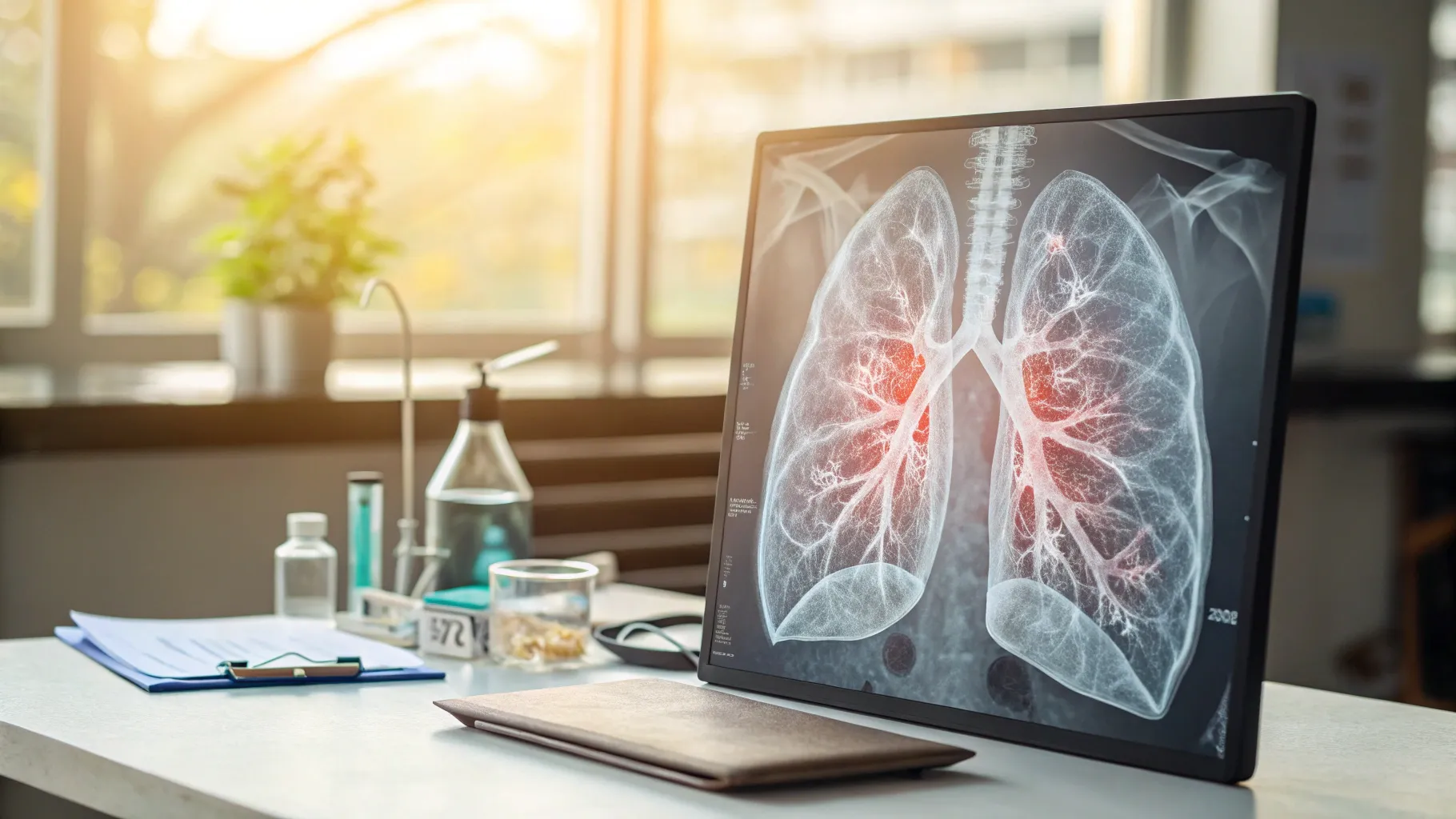
Diagnosing pneumonia typically involves a combination of medical history, physical examination, and diagnostic tests. A doctor will listen to the lungs for abnormal sounds and inquire about symptoms and recent exposures. Chest X-rays are a primary diagnostic tool, revealing inflammation and fluid in the lungs, which is critical for confirming the diagnosis and assessing the extent of the lung infection information. Blood tests may be performed to check for signs of infection and identify the causative organism. Sputum cultures, though not always necessary, can help pinpoint the specific bacterium or fungus causing the pneumonia, guiding antibiotic selection. In more severe cases, CT scans or bronchoscopy might be utilized. Treatment strategies largely depend on the cause of pneumonia. Bacterial pneumonia is treated with antibiotics, while viral pneumonia often requires antiviral medications, if available, or supportive care. Fungal pneumonia necessitates antifungal drugs. Beyond specific medications, supportive care is crucial, including rest, adequate fluid intake, pain relievers, and fever reducers. Hospitalization may be required for severe cases, especially for individuals with underlying health conditions or those experiencing significant respiratory distress. Productive management is central to improving outcomes and reducing the severity of this respiratory infection awareness.
Measures and Vaccination for Pneumonia
Prevention is a cornerstone in the fight against pneumonia. Several strategies can significantly reduce the risk of developing this serious lung infection information. Vaccinations play a critical role, especially the pneumococcal vaccine, which protects against common bacterial causes of pneumonia. The flu vaccine is also highly recommended annually, as influenza is a frequent precursor to viral pneumonia. Good hygiene practices, such as frequent handwashing with soap and water or alcohol-based sanitizers, are essential in preventing the spread of respiratory germs. Avoiding close contact with sick individuals and refraining from smoking are also vital preventative steps. Smoking damages the lungs' natural defenses, making them more vulnerable to infections. Maintaining a strong immune system through a healthy diet, regular exercise, and adequate sleep contributes significantly to overall respiratory infection awareness and resilience against various pathogens. For individuals with chronic health conditions, managing those conditions effectively can also lower the risk of severe pneumonia. These proactive measures underscore the importance of readily accessible pneumonia general information for public health.
Comparison of Viral vs. Bacterial Pneumonia
While both viral and bacterial forms of pneumonia present with similar symptoms, understanding their distinctions is crucial for accurate diagnosis and effective treatment. Bacterial pneumonia often has a more sudden onset and can be more severe, typically caused by bacteria like Streptococcus pneumoniae. Symptoms might include a high fever, severe chills, and a cough producing greenish or rust-colored sputum. Antibiotics are the primary treatment for bacterial pneumonia. In contrast, viral pneumonia, frequently caused by influenza or RSV, tends to develop more gradually and is often milder, though it can still be serious, especially in vulnerable populations. Symptoms often mirror those of a cold or flu, such as a dry cough, muscle pain, and headache, before progressing to respiratory issues. Antibiotics are ineffective against viral infections, so treatment focuses on supportive care, such as rest, fluids, and managing symptoms. It's important to note that viral pneumonia can sometimes lead to secondary bacterial pneumonia, further complicating the clinical picture. A comprehensive pneumonia symptoms overview is incomplete without distinguishing between these two major types, which is paramount for both healthcare providers and the public to grasp essential lung infection information.
Actionable Advice for Managing Pneumonia at Home
- Follow Medical Advice Strictly: Always complete the full course of antibiotics or antiviral medications as prescribed, even if you start feeling better. Stopping early can lead to a resurgence of the infection or antibiotic resistance, making future treatment of pneumonia more difficult.
- Prioritize Rest: Your body needs energy to fight the infection. Get plenty of sleep and avoid strenuous activities. Rest is a crucial component of recovery from any severe respiratory infection awareness.
- Stay Hydrated: Drink plenty of fluids, such as water, juice, or broth, to help loosen mucus in your lungs and prevent dehydration. Adequate hydration supports overall recovery from lung infection information.
- Manage Cough and Fever: Use over-the-counter medications like ibuprofen or acetaminophen to control fever and discomfort. For cough, discuss with your doctor if cough suppressants are appropriate, as coughing helps clear the lungs. This is part of essential pneumonia general information for home care.
- Avoid Irritants: Stay away from smoke (including secondhand smoke) and chemical fumes, which can irritate your lungs and worsen your cough. A clean air environment is beneficial when recovering from pneumonia.
- Monitor Symptoms: Pay close attention to your symptoms. If they worsen, or if you develop new symptoms like severe shortness of breath, increased chest pain, or confusion, seek immediate medical attention. Knowing when to get help is a key part of pneumonia symptoms overview.
Frequently Asked Questions
Can pneumonia be contagious?
Yes, the germs that cause pneumonia, whether bacterial or viral, can be contagious. These germs are typically spread through airborne droplets from coughs or sneezes. However, simply being exposed to the germ doesn't guarantee you'll develop pneumonia; factors like your immune system and overall health play a significant role. Practicing good hygiene, such as handwashing, is crucial for preventing the spread of this respiratory infection awareness.
How long does it take to recover from pneumonia?
Recovery time from pneumonia varies widely depending on the individual's age, general health, and the severity of the infection. Mild cases might clear up within a week, but the cough and fatigue can linger for several weeks or even months. More severe cases, especially those requiring hospitalization, can take longer to fully recover, sometimes up to several months. Regular follow-ups with a doctor are important to ensure complete recovery and address any lingering symptoms, providing comprehensive pneumonia general information.
Is pneumonia always serious?
While pneumonia can be a very serious and potentially life-threatening condition, particularly for infants, older adults, and those with weakened immune systems or chronic illnesses, not all cases are equally severe. Many cases of pneumonia can be mild and respond well to outpatient treatment. However, it's always crucial to seek medical attention if you suspect you have pneumonia, as early diagnosis and treatment are key to preventing complications. This understanding is part of a thorough pneumonia symptoms overview.
What are the potential complications of pneumonia?
If left untreated or if severe, pneumonia can lead to several serious complications. These include bacteremia (bacteria in the bloodstream), which can spread the infection to other organs; pleurisy (inflammation of the lining around the lungs); lung abscesses (pus-filled cavities in the lung); and acute respiratory distress syndrome (ARDS), a severe form of respiratory failure. These complications underscore the critical need for timely medical intervention and detailed lung infection information.