Understanding and Managing Hip Bursitis
Fast Facts:
- Relief: Targeted therapies can significantly reduce hip pain.
- Trend info in en for Older Adults: Hip bursitis is more common in individuals over 60, but can affect active people of any age.
Navigating the Discomfort of Hip Bursitis
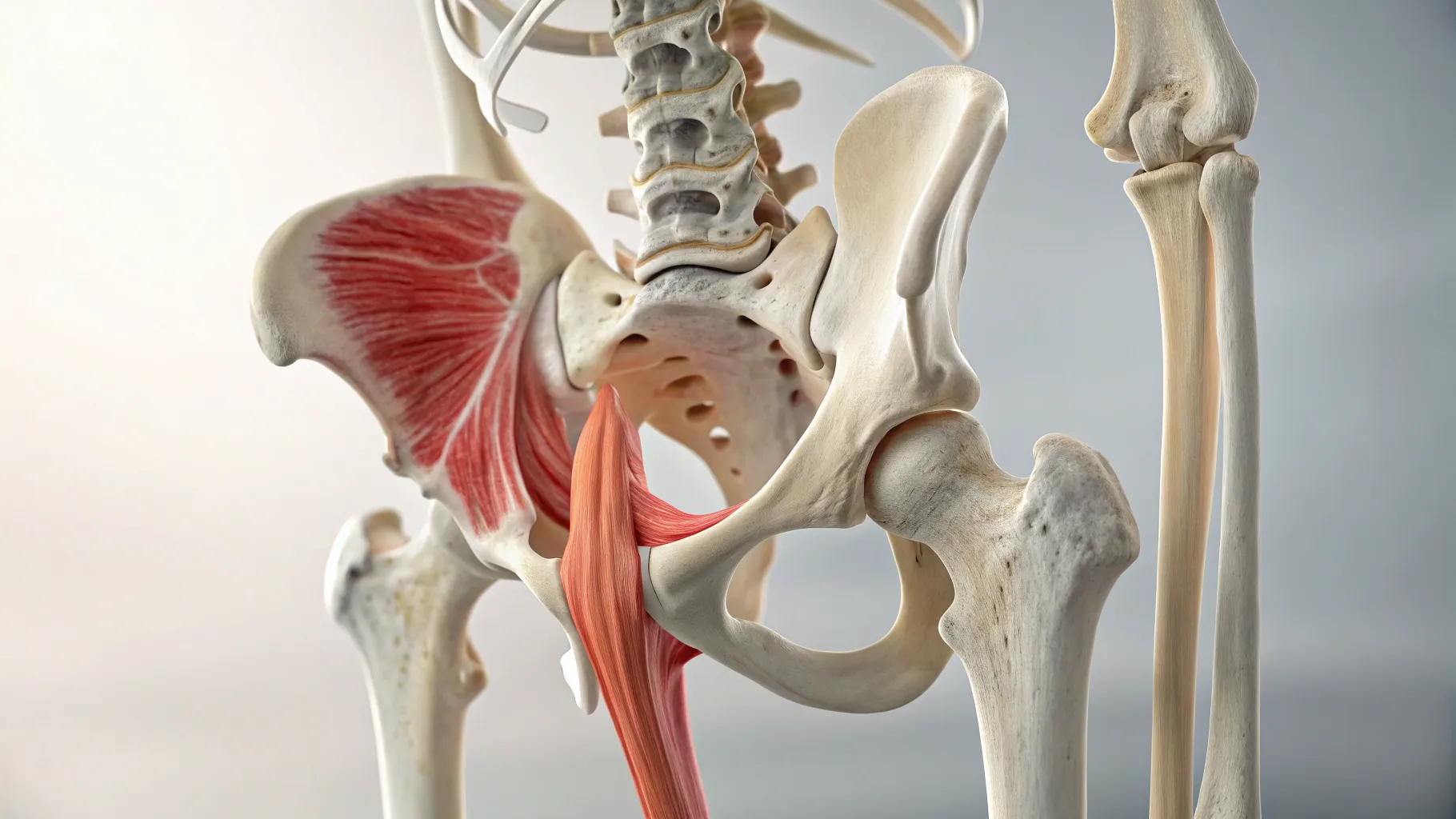
If you've ever experienced persistent pain on the outside of your hip, you might be wondering what is hip bursitis. This common condition occurs when the bursae—small, fluid-filled sacs that cushion the bones, tendons, and muscles near your hip joint—become inflamed. Understanding its origins and impact is the first step toward productive management.
Recognizing the Symptoms of Hip Bursitis
The primary indicator of hip bursitis is pain on the outer side of the hip, which often worsens with activity such as walking, climbing stairs, or lying on the affected side. This pain can radiate to the thigh and buttocks. Patients typically report a deep ache that may become sharp with movement. Other symptoms of hip bursitis include tenderness when pressing on the outside of the hip, swelling, and sometimes a snapping sensation. Early identification of these signs is crucial for prompt intervention.
Hip Bursitis Treatment Options
When it comes to hip bursitis treatment, a multi-faceted approach is often most effective. Initially, conservative methods are usually recommended to reduce inflammation and pain. These can include rest, applying ice to the affected area, and over-the-counter anti-inflammatory medications. Lifestyle modifications, such as avoiding activities that aggravate the hip, and using proper body mechanics are also important. For more persistent pain, medical interventions become necessary.
The Role of Physical Therapy for Hip Bursitis
Physical therapy for hip bursitis plays a vital role in recovery. A therapist can design a personalized exercise program to strengthen the muscles surrounding the hip, improve flexibility, and correct gait imbalances. Exercises often focus on core stability, hip abductor strength, and stretching tight structures like the IT band. This helps to reduce stress on the bursa and prevent recurrence.
Exploring Topical and Injectable Solutions
Beyond physical therapy, various other treatments can offer relief. For localized pain, a pain relief cream for hip bursitis can be a non-invasive option, providing temporary comfort by reducing inflammation topically. These creams often contain ingredients like menthol, capsaicin, or NSAIDs. For more severe or persistent inflammation, a cortisone injection for hip bursitis might be recommended. This involves injecting a corticosteroid directly into the inflamed bursa, providing powerful anti-inflammatory effects and often significant pain relief, though it's typically a temporary solution and not a cure.
Proactive Steps for Managing Hip Bursitis Pain
- Modify Activities: Reduce or temporarily stop activities that worsen your hip pain, such as running, extensive stair climbing, or prolonged standing.
- Improve Posture: Focus on maintaining good posture while standing, sitting, and sleeping to reduce undue stress on your hip joint and bursae.
- Supportive Footwear: Wear comfortable, supportive shoes, especially if you spend a lot of time on your feet. Orthotics may be beneficial if you have gait issues.
- Weight Management: If overweight, losing even a small amount of weight can significantly reduce the load on your hip joints, easing symptoms.
- Consistent Stretching: Regularly stretch your hip flexors, hamstrings, and IT band to maintain flexibility and prevent muscle tightness that can irritate the bursa.
Frequently Asked Questions
How long does it take for hip bursitis to heal?
Healing time for hip bursitis varies greatly depending on the severity and individual response to treatment. Mild cases may improve within a few weeks with conservative care, while more severe or chronic cases could take several months, especially with physical therapy and other interventions.
Can hip bursitis go away on its own?
While mild cases might resolve with rest and activity modification, it's generally advisable to seek medical attention for hip bursitis. Untreated, it can become chronic and lead to ongoing pain and functional limitations. Early intervention usually leads to better outcomes.
What is the best sleeping position for hip bursitis?
Sleeping on your unaffected side with a pillow between your knees can help align the hips and reduce pressure on the inflamed bursa. Avoid sleeping on the affected side, as this can exacerbate pain.