Understanding Symptoms of Liver Cirrhosis and Health
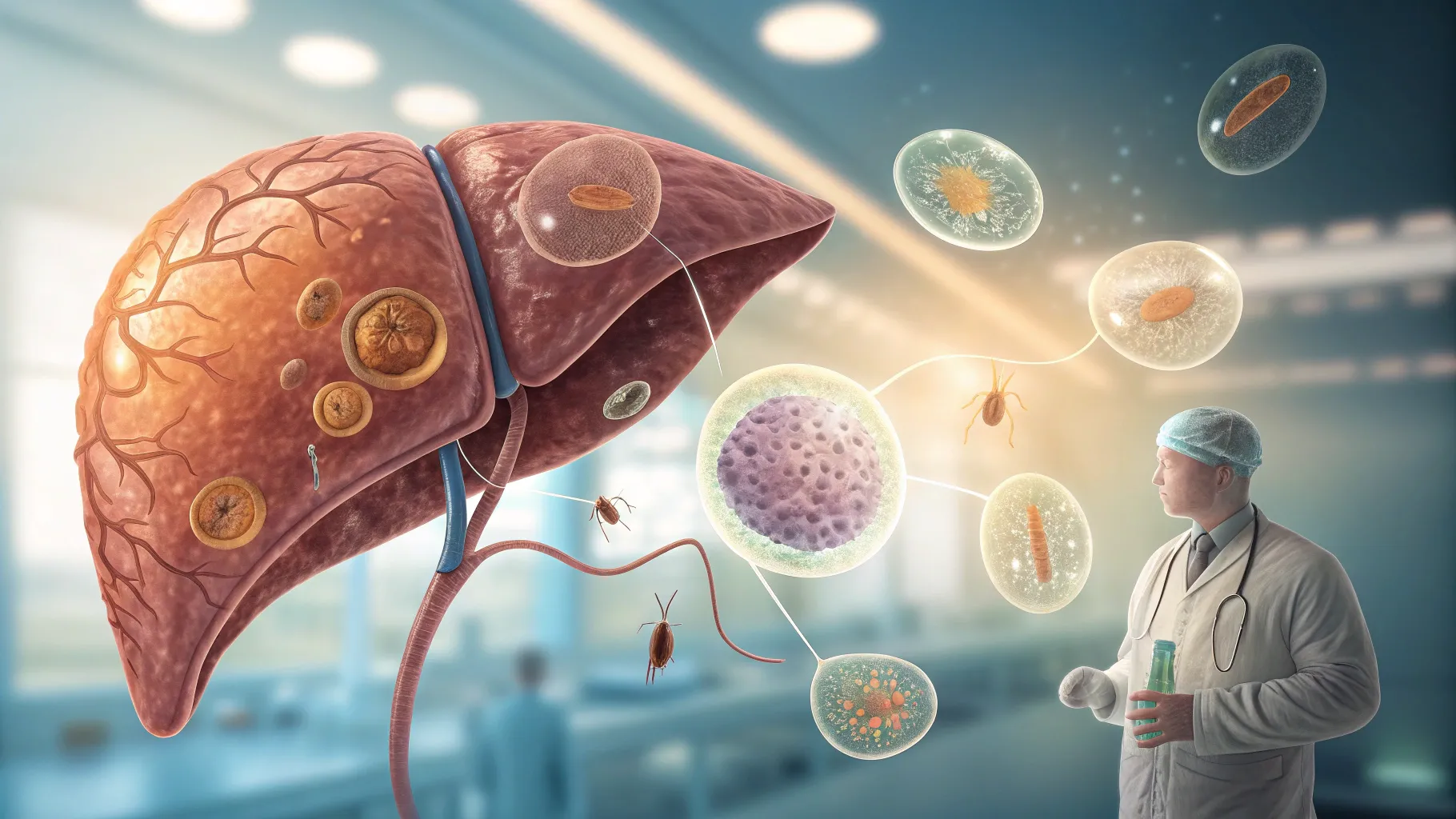
Understanding the Symptoms of Liver Cirrhosis: A Comprehensive Guide
In 2025, awareness of liver health is growing, highlighting the need to understand conditions like cirrhosis. This guide explains the liver’s key functions, early signs of damage, common causes, and ways to prevent liver disease. By increasing knowledge about liver cirrhosis, it aims to help readers take proactive steps toward maintaining liver health and overall well-being.Exploring Liver Health: Functions and Key Insights
Often working behind the scenes, the liver is a vital organ, performing over 500 essential tasks required for a balanced bodily ecosystem.How the Liver Supports Overall Body Health
- Detoxification: Beyond just cleansing, the liver transforms toxins into non-harmful substances that are then safely expelled from the body.
- Protein Synthesis: From producing crucial proteins that aid blood clotting to creating necessary metabolic enzymes, the liver's contributions are immense.
- Metabolism Regulation: It not only converts nutrients into energy but also cleverly stores vital vitamins and minerals.
Recognizing Early Symptoms of Liver Damage
In early stages, cirrhosis symptoms can be subtle, often eluding immediate attention. However, contemporary studies have highlighted early indicators that warrant vigilance.Initial Symptoms to Notice
In the beginning, many individuals might not feel significant symptoms. Yet, astute observation can facilitate earlier diagnosis.
1. Chronic Fatigue: Unlike ordinary tiredness, this exhaustion can feel overwhelming. Recent findings in 2025 indicate that more than 70% of cirrhosis patients experienced profound fatigue as an early symptom.
2. Appetite and Weight Changes: A sudden dip in appetite leading to unexplained weight loss is a known initial warning sign.
3. Nausea and Digestive Discomfort: These arise due to accumulated toxins no longer efficiently processed by the liver.
4. Jaundice (Yellowing of Skin and Eyes): Increased bilirubin resulting from impaired liver function manifests as yellowish skin and eyes.
5. Abdominal and Leg Swelling (Ascites): This becomes evident as cirrhosis progresses, causing fluid buildup.
6. Easy Bruising and Bleeding: With reduced capacity to synthesize clotting factors, these symptoms often emerge.
Identifying Advanced Stage Symptoms
As cirrhosis progresses, symptoms may become noticeably severe:
- Cognitive Impairments: Referred to as hepatic encephalopathy, this mental confusion arises as unprocessed toxins affect brain functions.
- Increased Swelling: Pronounced edema particularly evident around the limbs is a common sign.
- Persistent Itching: Accumulation of bile salts under the skin leads to relentless itching without relief.
Real-world accounts, such as that of a 45-year-old who initially dismissed early signs until serious jaundice and mental confusion set in, underscore the criticality of early intervention. Such cases highlight the risks of neglecting preliminary symptoms.
Key Actions to Support and Maintain Liver Health
With liver health gaining prominence, numerous preventive campaigns emphasize lifestyle choices as foundational.How to Support Liver Vitality and Health:1. Balanced Nutrition: Opt for a diet filled with fruits, vegetables, lean proteins, and whole grains to bolster liver health.
2. Regular Physical Activity: Exercise counters liver sluggishness, with at least 150 minutes of moderate activity weekly being recommended.
3. Mindful Alcohol Intake: Known as a primary liver threat, alcohol should be consumed with caution.
The rising prevalence of non-alcoholic fatty liver disease (NAFLD), noted in recent reports, emphasizes the need for lifestyle choices extending beyond diet and physical activity. Attention to medical check-ups can aid in detecting liver irregularities at the earliest stage.
Equipped with knowledge about liver cirrhosis and related liver conditions, individuals can make informed decisions towards a healthier lifestyle. Recognizing symptoms early and adopting beneficial lifestyle changes can not only extend lifespan but substantially enhance the quality of life. Remember, understanding liver health is not just about medicine—it’s personal.