Why Eye Floaters Occur and When They May Signal Change
Fast Facts:
- Vision Health: Eye floaters are common and often harmless.
- They typically appear as small spots or threads moving across the field of vision for adults aged 50+.
Understanding Eye Floaters: Causes, Changes, and Care
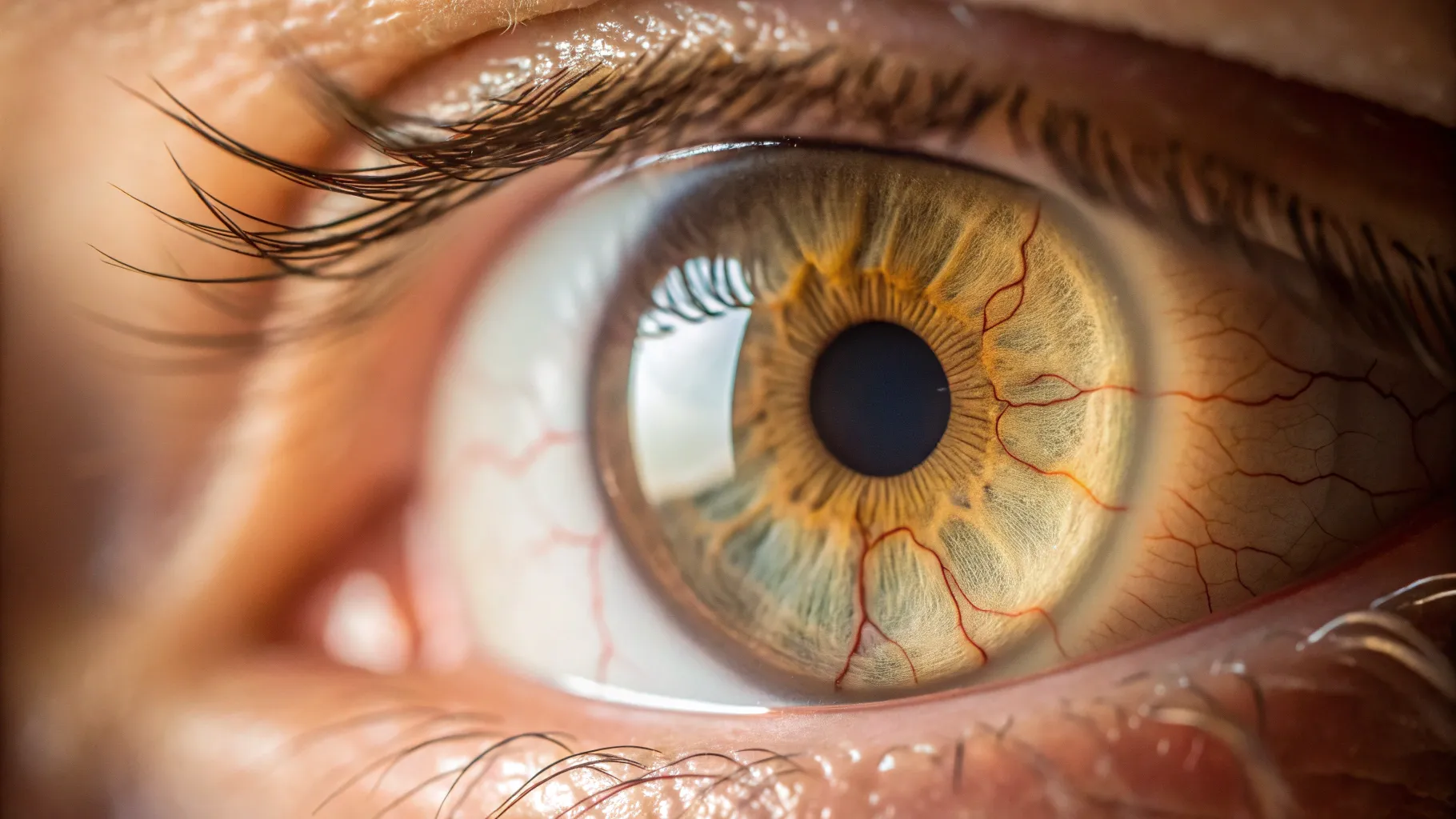
Many people occasionally notice small specks, spots, or cobweb-like shapes drifting in their field of vision. These are commonly known as eye floaters. While often benign, understanding common vision changes related to eye floaters is crucial for maintaining optimal eye health. These visual anomalies are typically more noticeable when looking at a plain bright background, such as a clear sky or a white wall. Though they appear to be in front of your eye, they are actually tiny shadows cast on the retina by small clumps of cells or protein within the vitreous humor – the gel-like substance that fills the inside of your eye.
What Causes Eye Floaters
The primary cause of eye floaters is a natural part of how aging affects the eyes and vision clarity. As we age, the vitreous humor, which is a clear, gel-like substance that fills the back two-thirds of the eyeball, begins to liquefy and shrink. This process causes microscopic fibers within the vitreous to clump together, forming strands that cast shadows on the retina, which we perceive as floaters. Other factors can also contribute, such as eye trauma, inflammation within the eye, or complications from eye surgery. Less commonly, floaters can be a symptom of more serious conditions like retinal detachment or bleeding in the eye.
Distinguishing Between Normal Floaters and Urgent Concerns
While most eye floaters are harmless and require no treatment, it’s vital to differentiate between typical age-related changes and signs that warrant immediate medical attention. A sudden increase in the number of floaters, especially if accompanied by flashes of light, could indicate a retinal tear or detachment. This is a medical emergency that requires prompt intervention to prevent permanent vision loss. Similarly, new floaters after eye trauma or those associated with pain or loss of peripheral vision should be evaluated by an eye care professional.
Proactive Steps for Eye Health and Early Detection
Ways to maintain healthy eyesight and detect early issues involve regular comprehensive eye exams, especially as you get older. These examinations allow an ophthalmologist to dilate your pupils and thoroughly inspect the back of your eye, including the retina and vitreous. During these visits, you can discuss any changes in your vision, including the appearance of new or changing floaters. Protecting your eyes from injury by wearing appropriate eyewear during sports or hazardous activities is also crucial. A balanced diet rich in antioxidants, omega-3 fatty acids, and vitamins C and E can also support overall eye health.
When to See an Eye Doctor for Floaters
- If you experience a sudden onset of new floaters.
- If new floaters are accompanied by flashes of light.
- If you notice a shadow or curtain obscuring part of your vision.
- If floaters appear after eye trauma or surgery.
- If you have any significant concern about changes in your vision.
Frequently Asked Questions
Can eye floaters go away on their own?
Many floaters do not completely disappear but often become less noticeable over time as they settle or drift out of the central field of vision. The brain also tends to adapt and ignore them.
Are eye floaters a sign of a serious eye condition?
While most eye floaters are benign, a sudden increase in floaters or their appearance with light flashes can indicate a serious condition like retinal detachment, requiring immediate medical attention.