How Dental Prosthetics Work: Guide to Restoration Options
Understanding Dental Prosthetics: A Guide to Restoration Options
Dental prosthetics, often referred to as dental replacement devices, represent a crucial branch of dentistry dedicated to restoring oral function, aesthetics, and health for individuals who have lost teeth or oral structures due to trauma, disease, or decay. These innovative solutions go beyond mere cosmetic enhancements; they are fundamental to chewing efficiency, clear speech, and maintaining the structural integrity of the jawbone. Understanding the various dental prosthetic types available is the first step toward reclaiming a healthy, confident smile. Modern advances in materials and techniques have revolutionized the field, offering more comfortable, durable, and natural-looking dental restoration options than ever before, ensuring that every patient can find a solution tailored to their specific needs and lifestyle.
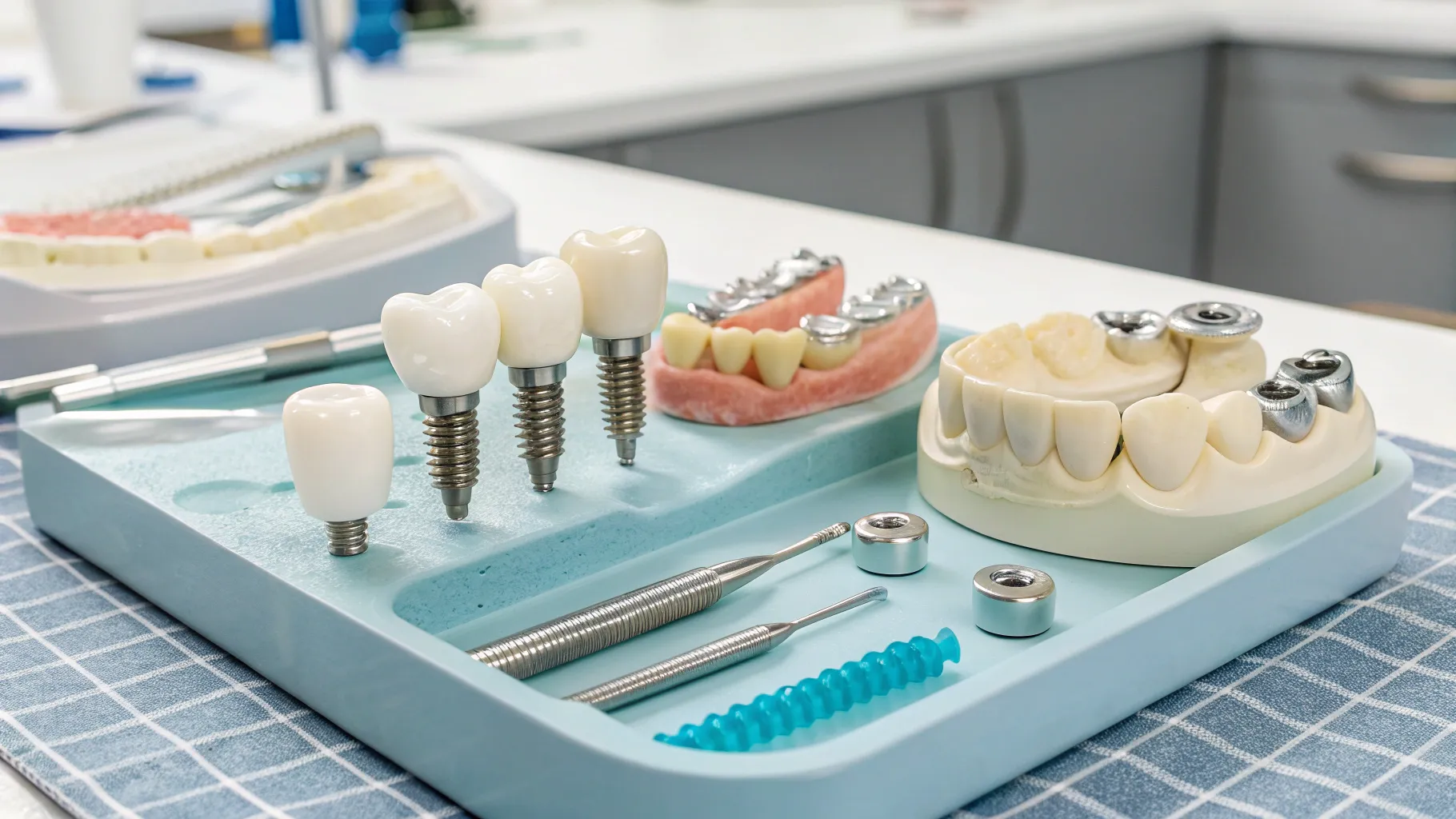
Different Dental Prosthetic Types
The world of dental prosthetics is diverse, offering a range of solutions to address various degrees of tooth loss. Each of the different dental prosthetic types has its own unique advantages and applications, designed to meet specific patient requirements. From traditional removable appliances to advanced fixed options, the choice of dental replacement devices is a personalized journey that considers oral health, bone density, and individual preferences. Understanding these categories is essential for anyone considering dental restoration options.
Removable Dental Prosthetic Types
Removable dental prosthetics are designed to be taken out of the mouth for cleaning and at night. The most common examples include partial dentures and complete dentures. Partial dentures are used when some natural teeth remain, filling the gaps left by missing teeth and preventing adjacent teeth from shifting. Complete dentures, on the other hand, are utilized when all teeth in an arch are missing. While traditional, these dental replacement devices continue to be a viable and cost-effective solution for many, offering significant improvements in chewing and speech, though they may require an adjustment period to get used to their feel and fit.
Fixed Dental Prosthetic Types
Fixed dental prosthetics are permanently attached to existing teeth or dental implants, offering superior stability and a more natural feel compared to removable options. This category includes dental crowns, bridges, and implant-supported restorations. Dental crowns cap damaged teeth, restoring their shape, size, strength, and appearance. Dental bridges span the gap created by one or more missing teeth, anchored by crowns on the natural teeth or implants on either side of the gap. Implant-supported dental prosthetics, such as crowns, bridges, or even full arch dentures, are surgically anchored into the jawbone, providing the most secure and long-lasting dental restoration options, closely mimicking natural teeth in both function and aesthetics. These options are often a central part of a comprehensive prosthetic dentistry overview.
Choosing the Right Dental Restoration Options: A Comparison
Deciding between the various dental restoration options requires careful consideration of several factors, including cost, durability, aesthetics, and the patient's overall oral health. For instance, while traditional dentures are generally more affordable, implant-supported dental prosthetics offer unparalleled stability and bone preservation benefits. Dental bridges provide a fixed solution without surgery but require modification of adjacent healthy teeth. When evaluating different dental prosthetic types, it's crucial to consult with a dental professional who can provide a tailored prosthetic dentistry overview, comparing the pros and cons of each option based on your unique circumstances. Considerations such as the number of missing teeth, the health of remaining teeth and gums, and bone density play a significant role in determining the most suitable dental replacement devices.
The Process of Receiving Dental Replacement Devices
The journey to receiving dental replacement devices is a multi-step process, meticulously planned and executed by your dental team to ensure optimal results. It typically begins with a thorough examination, including X-rays and impressions, to assess your oral health and determine the most appropriate dental prosthetic types. For options like dental implants, this involves surgical placement and a healing period, followed by the attachment of the prosthetic. For bridges and crowns, the preparation involves shaping the existing teeth. Custom fabrication of your dental prosthetics in a lab ensures a precise fit and natural appearance. Throughout this process, patient education and comfort are paramount, ensuring a smooth transition to your new dental restoration options and a successful outcome that integrates seamlessly into your life.
Maintaining Your Prosthetic Dentistry Overview for Longevity
Proper maintenance is crucial for the longevity and effectiveness of all dental prosthetics. Regardless of the dental prosthetic types chosen, a consistent oral hygiene routine is non-negotiable. This includes regular brushing and flossing for natural teeth and gums, as well as specific cleaning protocols for your dental replacement devices. For removable dentures, this means daily cleaning with specialized brushes and solutions, and soaking them as recommended. For fixed prosthetics like crowns, bridges, and implants, meticulous brushing and interdental cleaning are essential to prevent plaque buildup and gum disease around the restorations. Regular dental check-ups are also vital, allowing your dentist to monitor the condition of your dental prosthetics and address any issues promptly, ensuring your investment in dental restoration options continues to serve you well for many years.
Innovations in Prosthetic Dentistry Overview
The field of prosthetic dentistry overview is continuously evolving, driven by technological advancements and material science. Recent innovations have dramatically improved the comfort, aesthetics, and durability of dental prosthetics. Digital dentistry, including CAD/CAM technology, allows for more precise planning and fabrication of dental prosthetic types, reducing patient visits and improving fit. New biocompatible materials, such as zirconia and advanced ceramics, offer superior strength and a more natural appearance for various dental restoration options. Furthermore, advancements in implantology, such as immediate load implants and guided surgery, have made the process of receiving dental replacement devices faster and more predictable. These ongoing innovations ensure that patients have access to the most advanced and effective solutions for restoring their oral health.
Frequently Asked Questions
What are the main advantages of modern dental prosthetics?
Modern dental prosthetics offer significant advantages including improved chewing ability, clearer speech, enhanced aesthetics, and prevention of facial structure changes. They restore confidence and overall oral health, providing durable and natural-looking dental replacement devices tailored to individual needs.
How long do different dental prosthetic types typically last?
The lifespan of dental prosthetic types varies. Removable dentures may last 5-10 years, while fixed bridges and crowns can last 10-15 years or more with proper care. Dental implants, which support many dental restoration options, can last a lifetime with excellent oral hygiene and regular dental check-ups.
Is the process of getting dental replacement devices painful?
The process of getting dental replacement devices is generally not painful due to modern anesthetic techniques. While some procedures, like implant placement, involve minor surgery, discomfort is managed with local anesthesia and post-procedure pain medication. Your dental team prioritizes your comfort throughout your prosthetic dentistry overview.