Discover How Dental Dentures Work and Their Purpose
A Guide to Dental Dentures: Types and Functions Explained
Losing teeth can significantly impact one's quality of life, affecting everything from eating and speaking to self-confidence. Fortunately, modern dentistry offers quality solutions, with dental dentures standing out as a versatile and widely adopted choice. These remarkable prosthetic dental devices are custom-made to replace missing teeth and surrounding gum tissue, restoring both function and aesthetics to your smile. Understanding the various types of dentures and the comprehensive denture options overview is crucial for anyone considering this path to a healthier, more confident future, especially those seeking effective solutions for dentures for missing teeth.
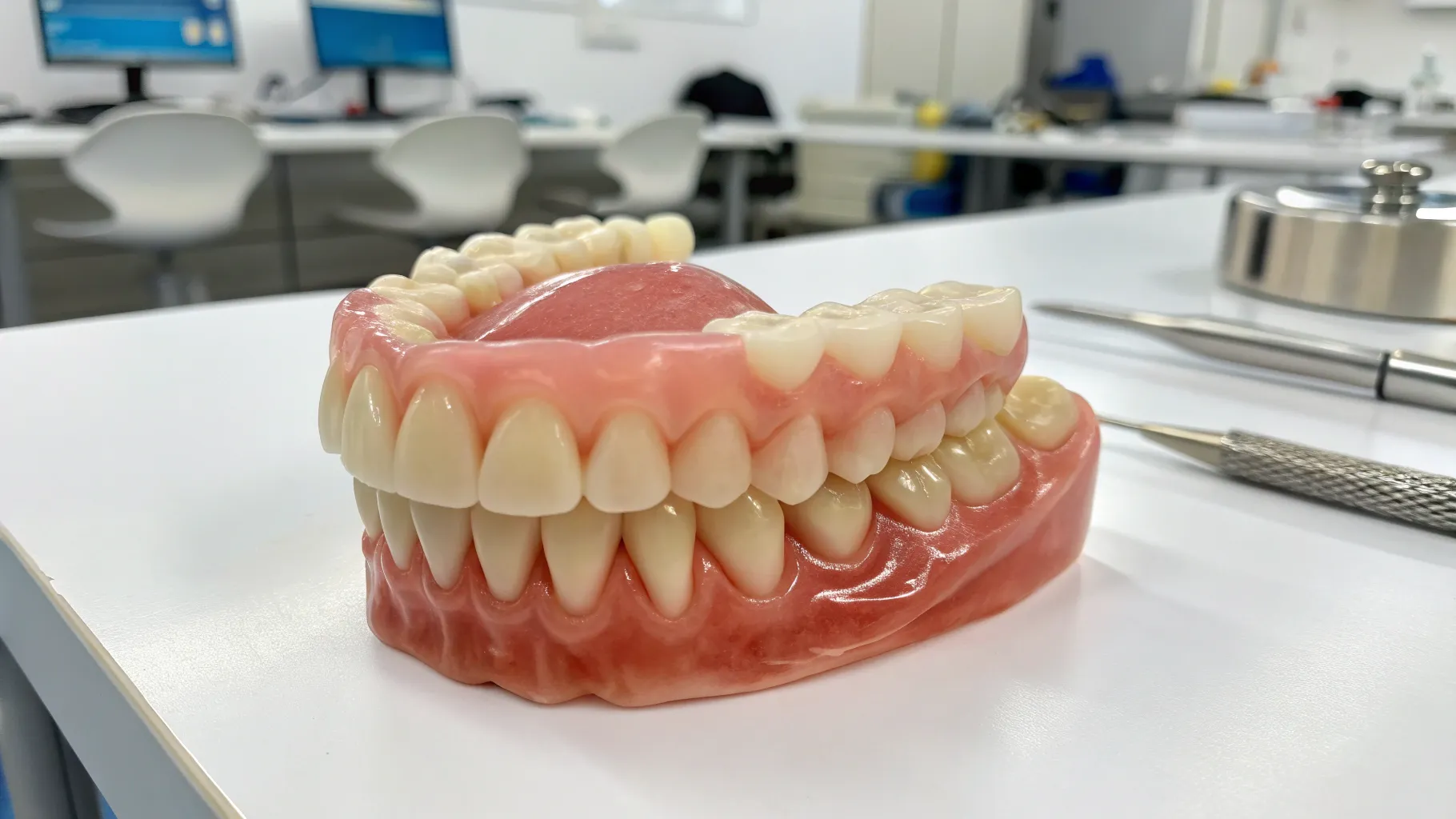
Types of Dentures: A Detailed Denture Options Overview
When considering dental dentures, it's important to recognize that a single solution does not fit all. There is a diverse range of types of dentures available, each designed to address specific needs and preferences. This detailed denture options overview will help you understand the characteristics of each, ensuring you make an informed decision regarding the best prosthetic dental devices for your individual situation, particularly for dentures for missing teeth.
Complete Dental Dentures
Complete dental dentures are utilized when all natural teeth in either the upper or lower arch (or both) are missing. These full sets of prosthetic dental devices are typically made from an acrylic base that is colored to resemble gum tissue, with artificial teeth that look remarkably natural. They can be either 'conventional' – made after remaining teeth are extracted and tissues have healed, which can take several months – or 'immediate' – placed immediately after tooth extraction. The primary benefit of conventional complete dental dentures is that they offer a more precise fit after the healing period, leading to better long-term comfort and stability. Immediate dentures, while offering the advantage of not going without teeth during the healing process, often require adjustments later on.
Partial Dental Dentures
Unlike complete dentures, partial dental dentures are used when one or more natural teeth remain in the upper or lower jaw. These prosthetic dental devices consist of replacement teeth attached to a gum-colored plastic base, which is then connected by a metal framework or other more flexible connectors that hold the denture in place. Partial dentures prevent remaining natural teeth from shifting positions, thereby preserving the overall structure and health of your mouth. They are a practical solution for dentures for missing teeth when some natural teeth can still be saved, providing stability and maintaining existing bite alignment effectively.
Immediate Dentures
As mentioned, immediate dental dentures are a specific type of complete or partial denture inserted on the same day that natural teeth are removed. This allows patients to avoid the embarrassment of going without teeth during the healing period. However, as the jawbone and gums heal, they shrink and change shape, necessitating several relines or adjustments to the immediate dentures. Eventually, a new set of conventional prosthetic dental devices or a permanent reline of the immediate denture will be required once the healing process is complete. This option is excellent for immediate aesthetic and functional needs but requires more follow-up appointments.
Implant-Supported Dentures
For individuals seeking enhanced stability and retention, implant-supported dental dentures are an excellent option. These prosthetic dental devices attach to dental implants that are surgically placed into the jawbone. The implants act as anchors, preventing the dentures from shifting or slipping, which is a common concern with traditional removable dentures. This type offers superior chewing efficiency, improved speech clarity, and a feeling much closer to natural teeth. Implant-supported dentures for missing teeth significantly improve patient comfort and confidence, making them a premium choice in the denture options overview.
Flexible Dentures
Flexible dental dentures are made from a thermoplastic material that is thinner, more lightweight, and much more flexible than traditional acrylic. These prosthetic dental devices do not require the metal clasps often seen with partial dentures, instead using a translucent, gum-colored material that blends seamlessly with the natural gum tissue. They are known for their comfort and aesthetic appeal, often being a preferred choice for patients who are allergic to acrylic or nickel, or those seeking a less invasive and more comfortable fit for their dentures for missing teeth. Their flexibility makes them less prone to breaking and often easier to adapt to.
Choosing the Right Prosthetic Dental Devices: A Comparison
Navigating the various types of dentures requires a careful consideration of individual needs, lifestyle, and budget. Traditional complete and partial dental dentures offer cost-effective and time-tested solutions for dentures for missing teeth, providing reliable function and aesthetics. However, they may require adhesive for retention and can sometimes slip, affecting speech and eating. On the other hand, implant-supported prosthetic dental devices offer unparalleled stability and comfort, closely mimicking natural teeth, but come with a higher initial cost and require surgical procedures. Flexible dentures present an excellent middle ground, offering enhanced comfort and aesthetics without metal clasps, though they may not be suitable for all cases of extensive tooth loss. Each option in this denture options overview has its unique advantages and disadvantages, making a detailed consultation with your dentist essential to determine the most appropriate and beneficial solution for your oral health needs.
Living with Dentures: Care and Adaptation
Once you have chosen your ideal dental dentures, proper care and adaptation are paramount to ensuring their longevity and your comfort. These prosthetic dental devices require diligent daily cleaning and maintenance, much like natural teeth, to prevent bacterial buildup and maintain oral hygiene. Learning to eat and speak with your new dentures for missing teeth takes time and practice, but with patience, you can regain full functionality and confidence. Regular dental check-ups are also crucial to monitor the fit of your types of dentures and ensure the ongoing health of your gums and remaining natural teeth, especially as your oral structures can change over time.
- Daily Cleaning: Always remove your dental dentures at night and clean them thoroughly using a soft-bristled brush and a non-abrasive denture cleanser. This prevents the accumulation of plaque and food particles, which can lead to gum irritation and odors. Rinsing them after every meal also helps to keep them fresh.
- Proper Storage: Store your prosthetic dental devices in water or a mild denture-soaking solution when not in use. This prevents them from drying out and losing their shape, which can compromise their fit and comfort. Never use hot water, as it can cause warping.
- Oral Hygiene: Even without natural teeth, it’s vital to maintain good oral hygiene. Gently brush your gums, tongue, and the roof of your mouth every morning with a soft-bristled brush before inserting your dental dentures. This stimulates circulation and helps remove plaque.
- Dietary Adjustments: Initially, start with soft foods cut into small pieces. Gradually reintroduce harder foods as you become more comfortable with your dentures for missing teeth. Avoid extremely sticky or hard foods that can dislodge or damage your types of dentures.
- Regular Dental Check-ups: Schedule regular appointments with your dentist. They will check the fit of your dental dentures, examine your oral tissues for any signs of irritation or disease, and make any necessary adjustments or relines. This is critical for the long-term success and comfort of your prosthetic dental devices.
Frequently Asked Questions
How long do dental dentures last?
With proper care and regular adjustments, dental dentures typically last between 5 to 10 years. Over time, your mouth naturally changes shape, which can affect the fit of your prosthetic dental devices, necessitating relining, rebasing, or replacement. Regular dental check-ups are crucial to assess their condition and fit.
Can I sleep with my dentures for missing teeth?
While it might seem convenient, it is generally recommended to remove your dental dentures at night. This gives your gum tissues a chance to rest and recover from the pressure of the dentures. It also helps in preventing the growth of bacteria and fungi, maintaining better oral hygiene.
Are there different types of dentures materials?
Yes, the types of dentures can vary by material. Traditional dentures are often made from acrylic resin. Flexible dentures use a thermoplastic material like nylon. Metal frameworks are used in some partial dentures. Each material offers different advantages in terms of durability, aesthetics, and comfort, contributing to the comprehensive denture options overview available today.