Why Bladder Control Patches Are Used for Managing Bladder
Understanding Bladder Control Patches: How They Work
Many individuals experience occasional or frequent bladder leakage, a condition that can significantly impact daily life. Fortunately, innovative solutions like bladder control patches offer a discreet and often effective way to manage these challenges. These transdermal patches are designed to deliver medication directly through the skin, targeting the specific muscles and nerves responsible for bladder function. Understanding how bladder control patches work is the first step toward exploring whether they are a suitable option for you.
Exploring Conditions Bladder Control Patches Can Help
Bladder control patches are primarily designed to assist with various forms of urinary incontinence. They are often prescribed or recommended for individuals experiencing overactive bladder (OAB) symptoms, such as urgency, frequency, and urge incontinence. Additionally, some people find relief for stress incontinence, though the primary mechanism is often geared towards muscle relaxation and nerve modulation. For many, especially bladder control patches for seniors, these solutions provide a non-invasive alternative to oral medications or more intensive treatments, offering improved quality of life and reduced reliance on absorbent products.
Mechanism of Action: How They Work
At their core, bladder control patches work by slowly releasing medication through the skin and into the bloodstream. This transdermal delivery system ensures a consistent dosage over time, avoiding the peaks and troughs associated with oral medications. The active ingredients typically work by relaxing the bladder muscles or by blocking certain nerve signals that trigger involuntary contractions. This leads to a reduction in urgency and frequency, helping individuals regain better control over their bladder. This method is particularly beneficial for those who experience side effects from oral medications or find it difficult to remember daily pill regimens.
Bladder Leakage Patches for Women: Specific Considerations
Urinary incontinence is a common concern among women, often exacerbated by childbirth, hormonal changes, and menopause. Bladder leakage patches for women are formulated to address these specific needs, offering a discreet and effective way to manage symptoms without the need for daily oral medication. Their subtle design allows them to be worn comfortably under clothing, providing continuous treatment throughout the day or night. This convenience, combined with their targeted action, makes them a popular choice for women seeking to maintain an active lifestyle without the constant worry of leaks.
Navigating Over-the-Counter Bladder Control Patches
The availability of over-the-counter bladder control patches has made this treatment option more accessible to a wider audience. While prescription patches often contain stronger doses or specific formulations, OTC options provide a convenient starting point for those with milder symptoms or who prefer to explore non-prescription remedies first. It's crucial, however, to carefully read product labels, understand the active ingredients, and consult with a healthcare professional to ensure the chosen patch is appropriate for your specific condition and medical history. Self-assessment and professional guidance are key to effective management.
Maximizing Comfort with Bladder Patches
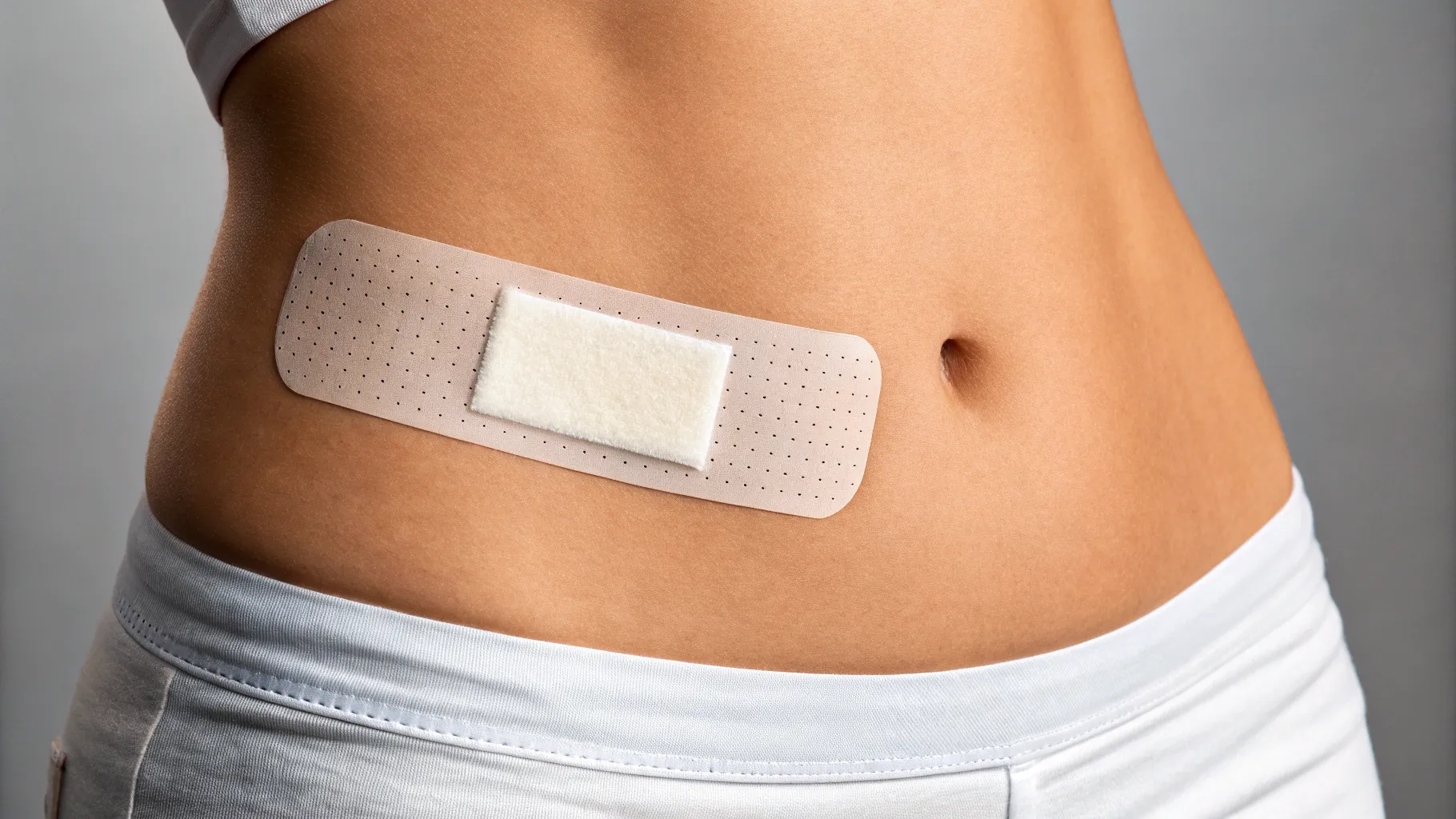
- Proper Placement: Always apply the patch to clean, dry skin on an area with minimal hair, such as the abdomen, hip, or buttocks. Rotate application sites to prevent skin irritation.
- Adherence to Instructions: Follow the manufacturer's guidelines regarding wear time and frequency of change. Do not cut or alter the patch unless explicitly instructed.
- Hydration and Diet: Maintain adequate hydration, but avoid excessive intake of bladder irritants like caffeine, alcohol, and acidic foods that can worsen symptoms.
- Consult Your Doctor: Before starting any new bladder control regimen, especially if you have underlying health conditions or are taking other medications, consult a healthcare provider to ensure safety and efficacy.
Frequently Asked Questions
Are bladder control patches safe for long-term use?
Most bladder control patches are designed for continuous use, but it's always best to discuss long-term safety and potential side effects with your healthcare provider.
Can I shower or swim with a bladder control patch on?
Many modern bladder control patches are water-resistant, allowing you to shower or swim. Always check the specific product instructions for details on water exposure.
How long does it take for bladder control patches to start working?
Some individuals may notice improvements within a few days, while for others, it might take a couple of weeks to experience the full benefits. Consistency in application is key.