Understanding Pet Odor Causes and Removal Methods
Facts:
- 9 out of 10 pet owners deal with pet odors.
- Enzyme cleaners are a top trend in pet odor control for active families.
Mastering Pet Odor Removal Tips for the Home: Reclaiming Freshness
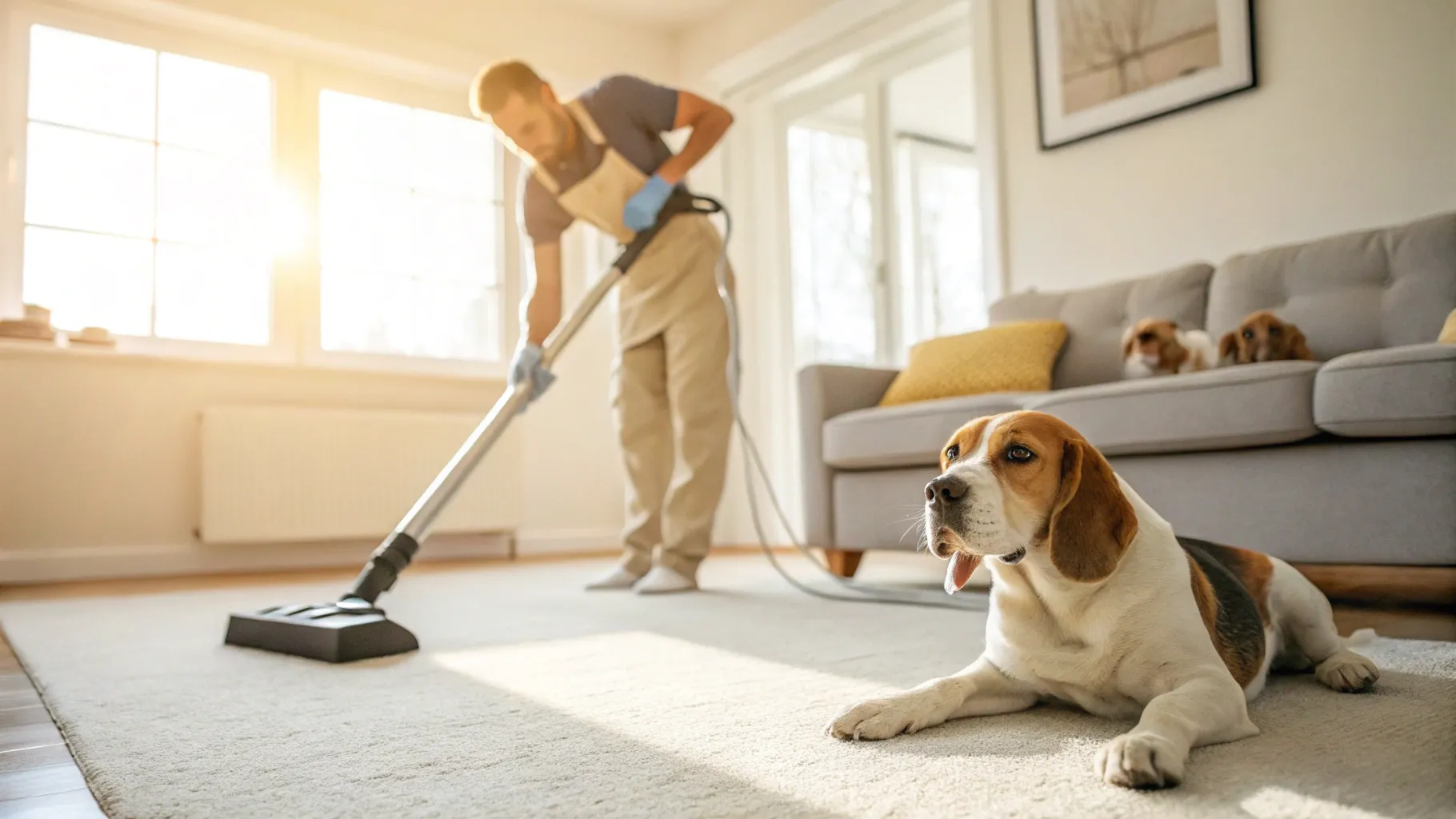
Living with pets brings immense joy, but it often comes with the unwelcome challenge of persistent pet odors. Successfully implementing pet odor removal tips for the home is crucial for maintaining a clean and inviting environment, ensuring both human comfort and a healthy space for your beloved animals. This comprehensive guide will delve into effective strategies for removing pet smells indoors, offering practical advice and innovative home pet odor solutions to help you achieve lasting freshness throughout your household. From understanding the sources of odors to advanced cleaning techniques, we'll equip you with the knowledge to tackle even the most stubborn smells, making household pet odor removal a manageable task.
Understanding Pet Odors and Their Sources
Before diving into specific pet odor removal tips for the home, it's essential to understand where these pervasive smells originate. Pet odors primarily stem from urine, feces, dander, saliva, and natural oils present in their fur. Urine, in particular, poses a significant challenge because it contains uric acid crystals that become more pungent when exposed to humidity. These crystals bind to surfaces, making conventional cleaning methods often insufficient for true pet odor control. Additionally, bacteria thrive in damp, soiled areas, exacerbating unpleasant smells. Identifying the precise source of the odor, whether it's a hidden urine stain on a rug or dander buildup in upholstery, is the first critical step toward effective removing pet smells indoors.
Essential Cleaning Strategies for Lasting Freshness
Household pet odor removal requires a multi-faceted approach, combining thorough cleaning with targeted odor neutralization. Relying solely on air fresheners only masks the problem; true freshness comes from eliminating the source. These strategies are vital for any comprehensive set of pet odor removal tips for the home.
Deep Cleaning Carpets and Upholstery
Carpets and upholstered furniture are notorious for trapping pet odors. Regular vacuuming helps, but it’s not enough. For thorough pet odor control in these areas, consider investing in or renting a carpet cleaner. Use a high-quality enzymatic cleaner specifically designed to break down organic matter like pet urine and dander. Saturate the affected area, allowing the solution to penetrate deep into the fibers, then extract thoroughly. Repeat if necessary. For smaller stains, a portable spot cleaner with an enzyme formula can be a lifesaver, providing immediate relief and preventing odors from setting in, thereby contributing significantly to removing pet smells indoors.
Tackling Hard Surfaces and Furniture
Hard surfaces such as tile, hardwood floors, and even solid wood furniture can also absorb pet odors, especially from urine splashes or dander. For these areas, a simple solution of white vinegar and water (1:1 ratio) can be incredibly effective. Vinegar is a natural deodorizer and disinfectant that neutralizes odors rather than just covering them up. After cleaning the surface, ensure it is completely dry to prevent mold or mildew. For sealed wood floors, use caution and test a small, inconspicuous area first. Regular wiping down of baseboards and walls with an odor-neutralizing cleaner is also a key part of effective home pet odor solutions.
Laundry Solutions for Pet-Scented Fabrics
Pet bedding, blankets, and even your clothes can quickly accumulate pet odors. To combat this, add a cup of white vinegar or a specialized pet odor eliminator to your washing machine during the rinse cycle. Hot water generally helps kill odor-causing bacteria, but always check fabric care labels. For heavily soiled items, a pre-soak in an enzyme-based solution can make a significant difference in household pet odor removal. Washing these items frequently, at least once a week, prevents odor buildup and keeps your home smelling fresh, a fundamental component of proactive pet odor control.
Natural & DIY Solutions for Persistent Smells
While commercial products are effective, many natural and DIY solutions can also be powerful tools in your arsenal of pet odor removal tips for the home. These methods are often cost-effective, non-toxic, and readily available, providing excellent home pet odor solutions for everyday use.
The Power of Baking Soda
Baking soda is a renowned natural deodorizer. Sprinkle a generous amount over carpets, rugs, and even upholstered furniture. Allow it to sit for several hours, or even overnight, to absorb odors. The longer it sits, the more effective it is at neutralizing smells. Afterward, thoroughly vacuum the baking soda. This simple yet powerful method can make a noticeable difference in removing pet smells indoors, especially for general pet odors and dander. You can also mix baking soda with water to create a paste for scrubbing tough spots.
Vinegar's Versatility in Odor Neutralization
White vinegar is a miracle worker for pet odor control. As mentioned, a diluted solution is great for hard surfaces. For fabrics, a spray bottle filled with equal parts water and white vinegar can be used to lightly mist pet beds, furniture, or even air to neutralize odors. The vinegar smell dissipates as it dries, leaving no residue but a much fresher scent. Be sure to test on an inconspicuous area first to ensure colorfastness. Its acidic nature breaks down alkaline odor molecules, making it an indispensable part of household pet odor removal.
Enzyme Cleaners: A Targeted Approach
While often sold commercially, enzyme cleaners utilize natural biological processes. They contain beneficial bacteria that produce enzymes. These enzymes break down organic waste matter (like urine proteins, fats, and uric acid) into smaller particles that the bacteria can then 'eat' or neutralize. This process completely eliminates the source of the odor rather than just masking it, making them incredibly effective for deep-seated stains and odors. They are paramount among pet odor removal tips for the home for tackling urine-related issues.
Tools and Products for Stubborn Odors
For particularly stubborn or lingering odors, or for those seeking extra layers of defense, specialized tools and products offer advanced home pet odor solutions. These go beyond basic cleaning to provide enhanced pet odor control.
Air Purifiers and Deodorizers
High-efficiency particulate air (HEPA) filters in air purifiers can trap pet dander and other allergens, while activated carbon filters can absorb gaseous odors, significantly improving air quality and helping with removing pet smells indoors. Placement in high-traffic pet areas or bedrooms can make a substantial difference. Additionally, electric room deodorizers that use dry odor eliminators, rather than sprays, can provide continuous odor neutralization without introducing overwhelming artificial scents, enhancing your overall household pet odor removal strategy.
UV Blacklights for Spotting Hidden Stains
Pet urine, especially cat urine, can be invisible to the naked eye once dried, making it difficult to pinpoint the source of a lingering odor. A UV blacklight flashlight can reveal dried urine stains by causing them to fluoresce in the dark. Once identified, these hidden stains can be properly treated with an enzyme cleaner, ensuring that no potential odor sources are missed. This tool is invaluable for thorough pet odor removal tips for the home, allowing for precise and effective cleaning.
Preventive Measures for Long-Term Pet Odor Control
The best strategy for removing pet smells indoors is prevention. Implementing these proactive measures will minimize the occurrence of odors and make regular cleaning much easier, solidifying your comprehensive approach to pet odor removal tips for the home.
- Regular Grooming: Brush your pets frequently to remove loose fur and dander, which are major contributors to household odors. Regular baths with pet-friendly shampoos also help control body odors and keep their coats clean, reducing the overall amount of odor-causing substances introduced into your home, a simple yet effective home pet odor solution.
- Immediate Cleanup: Address accidents immediately. The quicker you clean up urine or feces, the less likely the odor will set into carpets or upholstery. Always use appropriate cleaners to ensure thorough removal and neutralization, preventing long-term odor issues and aiding household pet odor removal.
- Designating Pet Zones: Use washable rugs or waterproof mats in areas where your pets spend a lot of time, especially near their eating and sleeping spots. This creates easily cleanable zones, containing potential messes and making routine pet odor control much more efficient.
- Proper Ventilation: Ensure good air circulation in your home. Open windows regularly, use exhaust fans in bathrooms and kitchens, and consider ceiling fans to help dissipate odors and bring in fresh air. Good ventilation is a passive but powerful element of removing pet smells indoors.
- Regular Bedding Washing: Your pet's bed is a significant source of odor buildup. Wash all pet bedding, blankets, and plush toys regularly using an odor-neutralizing detergent. This simple habit will dramatically reduce overall pet smells and is a cornerstone of effective pet odor removal tips for the home.
Frequently Asked Questions
What is the best way to remove old pet urine smell from carpets as part of pet odor removal tips for the home?
The best way is to use an enzymatic cleaner specifically formulated for pet urine. These cleaners break down the uric acid crystals that cause the persistent odor. Apply generously, allow it to soak for the recommended time (often 10-20 minutes or longer), and then blot or extract. You may need multiple applications for very old stains.
Are air fresheners enough for effective pet odor control?
No, air fresheners only mask pet odors temporarily and do not eliminate the source. For true pet odor control, you must clean the affected surfaces thoroughly using appropriate odor-neutralizing solutions like enzymatic cleaners, baking soda, or vinegar to break down and remove the odor-causing molecules.
How often should I clean my pet's bedding for household pet odor removal?
For optimal household pet odor removal, pet bedding should be washed at least once a week, or more frequently if your pet is prone to accidents or spends a lot of time on their bed. Regular washing prevents odor buildup and ensures a fresh environment for both you and your pet.