Understanding Symptoms and Indicators of Eye Diseases
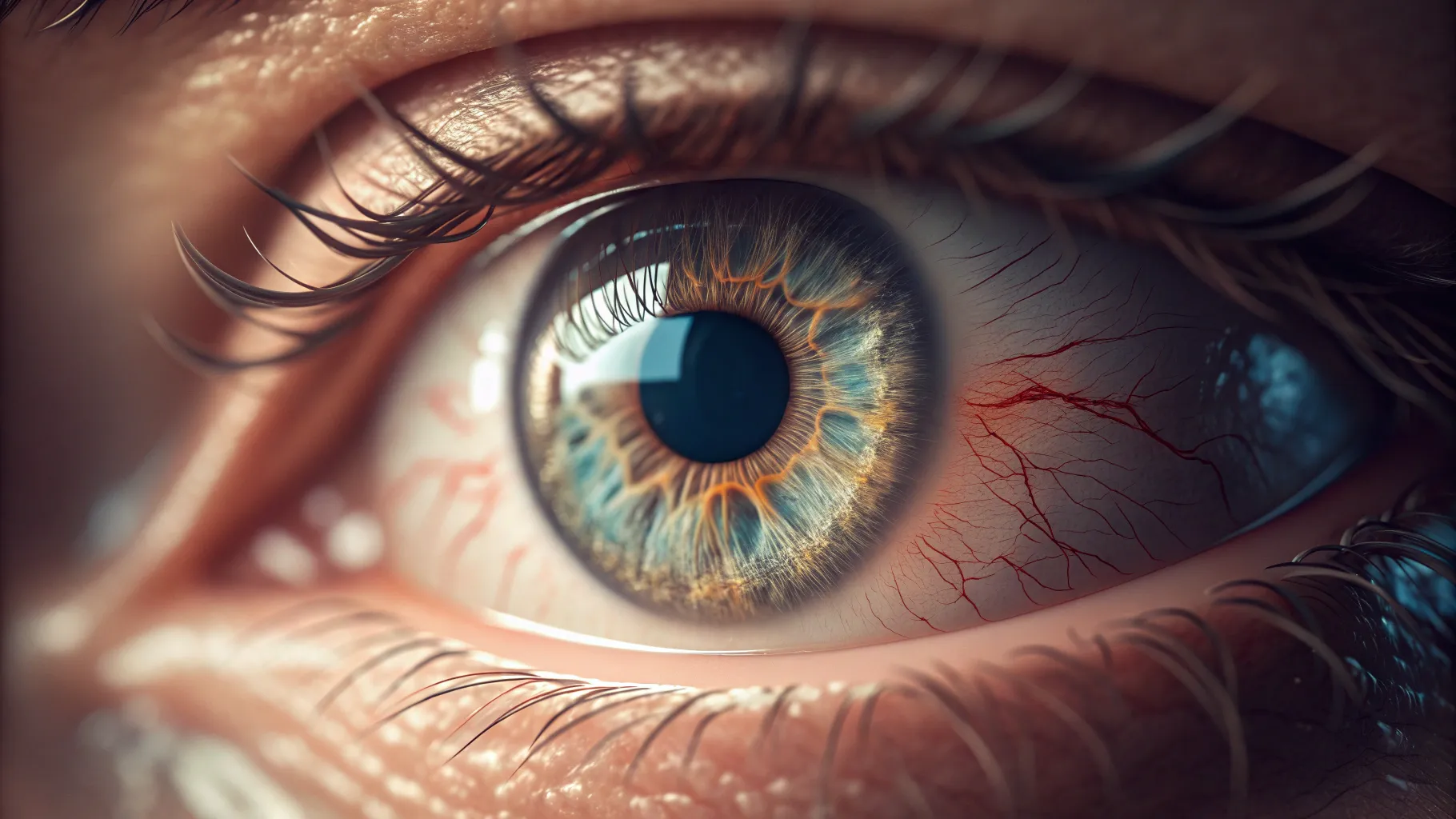
Discover How Symptoms Indicate Eye Health Issues
Your eyes are intricate organs responsible for processing visual information and connecting you to the world around you. Despite their complexity, eyes are vulnerable to numerous diseases that can impair vision and overall eye health. Identifying the symptoms of eye disease plays a crucial role in early detection and prompt medical care. Increased awareness of these warning signs helps prevent significant damage and supports long-term eye function. However, many people still lack knowledge about the common symptoms their eyes might show before serious conditions develop.
Recognizing Key Eye Health Issues You Should Understand
The first step in maintaining good eye health is recognizing the early signs of eye problems. Often, symptoms can be subtle but may indicate a severe underlying condition. Here are some common symptoms that should prompt a consultation with an eye care professional:
- Blurred Vision: A common symptom experienced by many. Temporary blurriness can be related to fatigue or dryness, but persistent blurriness could signal conditions like cataracts or glaucoma.
- Visual Disturbances: Seeing flashes of light, blind spots, or floaters can indicate retinal detachment or other serious issues that require immediate attention.
- Eye Discomfort: If you frequently feel discomfort, itchiness, or burning sensations, it could be a sign of dry eyes, allergies, or eye infections.
- Hazy Vision: This may happen gradually, especially for those developing cataracts. Hazy vision can also stem from corneal issues and should be evaluated by a professional.
- Difficulty with Night Vision: Struggling to see in low light can indicate a variety of issues, from simple nearsightedness to underlying retinal problems.
- Changes in Color Perception: If you notice a change in how colors appear or if they seem less vibrant, it can hint at vision-related diseases.
- Headaches: Frequent headaches associated with eye strain can indicate the need for vision correction, such as glasses or contact lenses.
According to the latest data from the Vision Council, approximately 61 million adults in the United States are at high risk for vision loss. Many of them may exhibit warning signs that go unrecognized. The earlier conditions like glaucoma or diabetic retinopathy are identified and treated, the better the outcomes.
Common Vision-Related Symptoms in Today’s Society
With the increased screen time experienced by most individuals today, particularly since the rise of remote work, there has been a notable uptick in complaints related to eye health. Common symptoms reported in 2025 include:
- Digital Eye Strain: Prolonged screen usage can lead to discomfort, headaches, and dry eyes, collectively known as digital eye strain. A recent survey revealed that over 70% of participants experienced symptoms attributable to their screen usage.
- Increased Sensitivity to Light: Many individuals now report increased sensitivity especially after extended use of digital devices, reflecting a growing concern for eye health in the digital age.
- Fatigue: Eye fatigue is more common in those who spend multiple hours on computers or other digital devices. Simple practices, like the 20-20-20 rule—looking at something 20 feet away for 20 seconds every 20 minutes—can help alleviate this.
Incorporating breaks and following the right ergonomic practices while using devices can reduce eye discomfort significantly. Even small changes, such as adjusting screen brightness or using blue-light-blocking filters, can make a considerable difference.
When to Seek Eye Care
It's recommended to schedule regular eye exams, ideally every one to two years, depending on your age and risk factors. If you experience any alarming symptoms, do not wait for your next scheduled exam. For instance, if you encounter sudden changes in vision or intense pain, it may be indicative of serious conditions like a retinal tear or acute glaucoma, demanding immediate medical attention.
In 2025, healthcare professionals emphasize that early detection through routine eye exams often leads to better management of eye diseases. For example, people with diabetes are urged to have annual eye examinations, as early signs of diabetic retinopathy can often be caught before significant vision loss occurs. Guidelines recommend transitioning to diabetic eye exams once a year after a diabetes diagnosis.
Maintaining Eye Health
Preventative care is vital. Here are some actionable tips to keep your eyes healthy:
- Healthy Diet: Consume plenty of leafy greens, fruits, and fatty fish rich in omega-3 fatty acids. These nutrients can play a significant role in eye health.
- Regular Exercise: Staying active can reduce the risk of diseases like diabetes, which can lead to eye complications.
- Avoid Smoking: Smoking has been linked to an increased risk of age-related macular degeneration and other vision-related ailments.
- Use Sunglasses: Protect your eyes from harmful UV rays by wearing protective eyewear. Opt for sunglasses that block 100% of UVA and UVB rays.
In 2025, the emphasis on eye health awareness is at an all-time high, with many organizations advocating for better access to eye care resources. Remember, our eyes are precious, and understanding the symptoms of potential eye diseases can empower you to take control of your vision health today.