Why Treatment Choices Matter in Spinal Stenosis Care
Fast Facts:
- Pain Relief: Significant improvement with targeted therapies.
- Many cases of spinal stenosis develop in older adults.
Understanding and Addressing Spinal Stenosis
Spinal stenosis is a condition characterized by the narrowing of the spinal canal, which can put pressure on the spinal cord and nerves, leading to pain, numbness, or weakness. Finding the right treatment for spinal stenosis is crucial for improving quality of life and regaining mobility. This comprehensive guide explores various approaches, from conservative management to advanced interventions, helping you understand your options and make informed decisions about your care.
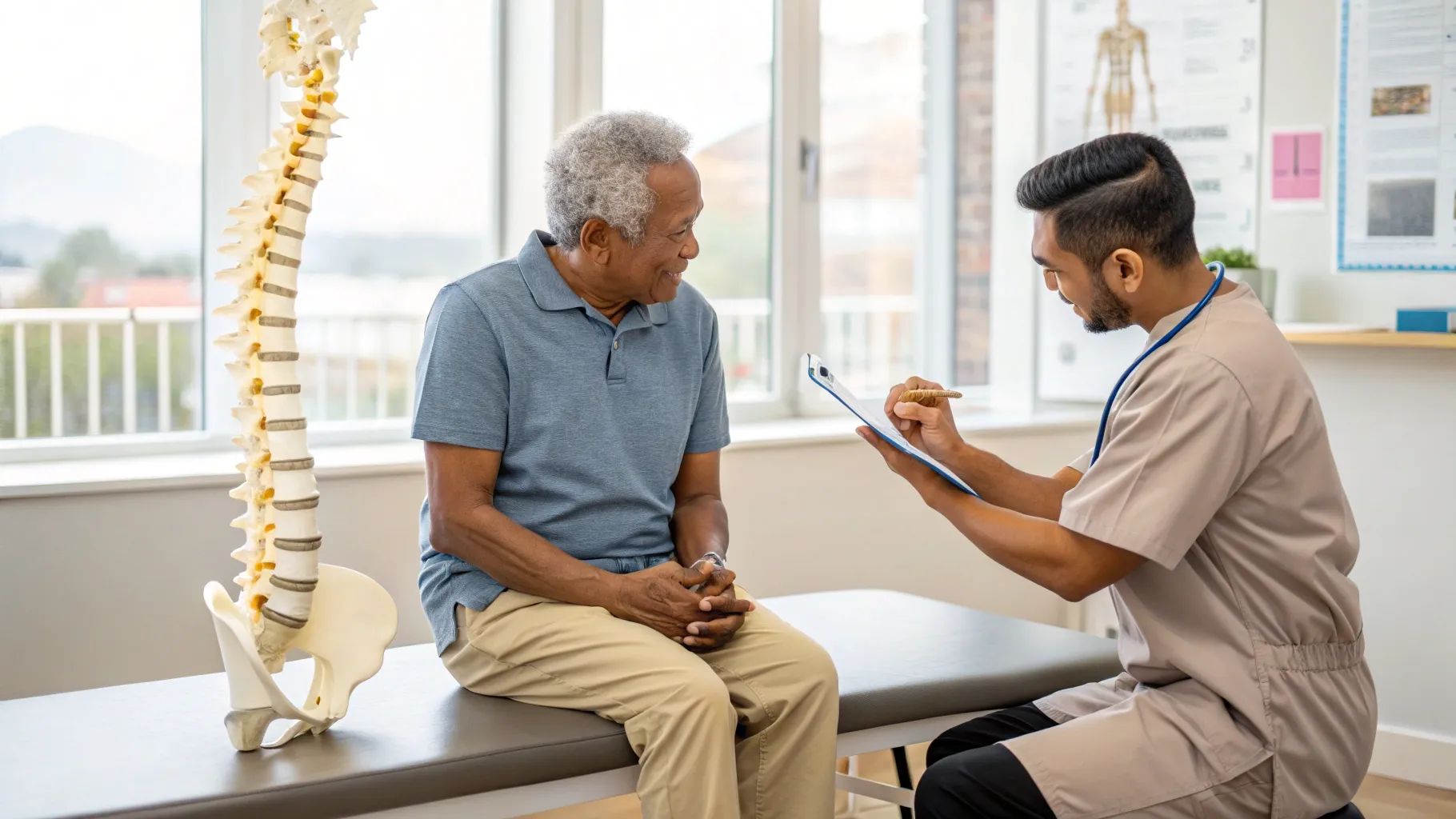
Exploring Non-Surgical Options for Spinal Stenosis
For many individuals, the initial approach to managing spinal stenosis involves a range of conservative, non-surgical options for spinal stenosis. These methods aim to alleviate symptoms, reduce inflammation, and improve functional mobility without invasive procedures. Physical therapy is often a cornerstone of this approach, focusing on exercises that strengthen core muscles, improve posture, and enhance flexibility. Modalities such as heat, ice, ultrasound, and electrical stimulation may also be incorporated to manage pain. Additionally, medication, including anti-inflammatory drugs and pain relievers, can help control discomfort and swelling. Lifestyle modifications, such as weight management and ergonomic adjustments, play a significant role in long-term symptom management.
Conservative Therapies: Injections and Bracing
Beyond standard physical therapy and medication, advanced conservative treatments can offer significant relief. Epidural steroid injections are commonly used to deliver anti-inflammatory medication directly to the affected area, reducing nerve root irritation and pain. While not a permanent cure, these injections can provide several months of relief, creating a window for patients to more effectively participate in physical therapy. Bracing or supportive devices, including walking aids for spinal stenosis patients, can also provide temporary stability and support, helping to reduce pain during daily activities and improve ambulation. It is important to discuss these options with your healthcare provider to determine the most appropriate course of action for your specific condition.
When to Consider Booking a Spine Specialist
Deciding when to book spine specialist for stenosis is a crucial step for individuals experiencing persistent or worsening symptoms. If conservative treatments haven't provided adequate relief, or if you're experiencing progressive weakness, numbness, or bladder/bowel dysfunction, it's time to seek expert evaluation. A spine specialist, such as an orthopedic surgeon or neurosurgeon specializing in spinal conditions, can offer a more in-depth diagnosis, potentially involving advanced imaging like MRI or CT scans. They can then discuss a broader spectrum of treatment options, including minimally invasive procedures or surgical interventions, if necessary. Early consultation can prevent further progression of symptoms and lead to better outcomes.
Understanding What Causes Spinal Stenosis in Older Adults
Understanding what causes spinal stenosis in older adults is essential for prevention and effective management. The most common cause is age-related degenerative changes in the spine. Over time, the discs between vertebrae can lose fluid and shrink, leading to disc bulging or herniation. Bone spurs (osteophytes) can also develop as the body tries to stabilize the aging spine. Ligaments in the spine can thicken and harden, further encroaching on the spinal canal. Conditions like osteoarthritis, rheumatoid arthritis, and spinal injuries can accelerate these degenerative processes. Less commonly, spinal tumors or congenital conditions can also lead to stenosis. Recognizing these underlying causes helps tailor appropriate treatment strategies.
Practical Steps for Managing Spinal Stenosis
- Engage in regular, low-impact exercise like swimming or cycling to maintain spinal flexibility and strength.
- Maintain a healthy weight to reduce stress on your spine.
- Practice good posture throughout the day, whether sitting, standing, or lifting.
- Use ergonomic furniture and supportive devices as needed.
- Attend all physical therapy sessions and follow prescribed home exercise programs diligently.
- Communicate openly with your healthcare team about your symptoms and any changes.
Frequently Asked Questions
Can spinal stenosis be cured completely?
While degenerative spinal stenosis cannot typically be cured, its symptoms can be effectively managed with various treatments, significantly improving quality of life.
Is walking good for spinal stenosis?
Walking can be beneficial if it doesn't exacerbate symptoms. Short, frequent walks on flat surfaces, potentially with the aid of a walker or cane, are often recommended. Listen to your body and avoid activities that cause increased pain.