Understanding Itchy Skin Concerns in Older Adults
How to Manage Itchy Skin Issues in Older Adults
Itchy skin is a common issue among older adults and can influence both daily comfort and overall quality of life. Recent observations show that a notable portion of seniors experience ongoing itching, indicating the importance of understanding its causes and possible management approaches. Several factors contribute to this condition, including natural changes in the skin that occur with aging, along with environmental elements that may worsen dryness and irritation.
What Causes Skin Irritation in Seniors?
Several physiological changes occur in our skin as we age, and one of the most primary contributors to itchy skin is a condition known as dry skin, or xerosis. The skin's oil production naturally decreases with age, leading to loss of moisture and increased sensitivity. In fact, studies have shown that elderly individuals are more prone to dry skin conditions compared to their younger counterparts because of this reduction in oil production.
Environmental factors can also play a pivotal role in skin irritation. For example, many homes rely on central heating and air conditioning, which can significantly dry out indoor air. This creates an environment where skin can become excessively dry and irritated. Some specific causes of skin irritation among seniors include:
- Skin Atrophy: This refers to the thinning and fragility of the skin as it ages, making it more susceptible to irritation and injuries.
- Medical Conditions: A variety of health issues—such as diabetes, thyroid disorders, and liver diseases—often come with itchy skin as a symptom, complicating the overall health picture for seniors.
- Allergic Reactions: With advancing age, some individuals may develop new allergies to common products such as cleaners, detergents, and even foods, resulting in dermatitis and associated itchiness.
For many older adults, the discomfort from itchy skin can disrupt sleep and lead to fatigue, significantly hindering their daily activities and affecting mental health. With itching being a common yet often overlooked issue, it is crucial for caregivers and healthcare providers to address these concerns proactively.
Identifying Itchy Skin Triggers at Home
Understanding environmental triggers for itchy skin can empower seniors to take control of their situation. A recent survey conducted amongst seniors found that 65% identified household irritants as their primary source of discomfort. This revelation serves as a call to action to create more skin-friendly living conditions for older adults.
- Harsh Soaps and Grooming Products: Many widely used soaps and shampoos are laden with fragrances and irritating chemicals. Transitioning to unscented and more moisturizing alternatives can significantly enhance comfort levels.
- Overheating: High indoor temperatures often result in increased sweating, which can irritate sensitive skin. Maintaining a more comfortable temperature and utilizing fans or air conditioning units can aid in keeping skin hydrated.
- Laundry Detergents: Products with strong perfumes and chemical additives can exacerbate skin sensitivity. Opting for hypoallergenic laundry products can serve as an effective solution to this irritating problem.
- Hard Water: Regions with hard water can experience issues such as mineral buildup on the skin, further worsening dryness. Installing water softeners can be an effective intervention, improving skin moisture levels and overall skin health.
Such a mix of irritants often perpetuates a cycle of scratching that leads to further skin damage. By identifying these sources of discomfort, older adults can take meaningful actions to improve their daily lives and skin health alike.
Manage Itchy Skin Causes
Fortunately, there are numerous effective remedies available that can help manage itchy skin. By adopting the right strategies, seniors can significantly alleviate this discomfort. Here are some approaches that have garnered favorable reports:
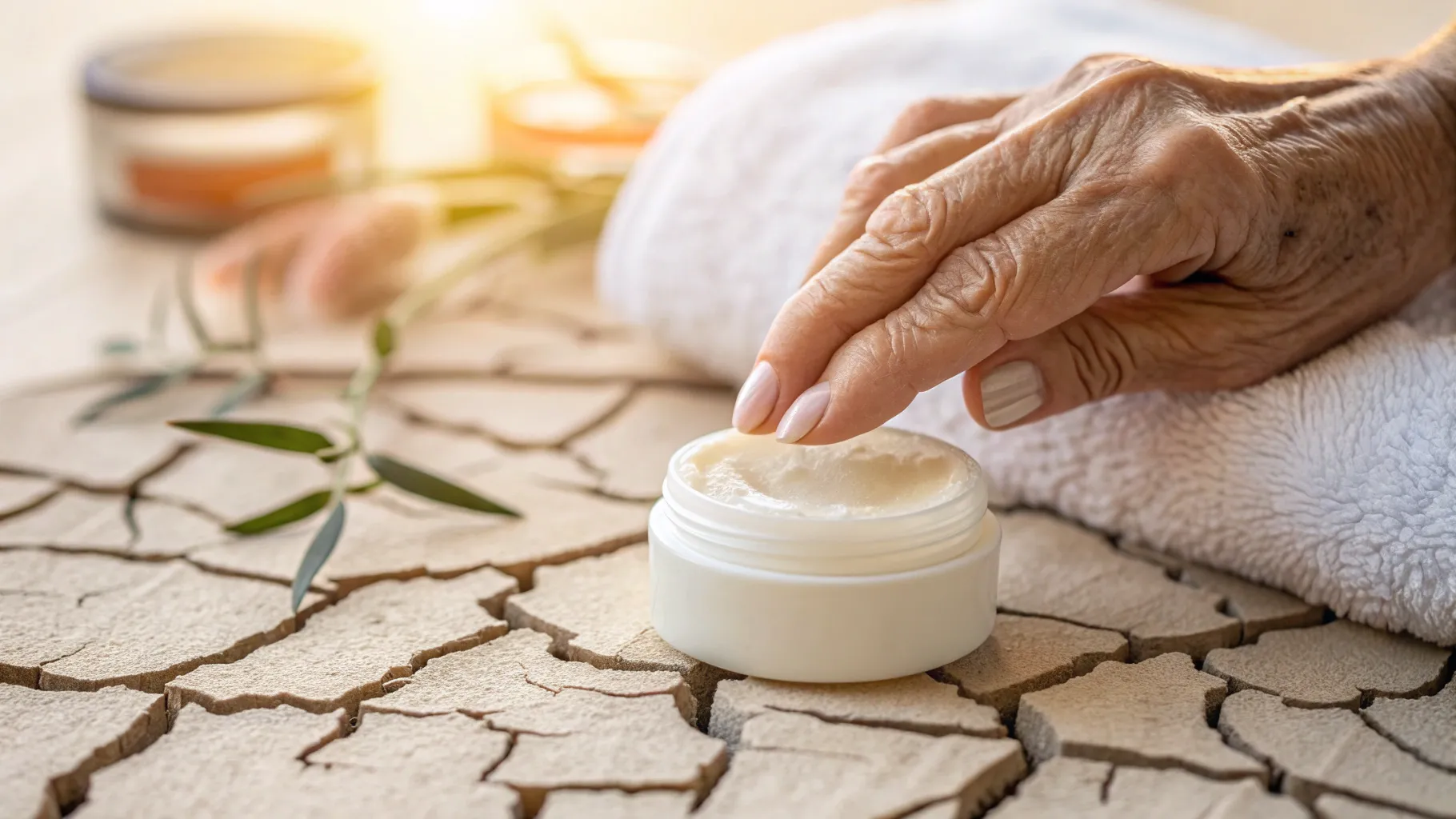
- Moisturizers: Consistently applying a rich cream or lotion right after bathing is essential for sealing in moisture. Products that contain ceramides and hyaluronic acid are particularly beneficial in combating dry skin effectively.
- Avoiding Hot Showers: Hot water can strip the skin of its natural oils, exacerbating dryness and irritation. Instead, lukewarm showers are advisable, along with minimizing shower duration to help preserve skin moisture.
- Regular Hydration: Hydration plays a crucial role in maintaining skin health. Seniors should aim to drink at least 8-10 glasses of water daily, adjusting the intake based on individual needs and health conditions.
- Humidifiers: During colder months or in dry environments, using a humidifier can significantly increase ambient moisture levels, thus reducing the chances of skin becoming overly dry.
It’s also essential for seniors to consult healthcare professionals if they notice persistent itching, as dermatologists are ideally positioned to evaluate and manage more serious cases. Proper assessment can lead to relief and improved skin health, ensuring that seniors are comfortable in their own skin.
Supporting Overall Well-Being While Managing Itchy Skin
Managing the distressing issue of itchy skin in older adults doesn’t have to be an uphill battle. With a good understanding of its causes and the right remedies, seniors can reclaim their comfort. Recent accounts indicate that many older adults have reported considerable improvements simply by making small adjustments, such as switching to gentler cleaning products.
Creating a nurturing home environment prioritizing skin health leads to improved comfort and well-being. Attention to hydration, the use of moisturizers, and awareness of irritant sources can help alleviate persistent itching effectively. This awareness empowers seniors to lead active and fulfilling lives, unburdened by the challenges that aging skin may present.
As we engage with the realities of 2025, fostering a compassionate understanding of the dermatological needs of our aging population is critical. Simple lifestyle adaptations can yield immense benefits in managing itchy skin, allowing individuals to enjoy a higher quality of life without the discomfort of irritation. By continuing to spread knowledge and promote effective strategies, we can support older adults in navigating the complexities of skin health as they age.