Causes and Management of Skin Discoloration and Bruising
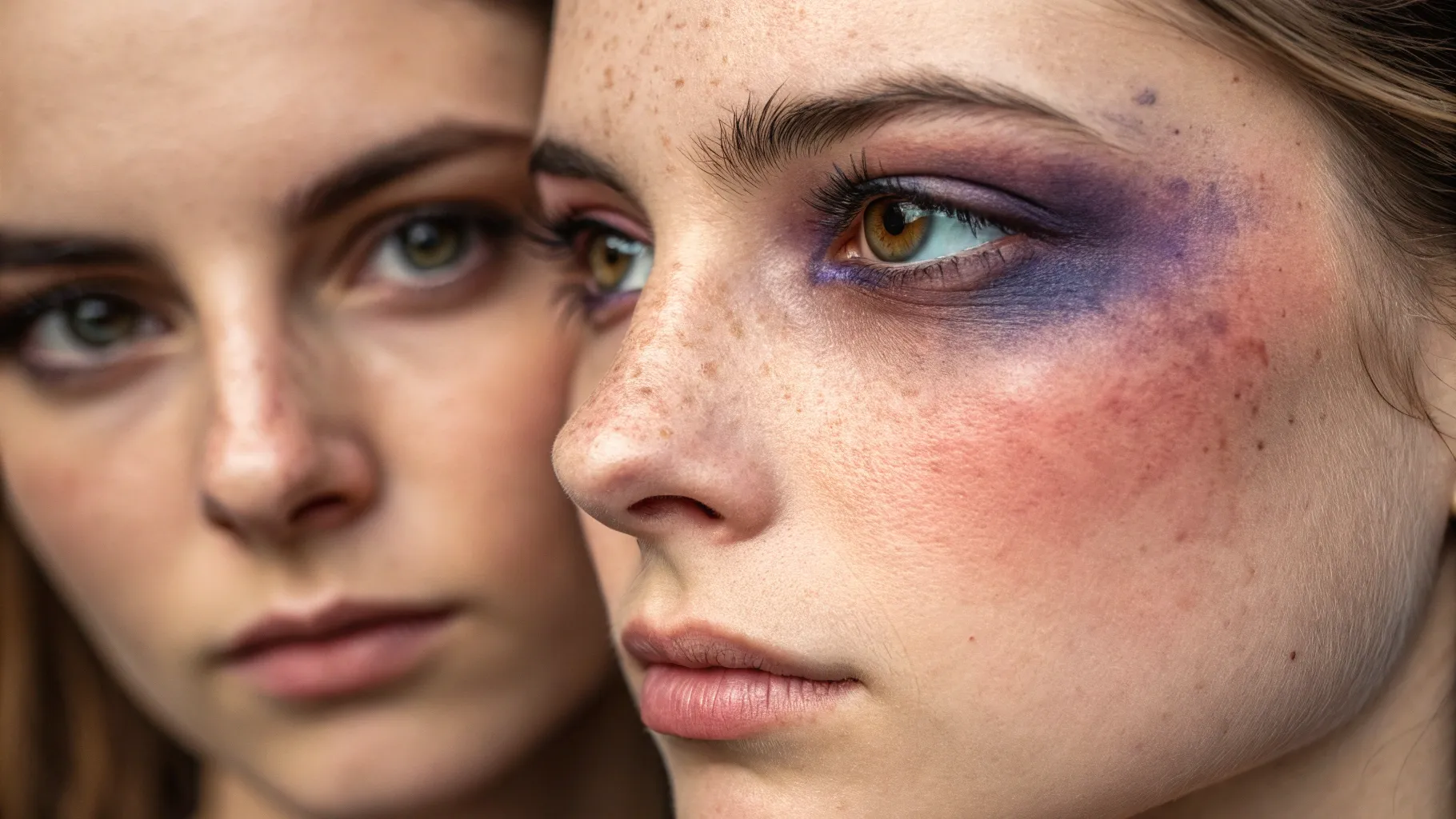
Understanding Skin Discoloration and Bruising in 2025
In 2025, skin health remains a crucial aspect of overall well-being, as the condition of the skin can often reflect underlying health status. Two common skin concerns are discoloration and bruising, which are distinct phenomena with different causes and implications. While both affect the appearance of the skin, they may also indicate various medical conditions that require attention. Understanding the differences between skin discoloration and bruising, including their causes, symptoms, and appropriate care methods, is important for proper management and maintaining healthy skin.
Differentiating Between Skin Discoloration and Bruising
Properly addressing skin concerns requires a solid understanding of the differences between skin discoloration and bruising. Skin discoloration refers to any change in skin color that can range from temporary spots to more permanent patches. On the other hand, bruising is specifically related to a change in skin color due to trauma or an injury.
Causes of Skin Discoloration
- Hyperpigmentation: This condition leads to dark patches on the skin, primarily due to an excess production of melanin. Common causes include ultraviolet (UV) exposure, hormonal changes linked to pregnancy or contraceptives, and even certain medications. Recent research indicates that approximately 50% of adults in urban areas experience some form of hyperpigmentation, highlighting the need for protective measures.
- Hypopigmentation: Conditions like vitiligo result in the loss of skin pigment, creating lighter patches that can spring up anywhere on the body. These spots can often affect a person’s self-esteem. The psychological impact of hypopigmentation has been noted in a recent study, showing that individuals with this condition report higher levels of anxiety and social withdrawal.
- Rosacea: This chronic skin condition presents as facial redness and visible blood vessels. Currently, about 16 million Americans live with rosacea, often misdiagnosed as simple flushing or acne. Awareness and proper treatment options can significantly improve the quality of life for sufferers.
- Post-inflammatory Hyperpigmentation: Following skin inflammation or injury—such as from acne or eczema—patients may develop darker spots. This condition is particularly prevalent among individuals with darker skin tones. Reports show these types of discolorations can be quite frustrating, often lingering long after the original issue has resolved.
- Age Spots: Known as liver spots, these benign growths generally appear due to prolonged sun exposure, primarily affecting those over the age of 50. Recent findings suggest that almost 90% of this demographic will experience age spots, making sun protection paramount.
Causes of Bruising
Bruising is the result of blood vessels under the skin breaking, usually after an impact or accident. Here are some common causes of bruising:
- Physical Injury: The most well-known cause, physical trauma leads to visible bruises. Athletes and active individuals frequently experience this type of bruising due to their vigorous lifestyles.
- Medical Conditions: Certain health conditions, such as hemophilia or liver disease, can make a person more prone to bruising as they affect the body's ability to clot blood effectively. A recent survey indicated that many individuals dismiss early symptoms of these conditions until they become severe.
- Medication Side Effects: Many common medications, including anticoagulants and blood thinners, heighten the risk of bruising. In fact, recent statistics reveal that around 30% of people on these medications report an increase in bruising severity and frequency.
- Age: Aging skin tends to be thinner and may also lose fat, which makes bruising more likely as resilience decreases. Studies indicate older adults often experience bruises that last significantly longer than those of younger people.
Recognizing Symptoms of Skin Changes
It is essential to quickly identify skin issues for better management. Bruises typically start as dark purples or blues, often transitioning through shades of green and yellow as they heal. This color progression usually marks an average healing period of 1 to 2 weeks. In contrast, skin discoloration may present as irregular spots varying in size and color. Unlike bruises, these patches often remain painless and can persist long-term without treatment.
Natural Remedies for Healthy Skin
Whether you’re dealing with skin discoloration or bruising, focusing on skin health is crucial. Here are some natural approaches to support your skin:
- Stay Hydrated: Water is essential for keeping skin nourished and healthy. Aim for at least eight glasses of water daily to maintain proper hydration.
- Healthy Diet: Include foods rich in vitamins C and K—like fish, citrus fruits, and leafy greens—in your meals to support healing and enhance skin health.
- Sunscreen Use: Employ broad-spectrum sunscreen daily to fend off sun-induced discoloration. Protecting against UV rays is vital not only for skin cancer prevention but also for avoiding the formation of age spots.
- Aloe Vera: Known for its soothing properties, aloe vera can aid in reducing irritation and may promote the healing of bruises and the appearance of dark spots.
- Essential Oils: Certain essential oils like chamomile and lavender, when combined with a carrier oil, help reduce inflammation and support skin regeneration processes.
When to Seek Professional Help
In today's health-conscious society, many individuals overlook skin changes that could indicate more severe issues. If you notice excessive bruising without reasonable cause or discover discoloration complicated by symptoms like swelling, pain, or persistent itching, consulting a healthcare professional is essential. Modern technology now offers remarkable treatments—from topical solutions to advanced laser therapies—that effectively tackle pigmentation issues while improving overall skin quality.
As we progress through 2025, staying informed about evolving skin care practices is critical. Continued research brings forth new treatments and natural remedies. By embracing preventative strategies and seeking early interventions, you can maintain the vibrancy and health of your skin. Understanding the distinctions between skin discoloration and bruising empowers individuals to take charge of their skin health and cultivate their overall well-being.