Differences Between Rosacea and Sunburn Symptoms Explained
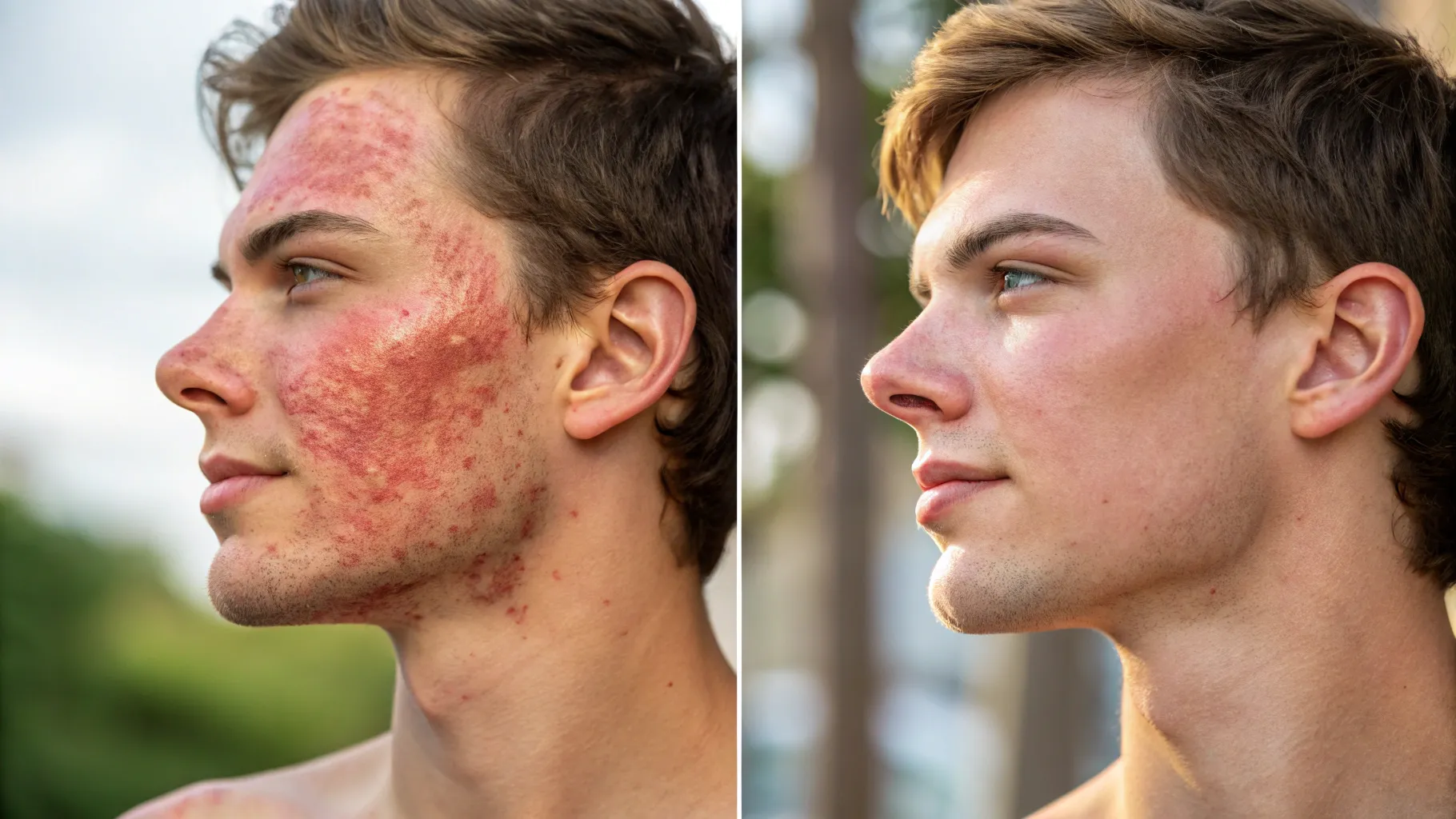
Understanding Rosacea and Sunburn: Key Differences
Skin redness is a common condition that can result from various causes, including sunburn and rosacea. Distinguishing between these two is important because they have different underlying mechanisms and require different management approaches. Increased awareness of the characteristics of sunburn and rosacea aids in accurate identification, which is essential for selecting appropriate treatments and developing suitable skincare practices.
What You Need to Know About Rosacea
Rosacea is a chronic inflammatory skin condition that affects millions of adults globally. It manifests primarily as facial redness but can progress to include visible blood vessels, skin swelling, and even acne-like breakouts. Current statistics from the American Academy of Dermatology reveal that an estimated 16 million Americans are diagnosed with rosacea, a figure that continues to rise.
The hallmark feature of rosacea symptoms is persistent facial flushing that may come with a burning sensation. Additional symptoms can include:
- Redness localized on the cheeks, nose, forehead, and chin
- Visible microvascular changes such as spider veins
- Pustules or papules resembling acne
- Dryness and irritation affecting the eyes (ocular rosacea)
- Skin thickening and enlargement of the nose in advanced cases
Beyond the physical symptoms, rosacea can substantially impact a person's emotional well-being, sometimes leading to anxiety and diminished self-esteem. Treatment usually revolves around managing symptoms and avoiding known triggers. Common triggers for rosacea include spicy foods, alcohol, environmental temperature changes, and stress. For those dealing with this condition, identifying personal triggers is essential for managing flare-ups effectively.
The Basics of Sunburn
In contrast, sunburn represents an acute reaction of the skin, resulting from excessive exposure to ultraviolet (UV) radiation from the sun or tanning beds. This condition causes the skin to become red, inflamed, painful, and in severe cases, blistered. Recent health reports underscored a worrying trend where cases of skin cancer linked to UV exposure are on the rise, showcasing the critical need for effective sun protection measures.
The symptoms of sunburn can manifest a few hours after exposure, typically presenting as:
- Bright red and inflamed skin that feels warm to the touch
- Severe tenderness or pain in the affected area
- Swelling, and in cases of severe burns, blistering
- Peeling skin as it heals over the subsequent days
- Heightened sensitivity to sunlight
The best defense against sunburn is prevention. Using sunscreen with a high SPF, wearing protective attire, and seeking shade are vital measures. In the unfortunate event of a sunburn, soothing remedies like cool compresses, aloe vera gel, and adequate hydration can alleviate discomfort. Over-the-counter pain relief medications are also beneficial for easing pain.
How to Differentiate Between Rosacea and Sunburn
Understanding whether you're experiencing rosacea or sunburn involves carefully assessing various factors. Here are several signs to help clarify the distinction:
- Duration of Redness: Sunburn typically resolves within a few days as the skin heals. Conversely, rosacea is a chronic condition, and its symptoms may persist for weeks, months, or indefinitely.
- Pattern of Redness: Rosacea commonly appears as clustered redness on the central face (cheeks, nose, forehead), while sunburn tends to be more broadly spread across all exposed skin areas.
- Associated Symptoms: Symptoms such as eye irritation, persistent flushing, or skin oiliness can indicate rosacea rather than a simple sunburn.
- Flare-ups: Consider if you've experienced flare-ups from conditions like heat exposure, stress, or certain foods, suggesting rosacea’s involvement.
If you're uncertain, consulting with a dermatologist can be crucial for an accurate diagnosis. They may conduct a physical examination or a skin assessment to differentiate between these conditions effectively.
Natural Remedies for Reducing Skin Redness
For individuals looking for natural remedies to soothe skin redness, whether from rosacea or sunburn, several options can promote healing and comfort. Here are a few effective methods:
- Chamomile and Green Tea: These botanicals are well-known for their anti-inflammatory properties. After brewing, allow them to cool, and apply as compresses to affected areas for soothing relief.
- Aloe Vera: This natural skin soother is not only hydrating but also effective in promoting healing and reducing inflammation caused by both rosacea and sunburn.
- Oatmeal Baths: Incorporating plain oats into bath water can provide a calming effect, helping ease the discomfort of irritated skin.
- Licorice Extract: Emerging studies indicate that licorice might help in reducing redness due to its potent anti-inflammatory qualities.
- Moisturizing: Keeping your skin well-hydrated with gentle, fragrance-free moisturizers is essential to combat peeling and dryness from both skin conditions.
By integrating these natural remedies into your skincare regimen and monitoring associated triggers, you will be well on your way to achieving healthier skin. Staying informed about new skincare innovations and treatments in 2025 is equally vital for those struggling with the persistent challenges of skin redness from rosacea or dealing with the occasional sunburn.
Adopting a balanced approach of preventive measures, mindful skincare, and medical advice can usher your skin towards improved health, comfort, and confidence. Remember, both rosacea management and sunburn treatment require diligence, so truly understanding your skin's responses is key.