Identifying Low Iron Symptoms and Maintaining Proper Levels
Common Signs of Low Iron Levels
Iron deficiency is a significant health issue that affects millions of adults worldwide. In fact, recent studies show that approximately 30% of the global population suffers from low iron levels. Recognizing the early symptoms of low iron can help you take action before the deficiency leads to more serious complications. In this article, we’ll explore how to recognize iron deficiency, its common causes, and ways to maintain healthy iron levels naturally.
How to Recognize Iron Deficiency
Understanding the signs that your body needs more iron is crucial for your overall health. Early symptoms of low iron often go unnoticed, but they include:
- Fatigue: One of the most common signs of iron deficiency is an overwhelming sense of fatigue. This occurs because iron is essential for transporting oxygen throughout the body. Without sufficient iron, your energy levels can plummet.
- Pale Skin: Iron plays a vital role in the production of hemoglobin, which gives blood its red color. When your iron levels are low, your complexion may appear pale or sallow.
- Shortness of Breath: If you find yourself becoming easily winded while performing activities that didn’t use to affect you, low iron could be the culprit. Without adequate hemoglobin, oxygen delivery to your muscles is compromised.
- Heart Palpitations: Low iron can cause your heart to work harder to transport oxygen, leading to irregular heartbeats or palpitations.
- Cold Hands and Feet: Poor circulation due to low iron can result in extremities feeling unusually cold. Iron deficiency decreases the efficiency of blood flow, resulting in thermoregulatory issues.
- Brittle Nails: Weak and brittle nails can be a sign of low iron. Your body needs iron to maintain healthy nail growth.
These early symptoms can often be mistaken for other common issues, which is why it’s important to be vigilant and consult a healthcare professional if you notice any of these signs.
Common Causes of Low Iron in Adults
Many factors can contribute to low iron levels in adults. Understanding these causes can help in preventing iron deficiency:
- Dietary Insufficiency: A diet low in iron-rich foods—such as red meat, poultry, fish, beans, and fortified cereals—can lead to iron deficiency. Recent reports indicate that many adults do not meet their daily recommended iron intake.
- Increased Iron Requirements: Certain life stages, such as pregnancy or intense physical activity, may increase your body's iron requirements. Pregnant women need more iron to support fetal development, which makes them particularly susceptible to deficiency.
- Chronic Blood Loss: Conditions like heavy menstrual periods or gastrointestinal bleeding can lead to significant iron loss. Approximately 20% of women of reproductive age experience heavy menstrual bleeding, placing them at a higher risk for iron deficiency.
- Malabsorption Disorders: Conditions like celiac disease or Crohn’s disease interfere with the body’s ability to absorb iron properly from food, leading to deficiency despite adequate dietary intake.
Every adult should be aware of these causes, especially if they are experiencing symptoms of low iron.
Signs Your Body Needs More Iron
Let’s delve deeper into the warning signs that may indicate your body is signaling a need for more iron.
Feeling fatigued or experiencing weakness without an obvious reason? This goes beyond just needing more sleep. As mentioned previously, low iron can cause your body to lack the energy it requires to function properly. You might also notice increased irritability or an inability to concentrate. In fact, a study published in The Journal of Nutrition revealed that individuals with low iron levels had a 40% increased risk of cognitive issues.
Another indicator includes unusual cravings for non-food items such as ice or dirt - a condition known as pica. While some might see this as harmless, it is a clear signal from your body that it’s lacking iron and other essential nutrients.
Ways to Maintain Healthy Iron Levels Naturally
Maintaining healthy iron levels can often be managed with lifestyle adjustments and dietary changes. Here are some effective methods:
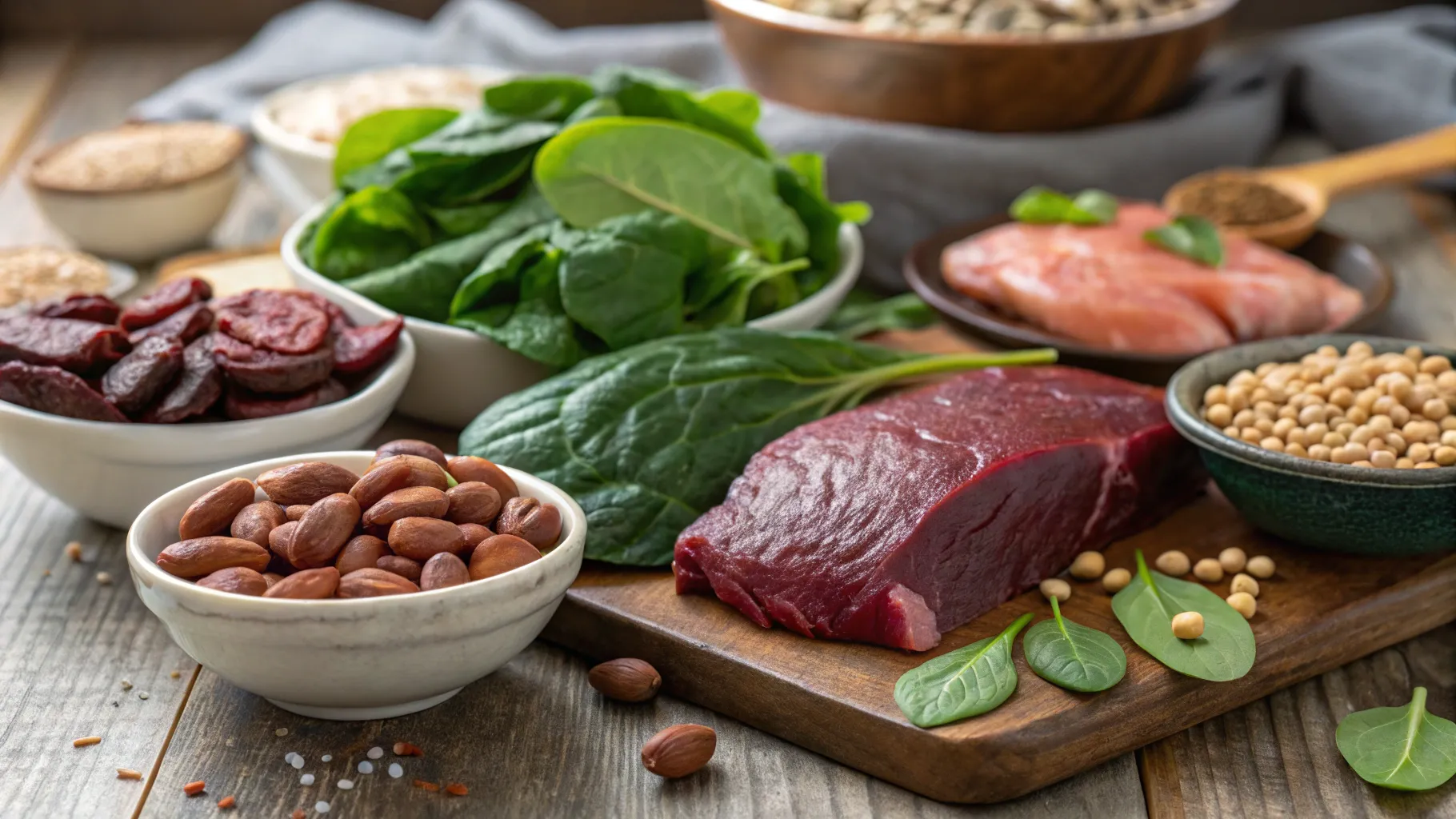
- Consume Iron-Rich Foods: Include plenty of iron-rich foods in your diet, such as lean meats, leafy greens (like spinach), nuts, seeds, and legumes. Pairing them with vitamin C-rich foods (like oranges or bell peppers) can help enhance iron absorption.
- Avoid Iron Blockers: Certain foods and drinks can inhibit iron absorption—these include coffee, tea, and dairy products. It’s best to consume these at different times from iron-rich meals.
- Cook with Cast Iron: Using cast iron cookware can increase the iron content of your food, especially acidic foods like tomato sauce, which leach more iron from the pan.
- Regular Check-Ups: Make iron level checks a part of your regular health routine, especially if you belong to high-risk groups. This proactive approach can help identify any deficiencies early on.
- Consider Iron Supplements: If dietary adjustments aren’t enough, speak to your doctor about iron supplements. However, these should be taken with caution, as excessive iron can also lead to health issues.
By staying informed about your body’s needs and recognizing the common signs of low iron levels, you can take steps to maintain optimal health. Remember, addressing iron deficiency early on can prevent serious complications and help you feel your best.