Why Essential Foods Matter in Preventing Muscle Loss
Understanding Why Certain Foods Support Muscle Wellness
In a fast-paced world, maintaining muscle mass and strength is important for overall health and well-being. Muscle loss can be a significant concern, especially for older adults and individuals involved in intense fitness routines. A diet rich in certain nutrients plays a key role in supporting muscle health. This guide explores foods that help prevent muscle loss and explains the fundamentals of a muscle-supportive diet.
Building a Muscle Supportive Diet Basics
To effectively prevent muscle loss, your diet should prioritize protein-rich food categories, alongside other essential nutrients. Firstly, it's important to understand that muscle wellness greatly depends on adequate protein intake. Recent studies in 2025 indicate that adults should aim for at least 1.2 grams of protein per kilogram of body weight daily to support muscle health, particularly if engaging in physical exercise.
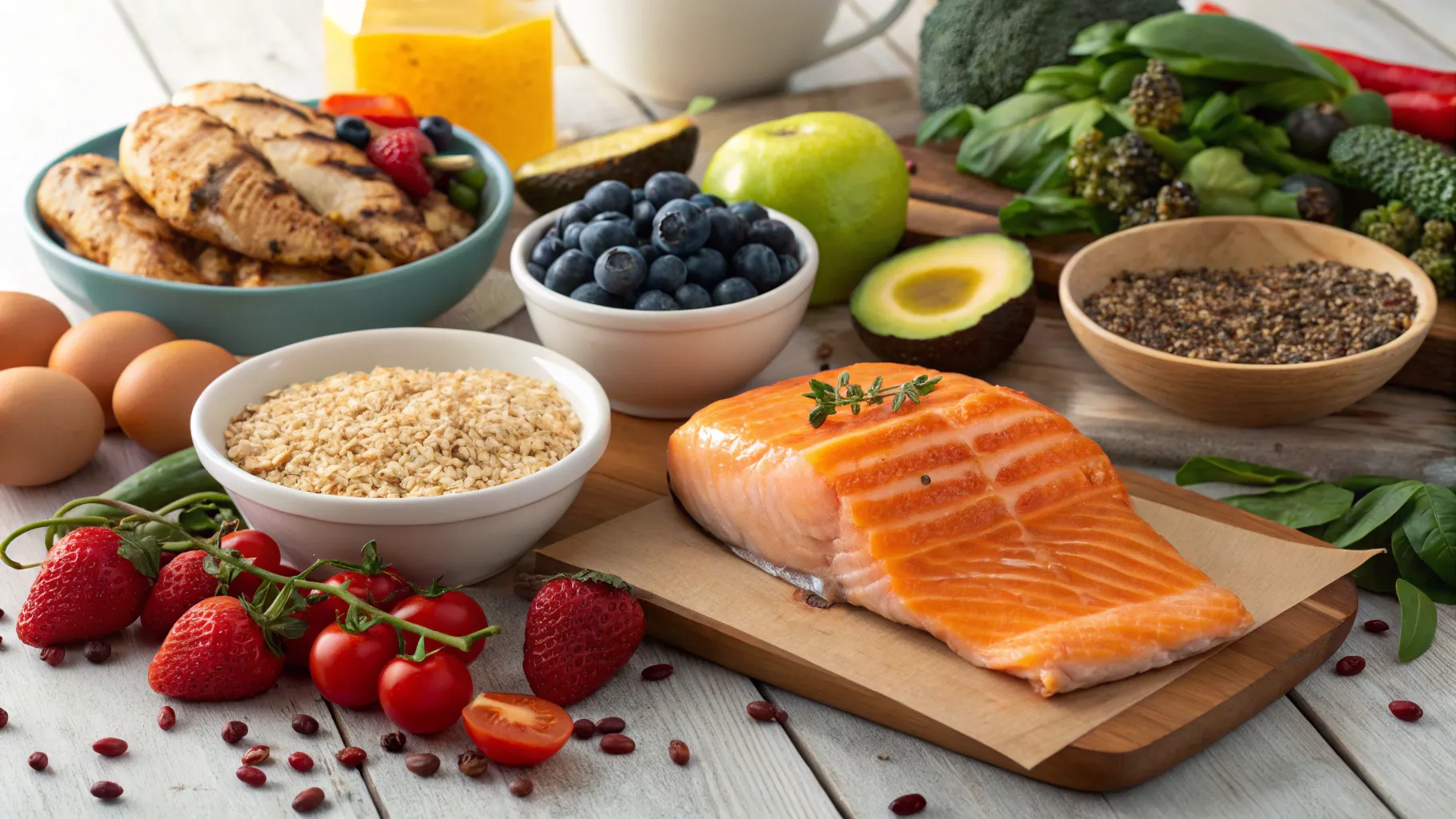
- Lean Meats: Chicken, turkey, and lean cuts of beef are excellent sources of high-quality protein.
- Fish: Fatty fish like salmon and mackerel provide not just protein but also omega-3 fatty acids, which combat inflammation and support muscle recovery.
- Dairy Products: Greek yogurt and cottage cheese are packed with casein protein, which digests slowly and keeps your muscles fed longer.
- Plant-Based Proteins: For those following a vegetarian or vegan diet, options like lentils, chickpeas, quinoa, and tempeh supply essential amino acids necessary for muscle repair and growth.
- Nuts and Seeds: Almonds, walnuts, and chia seeds are not only sources of protein but also provide healthy fats that are vital for hormone production involved in muscle growth.
Moreover, it's essential to incorporate carbohydrates into your meals. Carbs fuel your workouts and play a crucial role in recovery. Whole grain products, fruits, and vegetables supply necessary vitamins and minerals. For muscle wellness, focus on complex carbohydrates like brown rice, sweet potatoes, and whole-grain pasta to ensure a sustained energy release during physical activity.
Understanding the Role of Healthy Fats
Healthy fats shouldn’t be overlooked in a muscle-supportive diet. Foods rich in monounsaturated and polyunsaturated fats help in hormone production and reduce inflammation. Avocados and olive oil are excellent examples. A recent survey revealed that people consuming higher amounts of healthy fats tend to experience less muscle loss, particularly as they age.
The Mediterranean diet, which is abundant in fish, nuts, olive oil, and whole grains, has been associated with improved muscle health. A study from the beginning of 2025 indicated that individuals who followed this diet exhibited slower rates of muscle loss compared to those on a typical Western diet.
Hydration: The Unsung Hero of Muscle Health
Many overlook hydration's role in muscle wellness. Staying well-hydrated ensures optimal muscle function and energy levels. Water is essential not only for overall health but also plays a role in nutrient transportation and muscle recovery. According to the National Institute of Health, athletes and active individuals should aim for at least 3 liters of water daily, adjusting based on their activity level.
Consider incorporating electrolytes if engaging in prolonged exercise or intense activities. Drinks like coconut water or electrolyte-enhanced beverages can replenish lost minerals and keep you hydrated effectively. Furthermore, herbal teas and infused waters can be delicious alternatives to plain water, keeping your hydration routine interesting.
Practical Meal Ideas for Muscle Support
Implementing these muscle loss preventing foods into your diet doesn’t have to be complex. Let’s break down some practical meal ideas:
- Breakfast: Start your day with Greek yogurt topped with granola and berries. Add a tablespoon of chia seeds for extra protein and omega-3s.
- Lunch: Enjoy a quinoa salad with chickpeas, diced veggies, and a dressing made from olive oil and lemon juice. A serving of grilled salmon can be a fantastic addition, boosting protein and healthy fats.
- Snack: Blend a protein smoothie with spinach, banana, almond milk, and a scoop of plant-based protein powder for a mid-afternoon boost.
- Dinner: Try grilled chicken with a side of sweet potatoes and steamed broccoli, drizzled with olive oil. This meal provides a balance of proteins, carbs, and healthy fats.
Eating regularly at intervals of about 3-4 hours and ensuring protein is included in each meal can also greatly contribute to maintaining muscle mass. Aim for a combination of protein and carbs post-workout to maximize recovery. A protein shake with a banana or a turkey sandwich can be quick, effective options.
Supplements to Consider
While whole foods should form the basis of your muscle-supportive diet, some individuals opt for supplements such as whey protein, branched-chain amino acids (BCAAs), or creatine, especially if their dietary intake may be insufficient. Research as of early 2025 suggests that these supplements can enhance muscle recovery and growth when combined with regular strength training.
It’s crucial to consult with a healthcare provider before starting any supplement regime. Understanding individual health needs and goals will ensure a fitting approach to dietary adjustments and supplements. This is vital for those who may have underlying health conditions or who are on medications that could interact with certain supplements.
In summary, preventing muscle loss through diet requires a varied approach, focusing on high-quality protein sources, healthy fats, and adequate hydration. This comprehensive strategy not only helps maintain muscle mass but also promotes overall health, making it an essential aspect of healthy aging and active living.