Understanding Osteoarthritis Symptoms and Joint Health
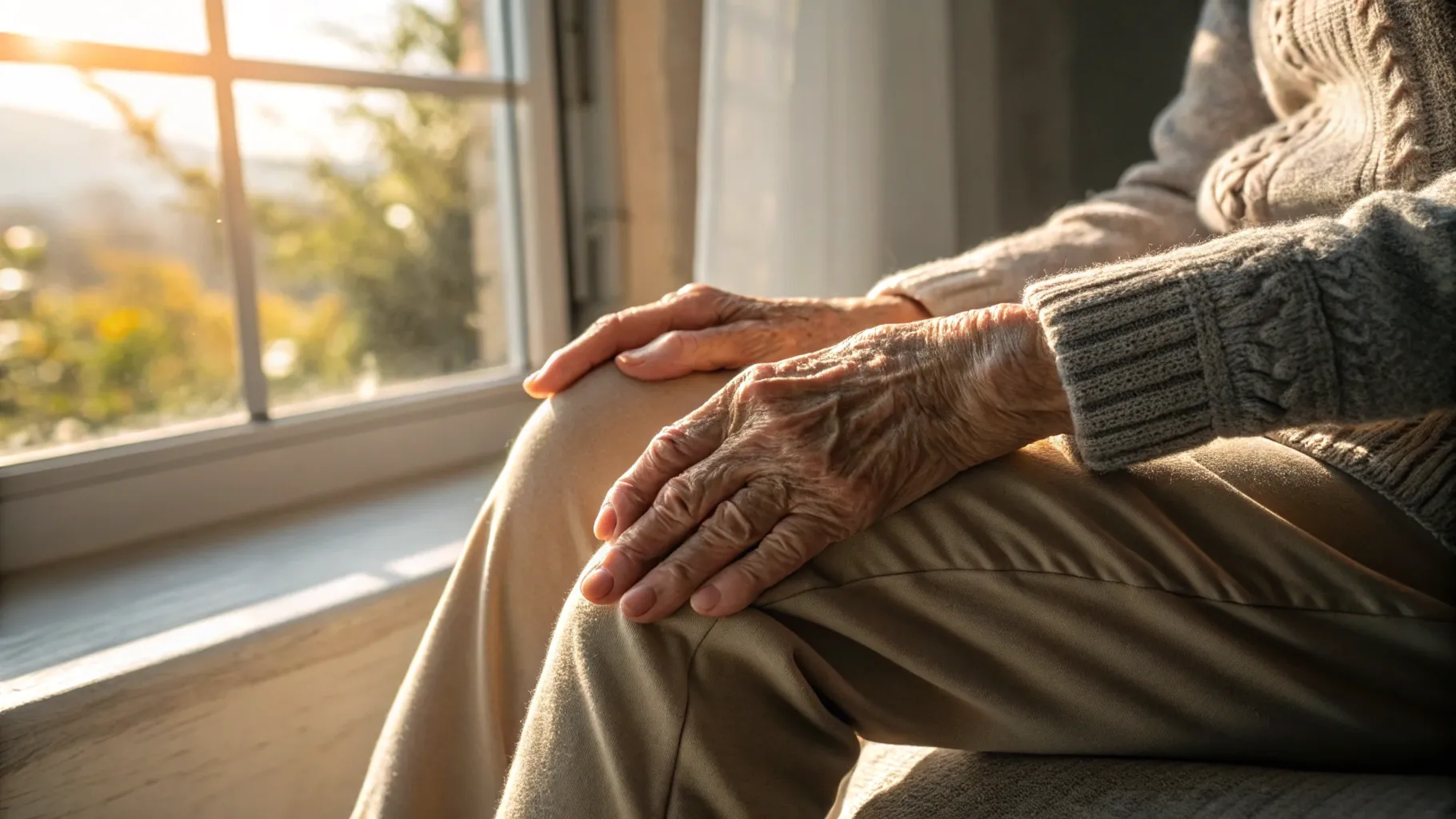
Comprehensive Guide to Identifying Osteoarthritis Symptoms
Osteoarthritis (OA) is a common degenerative joint condition, especially among adults over 50. Understanding its symptoms is important for managing joint health effectively. In 2025, with increased awareness and medical knowledge, more people are recognizing the impact OA can have on daily activities.
Early identification of symptoms can help slow the progression of osteoarthritis and improve quality of life. This guide reviews the typical signs of OA and how they affect everyday movement and comfort.
Identifying the Key Symptoms of Osteoarthritis
Spotting osteoarthritis symptoms early is crucial for timely intervention. As cartilage wears down, bones within joints may rub against each other, producing various symptoms:
- Pain: Osteoarthritis pain often emerges during or after joint activity. Whether it’s walking, doing house chores, or engaging in low-impact sports, discomfort becomes evident and may linger even when resting.
- Stiffness: Particularly prevalent in the mornings or after prolonged inactivity, stiffness makes joints difficult to move. Although it can be brief, often less than 30 minutes, it sets a tone for the day’s mobility challenges.
- Swelling: Inflammatory responses in the affected area often lead to swelling, which can hinder joint use and cause tenderness. Sometimes, the joint may even feel warm to the touch.
- Reduced Flexibility: Flexibility loss can transform once-simple tasks, like tying shoelaces or unscrewing jars, into daily obstacles, limiting one's range of motion.
- A Creaking Sensation: Known as crepitus, this crackling sensation within the joints or accompanying noise often alarms those with OA. It is the result of bones rubbing together due to cartilage loss.
Target Areas: Knees and Hands
While OA can target any joint, its incidence is most notable in the knees and hands. This is due to their high mobility and repetitive use in everyday activities, effectively making them osteoarthritis hot spots.
The Challenge of Knee Osteoarthritis
Knees, designed to support body weight with every movement, often bear the brunt of osteoarthritis, especially in the elderly. According to the latest Joint Health Report (April 2025), approximately 18% of individuals over the age of 60 experience knee OA. This challenge often translates into difficulties performing ordinary tasks such as ascending stairs or rising from chairs, impacting the quality of life significantly.
Hand Osteoarthritis and Daily Life
Hand osteoarthritis, though less conspicuous than knee OA, presents its own set of challenges. With 12% of adults over 50 reported to have reduced hand function due to OA by the National Arthritis Survey, tasks that require dexterous fingers, such as typing or sewing, become more laborious. Increasing joint size, or the presence of Heberden’s and Bouchard's nodes, can further heighten this issue.
These symptoms provide constant reminders of the need for lifestyle changes and appropriate medical interventions to manage this condition effectively.
Steps for Osteoarthritis Prevention and Management
While completely curing osteoarthritis remains elusive, there are several strategies viable in mitigating its effects:
- Weight Management: Keeping a healthy weight reduces stress on joints, especially those such as the knees. Studies show a 5-10% reduction in body weight can significantly enhance joint function.
- Engaging in Low-Impact Exercises: Activities like swimming, water aerobics, or using an elliptical can improve joint flexibility without straining the joints.
- Consuming a Balanced Diet: Diets abound with antioxidants, omega-3 fatty acids, and vitamins E and D bolster joint and bone health. These nutrients help to dampen inflammation while strengthening bones.
- Embracing Safe Movement Techniques: Observing proper techniques, such as bending from the knees while lifting, helps safeguard the joints from excessive wear.
According to the Learn Arthritis Initiative, integrating these strategies with regular medical consultations not only slows OA progression but helps alleviate symptoms. By staying attentive to regular assessments and wholeheartedly embracing lifestyle improvements, managing osteoarthritis can become more seamless, while enhancing quality of life.
Equipping oneself with essential knowledge isn't just about easing symptoms; it is about maintaining a robust and functional lifestyle even as potential joint complications surface.