Natural Approaches to Managing Winter Skin Dryness
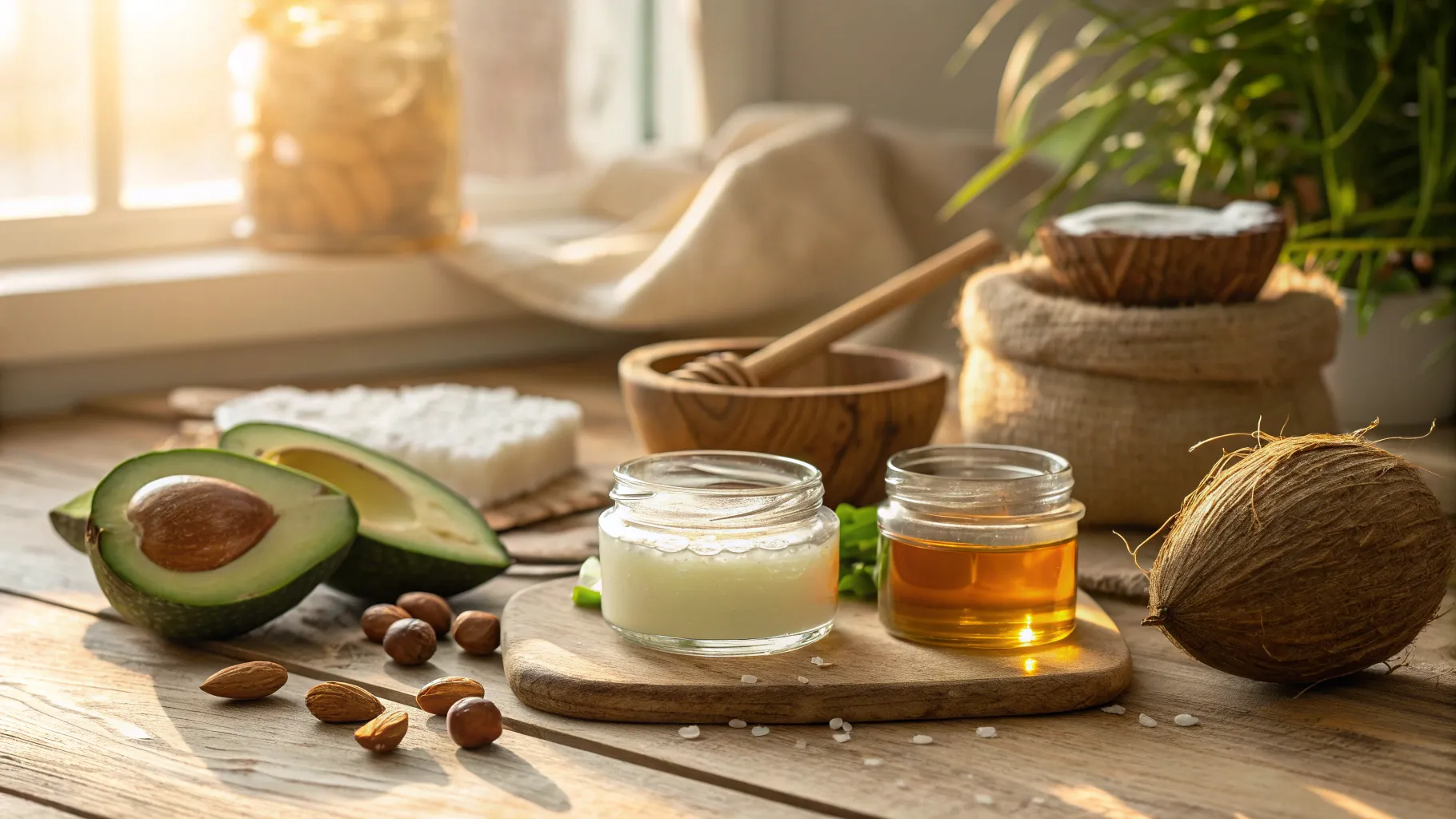
How to Treat Winter Skin Dryness
As winter approaches in 2025, changes in temperature and humidity can significantly impact skin health. Exposure to cold outdoor air combined with heated indoor environments often reduces skin moisture, leading to dryness, irritation, and flakiness. Understanding the physiological effects of seasonal changes on the skin is important for maintaining its barrier function and overall condition. This guide examines natural methods to address winter skin dryness, including hydration practices, the use of plant-based remedies, and preventative care to support skin resilience during colder months.
Natural Remedies for Winter Skin Dryness
Who said you need harsh chemicals to achieve soft, moisturized skin? Nature provides a wealth of options that are perfect for treating dry skin during winter. Here’s a selection of powerful natural remedies:
- Coconut Oil: Known for its versatile properties, coconut oil is an exceptional moisturizer. It has the ability to penetrate deeply, providing hydration where it’s needed most. Applying coconut oil after a warm shower can significantly enhance absorption, helping to lock in moisture and protect against dry skin.
- Honey: This natural sweetener does more than satisfy your sweet tooth. Honey is a humectant, which means it draws moisture into the skin. For those pesky dry patches, simply apply a thin layer of honey, let it sit for 15 to 20 minutes, and rinse it off. Your skin will feel soft and pampered!
- Aloe Vera Gel: Renowned for its soothing effects, aloe vera helps with both hydration and skin healing. If your skin is irritated or uneven, fresh aloe gel can be a lifesaver. Just apply it generously to the affected areas for immediate relief.
- Olive Oil: Often found in our kitchens, olive oil doubles as a luxury moisturizer. A few drops, massaged into the skin, can keep it hydrated and create a protective barrier against winter's harshness. Its rich antioxidants also nourish the skin.
Staying Hydrated in the Winter
Staying hydrated goes beyond just drinking enough water. In winter, it's essential to adopt various methods to ensure your skin remains plump and moisturized. Here are some strategies to consider:
- Use a Humidifier: With indoor heating in full swing, the air can get incredibly dry, which can exacerbate skin issues. A humidifier adds moisture back into the air, helping to alleviate dryness. Recent studies indicate that homes with humidifiers can increase skin hydration by up to 20%.
- Warm but Not Hot Showers: While indulging in a hot shower may feel fantastic on a cold day, it can also strip your skin of its natural oils. Opt for warm showers and limit your time in the water to better retain essential moisture.
- Frequent Moisturization: Applying a rich moisturizer right after washing your hands or bathing is crucial. Look for products containing glycerin, shea butter, or ceramides, known for their ability to retain moisture in the skin effectively.
- Hydration from Food: Incorporate foods high in Omega-3 fatty acids, such as salmon, nuts, and avocados into your diet. These promote a healthy skin barrier from within, aiding in moisture retention.
Soothing Techniques for Itchy Skin
There’s hardly anything more uncomfortable than dry, itchy skin during winter. If you find yourself scratching away, try these soothing techniques:
- Oatmeal Baths: Colloidal oatmeal can work wonders. It alleviates itching and calms inflammation. Simply mix finely ground oats into your warm bath and soak for 15 to 20 minutes for instant relief.
- Cold Compresses: A cold, damp cloth applied to itchy areas can relieve discomfort quickly. Just be mindful not to leave it on for too long, as you don’t want to overly chill the skin.
- Over-the-Counter Creams: If the itchiness persists, consider using anti-itch creams containing hydrocortisone. Apply as directed for the best effects.
- Coconut Oil Again: The versatility of coconut oil shines here too. It not only hydrates but also has anti-inflammatory properties, making it perfect for rubbing on irritating patches to soothe and calm.
Guide to Prevent Dry Skin in Cold Weather
Preventing dry skin can be much easier than trying to treat it afterward. Adopting certain habits can help keep your skin healthy and hydrated all winter long:
- Stay Hydrated: Remember, hydration starts from within. Aim for 8 to 10 glasses of water daily, especially in the colder months. Herbal teas can also count!
- Choose Breathable Fabrics: Wear clothing made from natural fibers like cotton and silk. These materials can reduce static electricity that bothers the skin. Avoid wool directly against the skin, as it may exacerbate dryness.
- Limit Exfoliation: While exfoliating your skin is important, too much of it can lead to further drying. It may be wise to reduce the frequency of scrubs or peels during the winter.
- Select Gentle Skin Care Products: Opt for skincare products that are free from fragrances and alcohol to avoid irritation. Instead, focus on nourishing cleansers that won’t strip your skin's natural moisture.
By implementing these strategies and natural remedies into your skincare routine, you can effectively treat and prevent winter skin dryness. With just a little extra care during the colder months, you can maintain soft, hydrated skin that feels comfortable and looks radiant throughout the season. Enjoy the winter while taking care of your skin!