What You Need to Know About Homemade Odor Removers
Facts:
- Eliminate odors with simple pantry staples.
- Demand for eco-friendly household odor solutions continues to rise for conscious consumers.
Unlocking the Power of DIY Odor Removal for a Fresher Home
Tired of stubborn smells that commercial sprays only mask? Embracing homemade odor remover ideas can transform your living environment into a sanctuary of freshness. This comprehensive guide will delve into practical and effective diy odor removal techniques, offering sustainable and budget-friendly alternatives to chemical-laden products. Discover how simple ingredients can provide powerful household odor solutions.
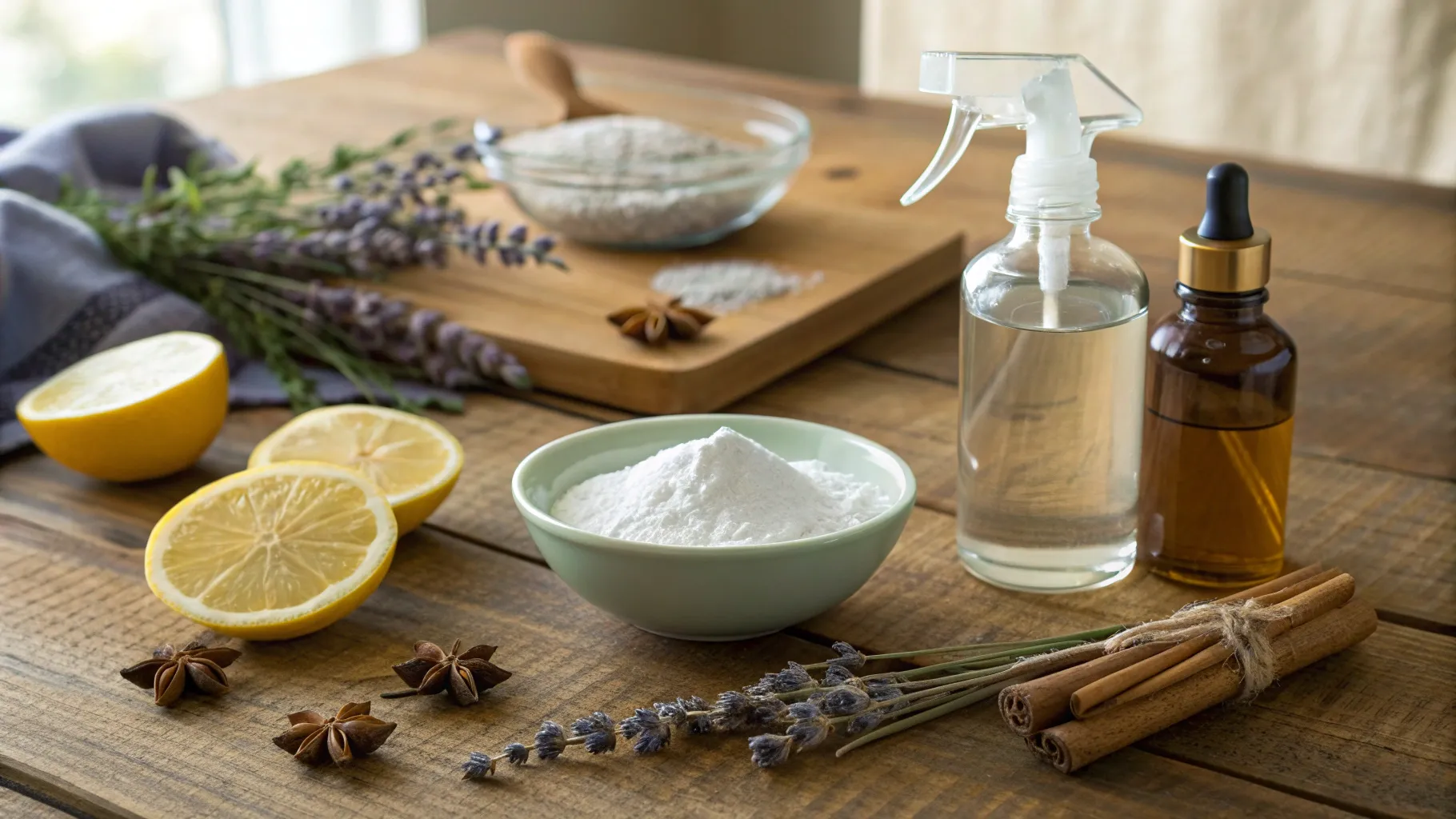
Essential Ingredients for Homemade Odor Removers
Baking Soda: The Ultimate Absorber
Baking soda (sodium bicarbonate) is a cornerstone of any collection of homemade odor remover ideas due to its incredible ability to absorb and neutralize odors rather than just covering them up. Its alkaline properties react with acidic odor molecules, rendering them inert. For general room deodorizing, place open bowls of baking soda in affected areas. For specific challenges, sprinkle it on carpets, upholstery, or even inside shoes, allowing it to sit for several hours before vacuuming or wiping away. This simple yet powerful ingredient is central to many effective diy odor removal strategies, providing long-lasting freshness.
White Vinegar: A Natural Disinfectant and Deodorizer
White vinegar, a mild acid, is another versatile hero among homemade odor removers. It not only kills bacteria and mold that often cause foul smells but also breaks down odor-causing compounds. A diluted vinegar solution (equal parts water and vinegar) can be sprayed on hard surfaces, wiped into pet accidents, or used to clean kitchen and bathroom areas. For tougher smells, a stronger solution or even a bowl of undiluted vinegar left overnight can work wonders. Integrating vinegar into your cleaning routine is a highly effective aspect of developing robust household odor solutions.
Lemon and Citrus Peels: Freshness and Acidity
The bright, refreshing scent of lemons and other citrus fruits makes them excellent components in natural odor control ideas. Their peels contain d-limonene, a powerful natural solvent and deodorizer. Simmering citrus peels in water on the stove can quickly fill your home with a pleasant aroma, effectively masking and often neutralizing minor odors. Lemon juice can also be used in conjunction with baking soda or vinegar to enhance cleaning power and leave a fresh scent. These simple additions contribute significantly to elevating your repertoire of homemade odor remover ideas.
Essential Oils: Concentrated Natural Scents
While not strictly removers, essential oils are invaluable for enhancing the freshness achieved by homemade odor removers. Scents like tea tree, eucalyptus, lavender, and peppermint possess antimicrobial properties and can add a delightful, lasting fragrance. A few drops added to baking soda, a vinegar spray, or a diffuser can elevate your diy odor removal efforts. Always ensure essential oils are used safely, especially around pets or children, by diluting them properly. They provide a pleasant finishing touch to your natural household odor solutions.
Tackling Specific Odors with Natural Odor Control Ideas
Different odors require tailored approaches, and fortunately, homemade odor remover ideas are adaptable. Whether it's persistent pet smells, lingering cooking odors, or musty basement air, there are specific diy odor removal techniques that leverage common ingredients for maximum effect. Understanding the source of the odor is the first step in applying the most effective natural odor control ideas, leading to a consistently fresh home environment.
Pet Odors: Comprehensive Carpet and Upholstery Solutions
Pet odors can be particularly challenging. For carpets, liberal sprinkling of baking soda, left for several hours (or overnight) before vacuuming, is a fundamental step in homemade odor removers. For liquid accidents, blot thoroughly, then saturate the area with a white vinegar solution, allow to dry, and then sprinkle baking soda. This layered approach helps neutralize odors at their source. Regularly cleaning pet bedding with a vinegar rinse is another crucial element of effective household odor solutions.
Kitchen Smells: From Garlic to Fish
Kitchen odors, especially from strong-smelling foods like fish or garlic, can permeate the entire home. Simmering citrus peels with cinnamon sticks provides an immediate fragrant fix. Placing a small bowl of white vinegar or ground coffee on the counter overnight can absorb lingering smells. Regularly wiping down surfaces with a diluted vinegar solution is an excellent preventative measure and a key component of consistent diy odor removal in the kitchen.
Musty Odors: Conquering Dampness and Mildew
Musty smells often indicate excess moisture and potential mildew. Dehumidifiers are effective, but for natural remediation, bowls of activated charcoal or baking soda can absorb moisture and odors in damp areas like basements or closets. A spray bottle with tea tree oil and water can be used on affected surfaces, as tea tree oil is a natural fungicide, offering robust natural odor control ideas. Ensure proper ventilation to prevent recurrence.
Comparison of Homemade vs. Commercial Odor Solutions
When considering homemade odor remover ideas versus store-bought products, several factors come into play. Commercial air fresheners often use synthetic fragrances and propellants that merely mask odors and can contain VOCs, potentially impacting indoor air quality. In contrast, homemade odor removers, utilizing ingredients like baking soda, vinegar, and essential oils, primarily work by neutralizing odor molecules or by employing natural antibacterial and antifungal properties. This fundamental difference makes diy odor removal a healthier and more sustainable choice. While commercial products offer convenience, the cost-effectiveness and eco-friendliness of household odor solutions developed from pantry staples are undeniable, providing superior long-term benefits for both your wallet and the environment. Choosing natural odor control ideas means opting for transparency and avoiding unknown chemical exposures.
Actionable Advice for Sustainable Odor Management
- Identify the Source: Before applying any homemade odor removers, always try to locate and eliminate the source of the odor. Masking an underlying problem will only provide temporary relief and waste your efforts in diy odor removal.
- Ventilation is Key: Regular ventilation is one of the simplest yet most effective natural odor control ideas. Open windows daily, use exhaust fans in kitchens and bathrooms, and ensure good air circulation throughout your home to prevent stale air and odor buildup.
- Consistency Matters: Implement a regular cleaning routine that incorporates your favorite household odor solutions. Consistent use of baking soda, vinegar, and other natural ingredients will prevent odors from accumulating and becoming deeply embedded.
- Patch Test Surfaces: When using vinegar or essential oils on new surfaces, always perform a small patch test in an inconspicuous area first to ensure there is no discoloration or damage, especially important for delicate fabrics or finishes when using homemade odor remover ideas.
- Store Ingredients Properly: Keep your baking soda, vinegar, and essential oils stored in cool, dark places to maintain their efficacy. Freshness of ingredients contributes to the overall success of your diy odor removal endeavors.
Frequently Asked Questions
Are homemade odor removers as effective as commercial products?
Yes, many homemade odor removers are highly effective, often superior because they neutralize odors rather than just masking them. Ingredients like baking soda absorb smells, while vinegar breaks down odor-causing bacteria. For truly effective diy odor removal, understanding the science behind these natural solutions is key.
What's the best homemade odor remover for pet smells?
For pet smells, a combination of baking soda and white vinegar is highly recommended. Baking soda absorbs odors from carpets and upholstery, while vinegar acts as a disinfectant and odor neutralizer. This makes them core components of effective household odor solutions for pet owners.
Can I use essential oils to remove odors?
Essential oils primarily add fragrance and can mask minor odors, but they don't typically "remove" the source of an odor like baking soda or vinegar. However, they can enhance the overall freshness achieved by other homemade odor remover ideas and some, like tea tree oil, have antimicrobial properties that can contribute to natural odor control ideas.
How often should I use homemade odor removers?
The frequency depends on the odor source and intensity. For general maintenance, incorporating diy odor removal into your weekly cleaning routine is effective. For persistent or new odors, immediate application of homemade odor removers is best for optimal results.
Are homemade odor solutions safe for all surfaces?
Most homemade odor solutions using baking soda or diluted vinegar are safe for many surfaces. However, it's always wise to perform a patch test on an inconspicuous area first, especially on delicate materials like natural stone, wood finishes, or certain fabrics, to ensure no adverse reactions. This due diligence is part of responsible natural odor control ideas.