What Creates Kitchen Odors and Ways to Address Them
Fast Facts on Kitchen Odor Removal:
- Persistent cooking smells can affect indoor air quality and overall comfort.
- Interest in household odor control methods has increased as home environments become more enclosed and kitchen use becomes more frequent.
Mastering Kitchen Odor Control: Comprehensive Strategies
Unpleasant aromas from cooking can quickly permeate your entire home, creating an unwelcoming atmosphere. Implementing effective kitchen odor removal tips is crucial for maintaining a fresh and inviting living space. From everyday cooking odors to persistent lingering smells, mastering kitchen odor control requires a multi-faceted approach. This guide provides an in-depth look at various strategies for removing cooking smells and keeping your kitchen environment pristine, ensuring you have the best kitchen smell solutions at your disposal.
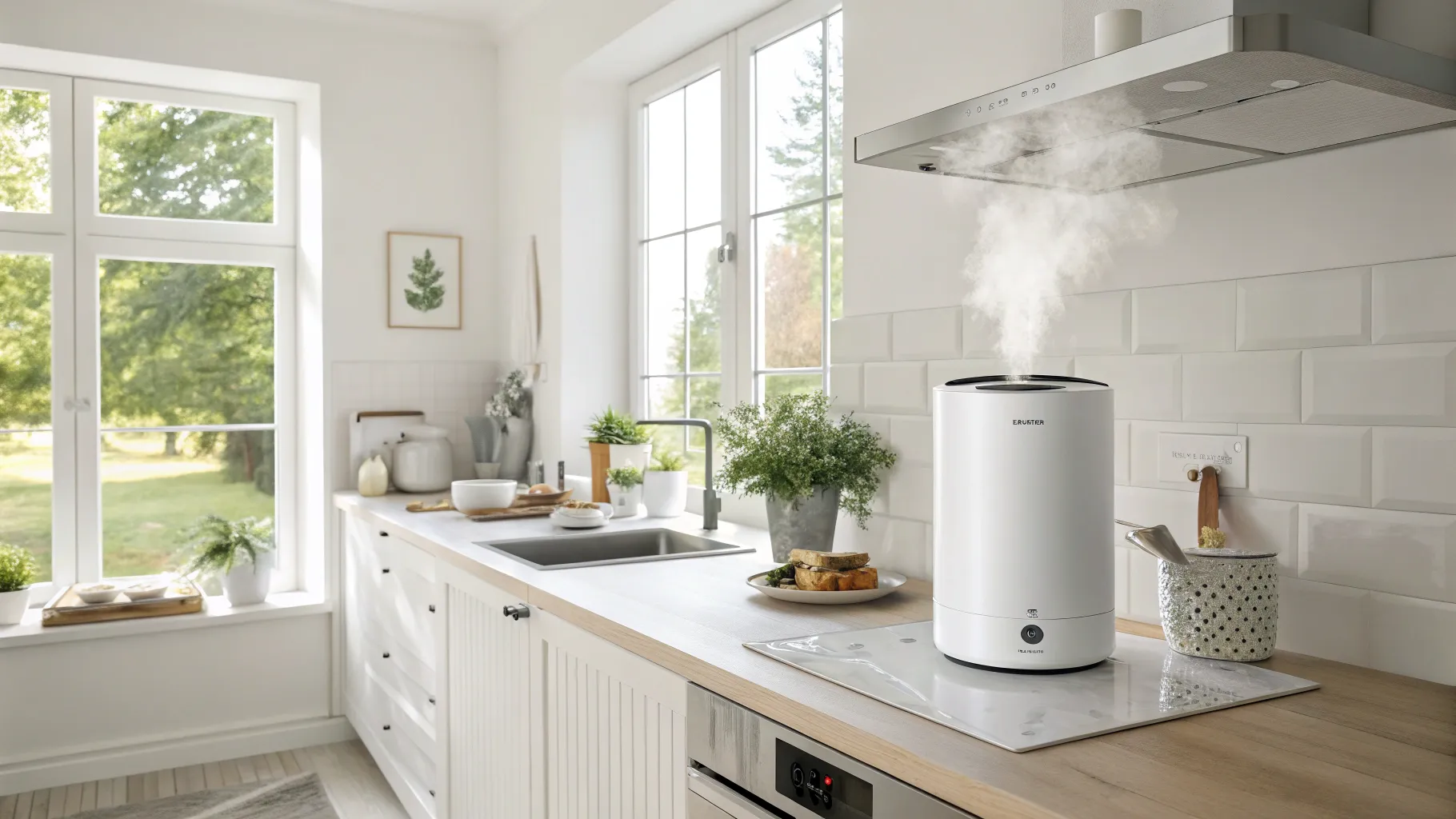
Solutions for Removing Cooking Smells
When you've just finished preparing a pungent meal, immediate action is necessary to prevent odors from settling in. Swift responses are among the most effective kitchen odor removal tips.
Ventilation is Key
The first line of defense against removing cooking smells is proper ventilation. Always turn on your range hood or exhaust fan before you start cooking, and keep it running for at least 15-20 minutes after you finish. Opening windows and doors to create a cross-breeze can also significantly help dissipate airborne odors. For intense smells, consider placing a box fan near an open window to actively push stale air out of the room, effectively aiding kitchen odor control.
Natural Odor Absorbers
Many common household items can act as excellent natural odor absorbers. A bowl of white vinegar or baking soda left on the counter overnight can absorb many unpleasant kitchen smells. Coffee grounds, activated charcoal, or even slices of apples can also be placed in strategic locations to naturally neutralize odors. These simplekitchen smell solutions work by trapping odor molecules rather than just masking them, making them vital kitchen odor removal tips.
Simmering Potpourri
To infuse your kitchen with pleasant aromas while simultaneously combatting bad ones, simmer a pot of water with natural ingredients. Cinnamon sticks, orange peels, cloves, and vanilla extract create a delightful fragrance that can mask and help remove residual cooking odors. This method is a beloved traditional approach for household odor removal and adds a cozy ambiance to your home.
Deep Cleaning Strategies for Lasting Kitchen Odor Control
Sometimes, odors can become embedded in surfaces and appliances. A thorough deep clean is essential for lasting kitchen odor control and to ensure comprehensive household odor removal.
Appliance Deep Clean
The culprits for lingering odors are often found within kitchen appliances. Regularly clean the inside of your microwave, oven, dishwasher, and refrigerator. Spills and food particles can decompose and release foul smells. For the refrigerator, a mix of baking soda and water can be used to wipe down surfaces, and an open box of baking soda should always be kept inside to absorb odors. Descale your dishwasher periodically using vinegar to eliminate trapped food residues contributing to kitchen smells. These steps are crucial kitchen odor removal tips.
Surface Disinfection
Countertops, cutting boards, and even walls can absorb cooking odors. Regularly wipe down all kitchen surfaces with appropriate cleaning solutions. For stubborn odors on cutting boards, rub them with lemon juice and salt. Ensure your dish sponges and cloths are clean or replaced frequently, as they can harbor bacteria that cause bad smells. This comprehensive approach to cleaning is key for effective removing cooking smells at their source.
Drain Maintenance
Kitchen sinks and garbage disposals are common sources of unpleasant odors due to food particles getting trapped and decaying. Pouring a mixture of baking soda and white vinegar down the drain, followed by hot water after 15-30 minutes, can help break down grease and food buildup. Regular maintenance of your drains is a simple yet powerful element of any successful kitchen odor control strategy.
Preventative Measures: Avoiding Future Kitchen Smells
Prevention is always better than cure. Incorporating preventative habits into your routine can significantly reduce the need for intensive kitchen odor removal tips.
Smart Cooking Habits
Be mindful of the ingredients and cooking methods that produce the strongest odors. When frying or cooking pungent foods like fish or curry, ensure maximum ventilation. Consider using an air fryer or slow cooker, which can sometimes contain smells more effectively than open-pan cooking. Keeping lids on pots and pans also helps to minimize the spread of odors. These proactive measures are effective kitchen smell solutions.
Waste Management
Proper waste management is paramount for household odor removal. Empty your kitchen trash can daily, especially after cooking meals with strong-smelling ingredients. Use trash bags that seal tightly and consider placing a baking soda packet at the bottom of the can to absorb odors. Composting food scraps in a sealed container can also help prevent them from languishing in the general trash and causing foul odors.
Regular Maintenance Schedule
Establishing a routine for cleaning and maintenance goes a long way in preventing odors. Beyond daily tidying, dedicate time each week or month for deeper cleaning tasks, such as cleaning the pantry, checking expiration dates on food items, and wiping down the inside of cabinets. A consistent schedule is one of the most proactive kitchen odor removal tips you can adopt.
Choosing the Right Approach: A Comparison of Kitchen Smell Solutions
When it comes to kitchen odor control, a combination of methods often yields the best results. For immediate, surface-level odors, ventilation and natural absorbers are quick kitchen smell solutions. For deeper, more persistent smells, appliance cleaning and drain maintenance are critical for removing cooking smells from their source. Long-term household odor removal relies heavily on preventative measures and smart habits. While some solutions offer instant relief, others provide sustained freshness, making a layered strategy the most effective for comprehensive odor management in any kitchen.
Actionable Steps for an Odor-Free Kitchen
Implementing these practical kitchen odor removal tips will transform your kitchen into a consistently fresh space.
- Ventilate Always: Turn on your range hood or open windows BEFORE you start cooking, not after. This is the single most effective step for removing cooking smells as they are produced.
- Clean as You Go: Wipe up spills immediately and clean pots and pans shortly after use. Preventing food particles from drying onto surfaces makes future cleaning easier and prevents odors from taking hold. This is a core part of effective kitchen odor control.
- Baking Soda is Your Friend: Keep an open box of baking soda in your refrigerator and garbage can. Sprinkle it on surfaces, then wipe or vacuum, to absorb entrenched kitchen smells.
- Natural Scents: Simmer citrus peels and spices or use essential oil diffusers to add pleasant, natural fragrances that also help to neutralize other odors, offering excellent kitchen smell solutions.
- Empty Trash Regularly: Do not let food waste sit in your kitchen for extended periods. Frequent disposal is a simple yet crucial component of any household odor removal strategy.
- Deep Clean Periodically: Schedule regular deep cleans for your appliances, cabinets, and drains to address hidden sources of odor before they become overwhelming.
Frequently Asked Questions
What are the quickest kitchen odor removal tips for unexpected guests?
For quick results, ensure maximum ventilation by opening windows and running the exhaust fan. Then, immediately start simmering a pot of water with citrus peels, cinnamon, and cloves. This will quickly mask and help dissipate lingering cooking smells. Placing bowls of white vinegar or coffee grounds can also rapidly absorb odors.
How can I prevent strong cooking smells from spreading throughout my home?
The strategy is proactive ventilation: always use your range hood during and after cooking. Keep kitchen doors closed while preparing pungent foods to contain the odors within the kitchen area. You can also place towels rolled up at the bottom of the kitchen door to block air circulation, enhancing your overall kitchen odor control.
Is it better to use air fresheners or natural remedies for household odor removal?
While air fresheners can provide immediate but temporary masking, natural remedies like baking soda, vinegar, and activated charcoal offer true odor absorption and neutralization. For long-term household odor removal and a healthier environment, natural remedies are generally preferred as they eliminate the source of the kitchen smell rather than just covering it up.
How often should I clean my garbage disposal to prevent kitchen smells?
Ideally, you should clean your garbage disposal at least once a week, or more frequently if you use it often for food scraps. Regular cleaning with ice, citrus peels, and a baking soda/vinegar flush is essential for preventing bad kitchen smells from accumulating and maintaining effective kitchen odor control.