Discover How Itchy Skin and Eczema Develop and Are Treated
Understanding Itchy Skin vs Eczema
Skin irritation is a common experience for many individuals, but identifying its exact cause can be complex. The distinction between itchy skin and eczema is frequently discussed, as understanding the differences can aid in proper care. This article explores the characteristics, symptoms, causes, and treatment options for both conditions to provide a clearer understanding of how they affect the skin.
What is Itchy Skin?
Itchy skin, or pruritus, is the annoying sensation that makes you want to scratch. It can stem from a multitude of factors, both external and internal. This sensation can sometimes be fleeting, disappearing with simple remedies like moisturizing, but in other cases, it signals a more serious health concern. Common triggers for itchy skin include:
- Dry Skin: Especially prevalent during cold seasons or due to dehydration, dry skin can lead to itching that feels unending.
- Allergic Reactions: Allergies to foods, medications, or substances such as metals and plants (like poison ivy) can provoke itching.
- Bug Bites: Mosquito bites or other insect stings often produce localized itching.
- A Variety of Skin Conditions: Skin issues such as psoriasis or fungal infections may result in itchy skin.
- Systemic Diseases: Conditions like liver disease and kidney failure can exhibit itching as a symptom.
- Psychological Factors: Stress and anxiety can lead to scratching, creating a negative cycle of irritation.
Recent surveys show nearly 30% of people will experience itchy skin at some stage in their lives, with older adults being particularly prone due to thinning skin and chronic conditions.
The Basics of Eczema
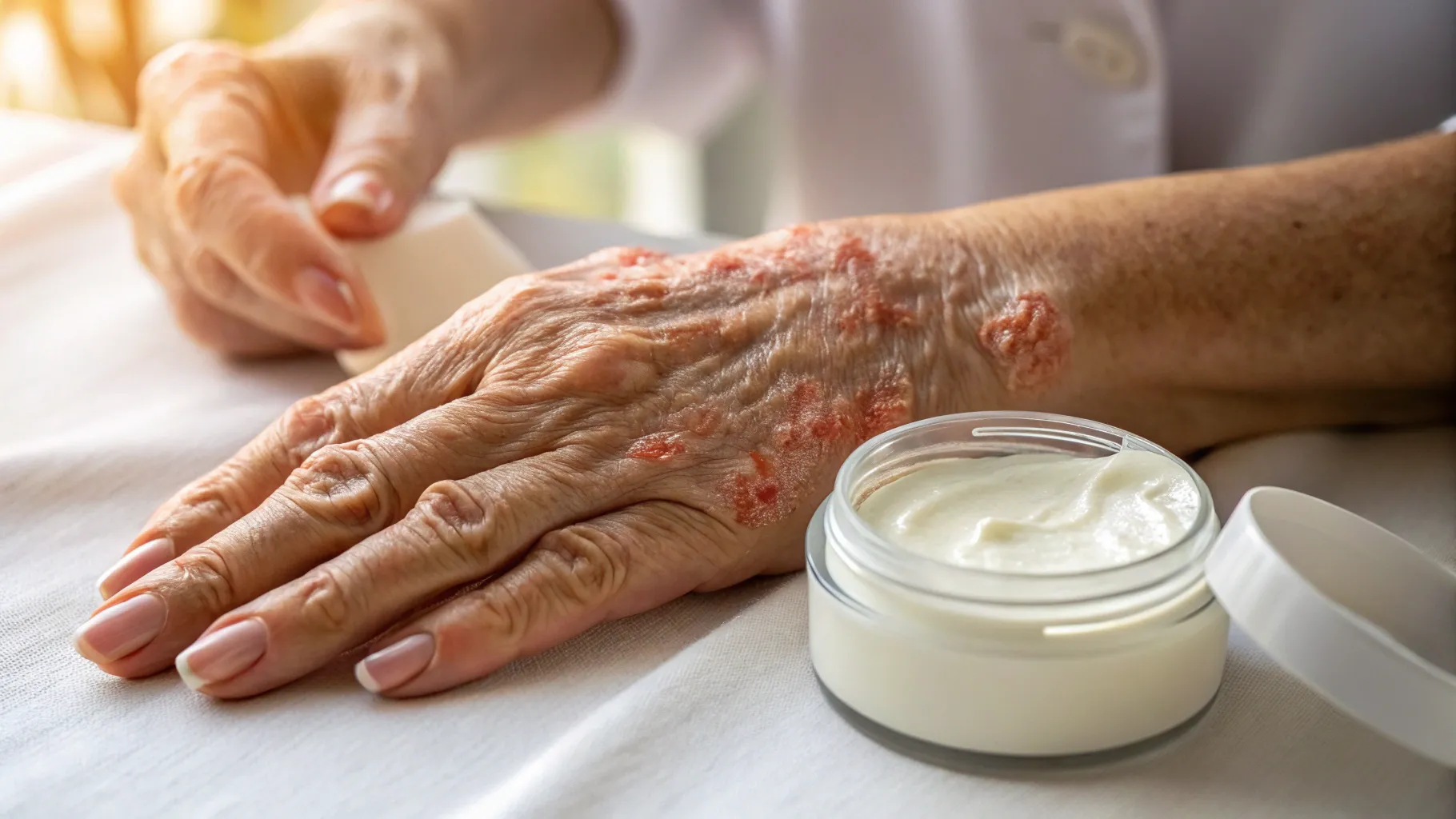
Eczema, also known as atopic dermatitis, is a chronic skin disorder characterized by inflamed, red, and itchy patches. Approximately 10% of children and 3% of adults globally are affected by this condition, making it a significant health concern.
Symptoms associated with eczema vary widely, and they often include:
- Intense Itching: This is frequently the first noticeable symptom, compelling sufferers to seek medical advice.
- Dry, Red Skin: Affected areas usually become inflamed and might appear cracked or scaly.
- Thickened Skin or Lichenification: If scratching continues, the skin can thicken over time, leading to a leathery appearance.
- Oozing or Crusting: In severe instances, eczema can lead to open sores that ooze fluid and form crusts.
Though eczema may look similar to plain dry skin, it is distinguished by its inflammatory nature and chronic characteristics. Data collected in early 2025 indicates that individuals living with eczema report an itch severity score averaging 7 out of 10, which can greatly impact their daily lives.
Spotting the Differences in Skin Irritation
When considering itchy skin vs eczema, it's important to examine the symptoms and possible triggers. While itchy skin can originate from a wide array of causes and is often self-limiting, eczema tends to require ongoing management strategies thanks to its persistent nature.
One of the key differences between the two lies in the duration and prominence of the symptoms. Itchy skin can be short-lived, commonly resolving with the identification of irritants or through simple lifestyle adaptations, such as using moisturizers. Eczema, however, presents more of a chronic challenge and often arises due to:
- Environmental Factors: Allergens such as pollen and dust or irritants like soaps and detergents are known triggers for eczema.
- Dietary Factors: Certain foods, notably dairy and nuts, have been linked to flare-ups in those susceptible to eczema.
- Weather Variations: Extreme temperatures, particularly cold air, tend to exacerbate eczema symptoms.
Understanding these triggers is crucial for managing eczema effectively. New research highlights the importance of personalized treatment strategies including skincare regimens, dietary modifications, and when necessary, medications.
Approaches to Managing Itchy Skin and Eczema
Both itchy skin and eczema can be effectively managed, though the strategies may differ based on the underlying causes. Here are some broadly recommended methods for dealing with each condition:
- Consistent Moisturizing: Applying a heavy, fragrance-free moisturizer regularly can help keep the skin hydrated, which is beneficial for both conditions.
- Corticosteroid Creams: For eczema, physicians commonly prescribe topical corticosteroids to diminish inflammation, while for allergic reactions causing itchy skin, over-the-counter options might be adequate.
- Antihistamines: These medications can be effective for alleviating itchiness, particularly in response to allergic conditions.
- Avoiding Irritants: Understanding and steering clear of potential triggers—be it certain detergents, fabrics, or foods—can significantly reduce symptoms.
- Stress Management Techniques: Engaging in methods to relieve stress, such as yoga, meditation, or exercise, can be particularly helpful when psychological factors contribute to itching.
Managing these conditions usually requires not just medical intervention, but also lifestyle changes that promote healthy skin. It’s best to collaborate with healthcare professionals to establish personalized management strategies tailored to individual needs.
Ultimately, the distinction between itchy skin vs eczema lies in both the severity and persistence of the symptoms, alongside the unique challenges each condition presents. By having a clear understanding of these differences, individuals can approach their skin issues with greater insight and better strategies for relief.