Discover Human Foods That Are Dangerous to Pets
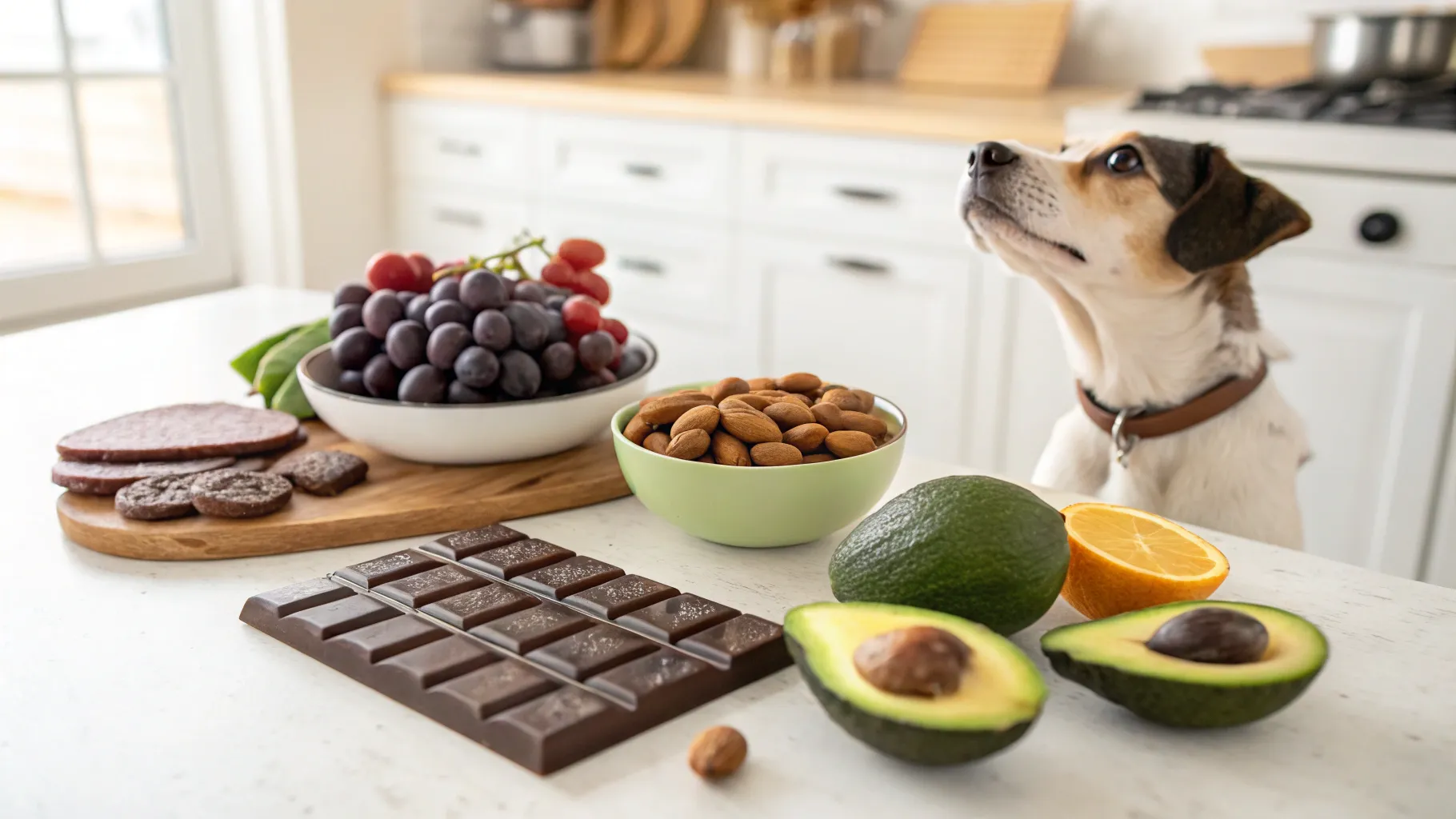
Why Certain Human Foods Are Dangerous for Pets
As pet ownership grows in 2025, understanding proper pet nutrition becomes increasingly important. While sharing food with dogs and cats is common, many human foods can be harmful or toxic to them. Recognizing which household foods pose health risks is essential for responsible pet care. This article examines various foods that can affect pets’ health, explains their potential impact, and provides guidance on steps to take if a pet consumes something dangerous.
Common Household Foods Toxic to Pets
The kitchen is a treasure trove of delights, but it also houses hidden dangers for our pets. Below are some common human foods pets should avoid:
- Chocolate: Chocolate contains theobromine and caffeine, both of which are highly toxic to dogs and cats. Even small amounts can cause symptoms ranging from vomiting and diarrhea to seizures or even death. Baker’s chocolate is particularly dangerous, with higher levels of theobromine.
- Grapes and Raisins: Though these might seem like harmless snacks, they can cause kidney failure in dogs. No one knows for sure why grapes and raisins are toxic, but even small quantities can be harmful. Many pet owners report that their dogs became ill after consuming just a few.
- Onions and Garlic: These foods can cause oxidative damage to red blood cells in both dogs and cats. Symptoms may not appear until several days after ingestion and can include weakness, lethargy, and even collapse. It's best to keep these ingredients far away from pets.
- Xylitol: This common artificial sweetener found in many sugar-free products is highly toxic to dogs. Even small amounts can lead to a rapid insulin release, resulting in dangerously low blood sugar levels, liver failure, or death.
- Avocado: While humans can enjoy the creamy texture of avocados, they contain persin, which is toxic to some animals. Dogs have shown resistance, but cats and birds can suffer severe reactions.
- Nuts: Especially macadamia nuts, which can cause severe reactions in dogs, including weakness, overheating, and tremors. Other nuts, like walnuts and pecans, can also pose risks due to high-fat content and potential mold exposure, which can be toxic.
What to Do If Your Pet Ingests Dangerous Foods
If you suspect your pet has ingested any of the aforementioned dangerous foods, quick action is essential. Here are some guidelines to follow:
- Stay Calm: Animals can often sense our anxiety, and panicking can make the situation worse.
- Identify the Food: Knowing exactly what your pet has eaten will help veterinarians provide the best care.
- Call Your Vet: Immediately contact your veterinarian or an emergency animal clinic. They can guide you on the next steps, whether it involves bringing your pet in for treatment or monitoring them at home.
- Keep Emergency Numbers Handy: Have the number of a local vet and a nearby emergency animal hospital handy. Additionally, the ASPCA Poison Control Center is a valuable resource, available 24/7 for consultation on pet poisoning.
Pet-Friendly Alternatives
While it's important to know what to avoid, there are plenty of safe and healthy foods for pets. Here are some pet-friendly alternatives for those times you're tempted to share your meal:
- Carrots: A crunchy treat that is low in calories and high in fiber, making it great for dogs.
- Peanut Butter: Unsalted and without xylitol, peanut butter makes an excellent occasional treat for dogs and can be stuffed inside toys for extra fun.
- Cooked Chicken and Fish: Unseasoned and without bones, these proteins can be great additions to your pet's diet.
- Plain Yogurt: A source of probiotics, plain yogurt can be a great treat for dogs—just make sure your pet isn’t lactose intolerant.
Statistics and Recent Findings
According to a recent study published in veterinary journals, over the last six months, there has been a reported increase of 25% in emergency vet visits due to pet poisoning compared to previous years. The majority of these cases involved foods that are toxic to pets, with chocolate and grapes leading the list. Pets can be curious creatures, and we must take extra precautions to ensure their safety.
As more families adopt pets in 2025, it is vital to educate ourselves on what foods are dangerous for dogs and cats. Ensuring your pet's diet is both safe and nutritious requires vigilance. Participating in community pet education programs and workshops can help pet owners better understand these risks and keep their furry family members healthy.
Being a responsible pet owner involves understanding the many common household foods toxic to pets. With a little knowledge, you can create a safe environment for your beloved companions while still sharing the joy of mealtime. Take the time to educate friends and family on these topics. Together, we can keep our pets safe and healthy for years to come.
In summary, recognizing human foods that are dangerous to pets is essential for all pet owners. By knowing what to avoid and substituting unsafe foods with pet-friendly alternatives, you can help ensure a long and healthy life for your furry friends.