Understanding Foods That Help Prevent High Cholesterol
Guide to Foods That Help Prevent High Cholesterol for Heart Health
As heart health continues to be a priority for many in 2025, awareness around high cholesterol preventing foods is more critical than ever. High cholesterol can lead to serious health complications, including heart disease and stroke. However, making the right dietary choices can significantly help balance cholesterol levels and support heart wellness.
Understanding Cholesterol and Its Impact
Cholesterol is a waxy substance found in your blood. It is essential for building healthy cells, but too much of it can be detrimental to your health. The body produces cholesterol naturally, but diet plays a significant role in cholesterol levels, especially foods for cholesterol balance.
According to the latest 2025 American Heart Association statistics, over 40% of adults have high cholesterol, which contributes to increasing rates of cardiovascular diseases. This growing trend stresses the importance of not only monitoring cholesterol levels but also understanding how certain foods can prevent and lower cholesterol effectively.
Cholesterol Friendly Diet Basics
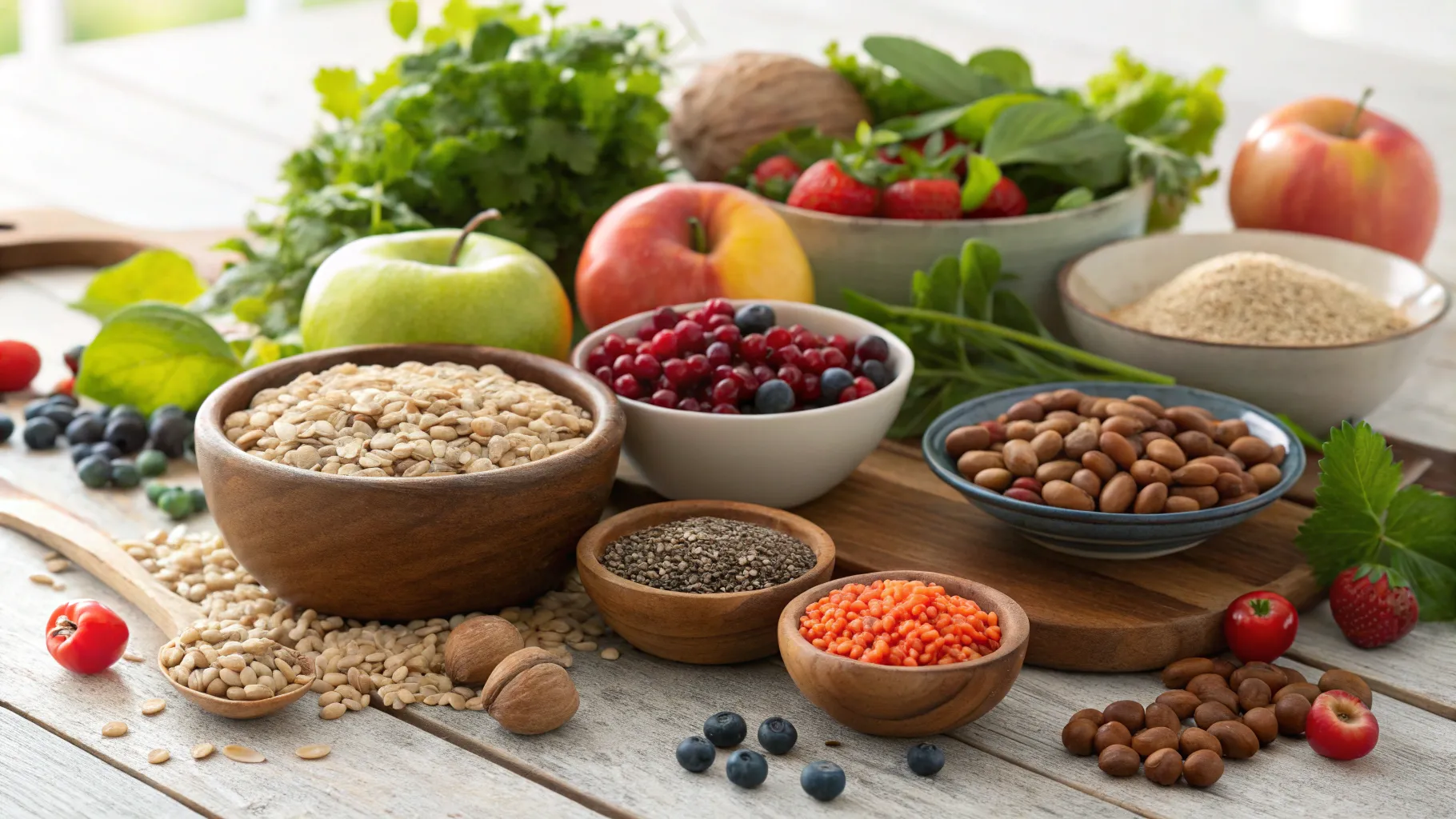
Creating a cholesterol friendly diet involves incorporating foods that can help lower LDL (bad cholesterol) while raising HDL (good cholesterol). Here are some food groups to focus on:
- Whole Grains: Foods such as oatmeal, brown rice, and quinoa are high in soluble fiber, which can reduce the absorption of cholesterol into your bloodstream.
- Fruits and Vegetables: Berries, oranges, apples, and leafy greens are packed with antioxidants and soluble fiber that assist in lowering bad cholesterol levels.
- Nuts and Seeds: Almonds, walnuts, and flaxseeds are excellent sources of healthy fats that can improve cholesterol levels when consumed in moderation.
- Legumes: Beans, lentils, and peas are rich in fiber and protein, making them particularly effective in managing cholesterol levels.
- Healthy Fats: Opt for unsaturated fats found in olive oil and avocados instead of saturated fats from butter and cream.
Whole Grains in Detail
Including whole grains in your breakfast or meals is a simple yet effective way to increase your fiber intake. A study published earlier this year revealed that people who consume more than three servings of whole grains daily have a 25% lower risk of heart disease compared to those who consume less than one serving. Think about starting your day with a hearty bowl of oatmeal topped with fresh fruit. This not only adds nutrients but also keeps you feeling full longer.
Fruits and Vegetables: Nature's Heart Helpers
Fruits and vegetables should be a staple in your diet. They offer numerous health benefits and are particularly effective in lowering cholesterol levels. For instance, a recent 2025 study found that participants who added more than five servings of fruits and vegetables to their daily meals saw a significant reduction in their cholesterol levels within just three months. The fiber and antioxidants help cleanse the bloodstream, boosting overall heart health.
Protein Choices that Support Heart Wellness
When it comes to proteins, the quality of your protein source matters. Consider incorporating more plant-based proteins into your diet. Foods such as beans, lentils, and tofu are not only beneficial for cholesterol management but are also lower in saturated fat compared to red meat.
Furthermore, fish, especially fatty fish like salmon and mackerel, is rich in omega-3 fatty acids, known for reducing inflammation and improving heart health. The American Heart Association recommends eating fish at least twice a week for optimal heart wellness.
Nuts and Seeds: Small but Mighty
A handful of nuts or seeds can be a delicious and heart-friendly snack. Nuts like walnuts are an excellent source of Omega-3 fatty acids and fiber. Research shows that eating a small serving of nuts daily can lower total cholesterol by up to 5% to 10% over time. Just remember to keep portions in check, as nuts are calorie-dense.
Herbs and Spices: Flavor without the Fat
Using herbs and spices instead of salt and high-fat condiments is another fantastic way to enhance heart wellness without compromising flavor. Garlic, for instance, not only adds zest to meals but has been shown to reduce cholesterol levels significantly. Turmeric’s active compound, curcumin, may also help lower LDL cholesterol and triglycerides.
Embrace a Balanced Diet for Heart Health
The key to a cholesterol-friendly diet is balance and variety. Strategies such as meal prepping with whole grains, including more plant-based meals, and focusing on fresh produce can lead to significant improvements in heart health. As heart disease remains a significant concern, prioritizing nutrition is paramount.
Furthermore, enjoying meals with family and friends while staying mindful of healthy options helps create a sustainable lifestyle rather than a temporary diet. Adopting these habits in your daily routine can pave the way to a healthier heart and a brighter future.
Remember to stay regularly updated with your cholesterol levels through checks with your healthcare provider. Empower yourself with knowledge of heart wellness foods to make informed choices that contribute positively to your overall health.