Discover How Protein Is Present in Common Foods
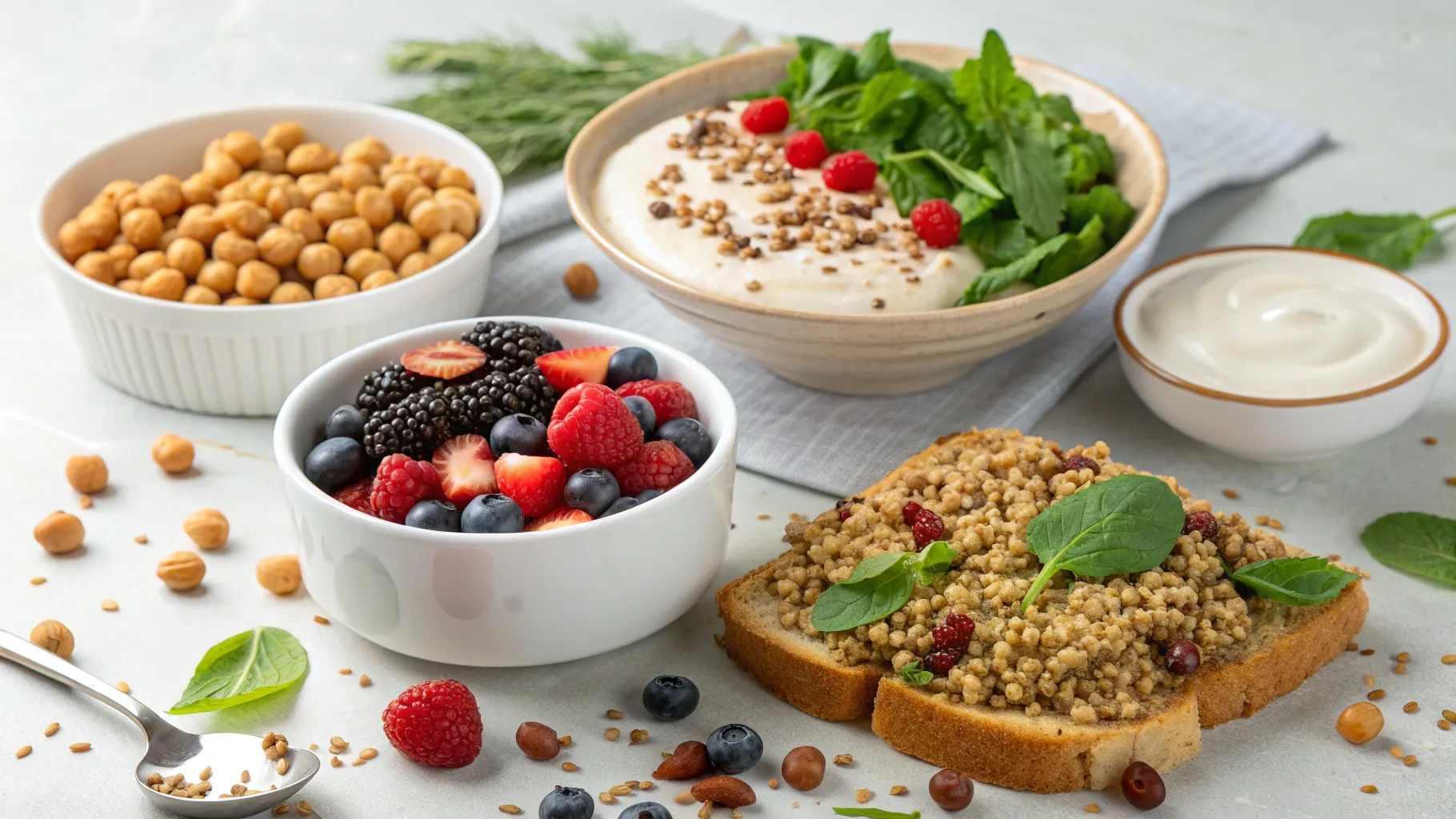
Understanding Foods That Contain Hidden Protein
Protein plays a crucial role in maintaining a balanced diet and supporting overall health. While common protein sources like steak, chicken, and protein bars are well known, many everyday foods contain significant amounts of protein that are often overlooked. As dietary habits continue to evolve, understanding these unexpected sources of protein can help individuals enhance their daily intake without major changes to their eating routines. Exploring a variety of protein-rich foods supports better nutrition and dietary diversity./p>
Common Foods With Extra Protein
Let’s delve into some common foods that contain hidden protein. These items may surprise you with their protein content, proving that you don’t always need to grill chicken to hit your protein goals.
- Greek Yogurt: This popular snack is a powerhouse of protein, containing over 15 grams per serving. Whether you enjoy it plain or with some fruits and honey, Greek yogurt is perfect for breakfast or as a midday snack.
- Cottage Cheese: Not just for pancakes anymore, cottage cheese is loaded with protein, offering around 25 grams per cup. Consider adding it to salads or smoothies for a protein boost.
- Eggs: A breakfast staple, one large egg packs about 6 grams of protein. The versatility of eggs makes them an easy addition to any meal; scramble them, poach them, or hard-boil them for a snack.
- Peanut Butter: Often associated more with fats than protein, two tablespoons of peanut butter actually contain about 8 grams of protein. Spread it on whole-grain bread or mix it with smoothies for a delicious protein punch.
- Quinoa: This ancient grain is a complete protein, meaning it contains all nine essential amino acids. One cup of cooked quinoa has around 8 grams of protein. Use it as a base for salads or side dishes.
- Milk: Whether you prefer whole, skim, or even plant-based milk, most varieties contain around 8 grams of protein per cup. It’s a great addition to smoothies, cereals, and more.
Unexpected Protein Sources
Beyond the usual suspects, there are surprising options that can help you meet your protein needs, many of which you may not consider.
- Chia Seeds: Often overlooked, chia seeds provide about 5 grams of protein per ounce. They’re easy to incorporate into your diet by adding them to smoothies, yogurt, or oatmeal. Not only do they enhance protein intake, but they also offer healthy omega-3 fatty acids and fiber.
- Spinach: Dark leafy greens like spinach are often seen as a side, but 100 grams of spinach contains about 3 grams of protein. Incorporating it into salads, omelets, or smoothies will boost your nutrients without much effort.
- Oats: A breakfast staple for many, oats provide about 6 grams of protein per cup. They’re not just for porridge anymore; add oats to baked goods or overnight oats for an extra protein hit.
- Broccoli: This green vegetable is often recognized for its vitamins and antioxidants. However, one cup offers about 4 grams of protein. Pair it with protein-rich grains in a stir-fry or as a steamed side.
- Hemp Seeds: Rich in protein, hemp seeds have about 10 grams per 3 tablespoons. They’re perfect for sprinkling on salads, yogurt, or blending into smoothies.
- Edamame: These young soybeans provide a substantial amount of protein, with 17 grams found in just one cup. They make a perfect snack or addition to stir-fries and salads.
Integrating foods with hidden protein into your daily routine can be a game changer, especially for those leading active lifestyles or looking to maintain lean muscle mass. In 2025, protein-rich everyday foods are more accessible than ever. This not only aids in health and nutrition but can also enhance overall wellness.
Protein and Your Daily Diet
Understanding how to incorporate foods with hidden protein can significantly impact your overall health, particularly for vegetarians and vegans. Although traditional meals may emphasize meat as a primary source of protein, the unexpected protein sources available today offer an excellent alternative.
For instance, consider swapping your typical breakfast of sugary cereals with a bowl of oatmeal topped with chia seeds and walnuts. You will start your day with a delicious combination of fiber and protein, fueling your body more effectively than conventional cereal options.
On a different note, snacks play a crucial role in our daily nutrition. Instead of reaching for chips or cookies, choose a handful of mixed nuts or Greek yogurt with berries. These snacks not only satisfy hunger but also provide substantial protein content to keep you energized throughout the day.
Making Smart Choices
Needless to say, knowledge is power. Learning about the various foods with hidden protein allows individuals to take charge of their dietary habits. This approach is not only beneficial for hitting protein goals but also helps in making smarter, more nutritious choices daily.
Combine these hidden protein sources with traditional protein-rich foods to create balanced meals throughout the day. For example, a salad topped with quinoa, chickpeas, and a generous serving of spinach not only offers a delightful mix of textures and flavors but also packs a punch in protein content.
This holistic approach to nutrition will optimize your diet, helping you achieve your health goals. Whether you are building muscle, looking to lose weight, or simply aiming to feel better, integrating these unexpected protein sources can make all the difference.