Foods That Support Better Eye Health in 2025
Understanding Eye Health: Vision-Boosting Foods in 2025
In 2025, technology has become deeply woven into everyday life, making screen time nearly unavoidable. From work to recreation, digital devices now shape much of our routine, bringing with them the risk of digital eye strain. While screen filters and mindful device use can help, nutrition also plays a vital role in maintaining eye health. Understanding and including vision-supportive foods in our diets is essential to protecting our eyes in this technology-driven world.
Nutritional Pillars Supporting Vision Health
Our eyes, intricate and delicate, necessitate a range of nutrients to perform optimally. These nutrients significantly mitigate risks associated with eye conditions such as macular degeneration, cataracts, and dry eyes. Consuming a balanced diet suffused with specific vitamins and minerals is foundational for enduring eye health. Here’s a closer look at essential nutrients:
- Vitamin A: Known for enhancing vision in low-light conditions, vitamin A safeguards the retina and reduces the incidence of night blindness and dry eyes. An insufficiency in vitamin A can compromise ocular health profoundly.
- Vitamin C: This vitamin is renowned for its antioxidant properties that protect the eyes from oxidative damage. Vitamin C staves off the development of cataracts and other age-related conditions, reinforcing vascular health within the eyes.
- Vitamin E: As a robust antioxidant, vitamin E defends eyes against free radical damage, especially from pollutants and UV rays.
- Zinc: Integral for transporting vitamin A from the liver to the retina, zinc supports night vision. It's pivotal for maintaining a healthy retina, reducing the risk of severe vision impairments.
While understanding these nutrients is pivotal, it's their inclusion in your diet that makes the tangible difference.
Nutrition Guide for Better Eye Health
Cultivating a diet rich in nutrients can substantially enhance your vision. Here's a list of foods that should find their way to your regular meals:
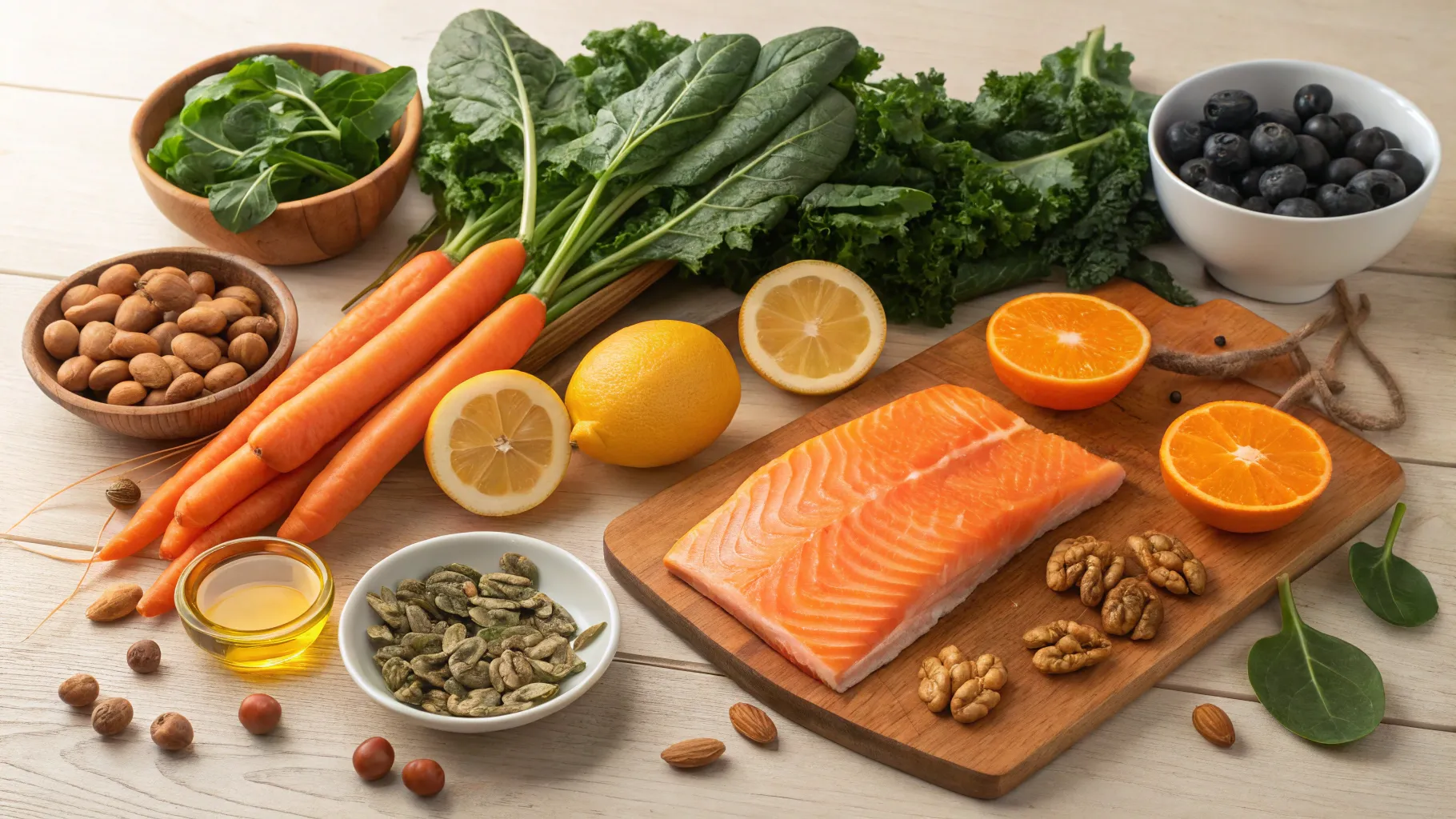
- Carrots: Famed for their vision-boosting capabilities, carrots are high in beta-carotene, an antioxidant the body converts into vitamin A, potentially improving night vision.
- Citrus Fruits: Oranges, lemons, and grapefruits come packed with vitamin C. These fruits are superb in foiling cataracts and supporting the health of your eye's blood vessels.
- Leafy Greens: Spinach, kale, and collard greens are abundant in lutein and zeaxanthin—nutrients that protect against macular degeneration.
- Fatty Fish: Rich in omega-3 fatty acids, fish like salmon, tuna, and mackerel combat dry eyes and are instrumental in preserving vision as aging ensues.
- Nuts and Seeds: Almonds, sunflower seeds, and flaxseeds are stellar sources of vitamin E, decelerating age-related vision degradation.
An incursion of these nutrient-laden foods into daily diets isn't just beneficial—it’s transformative.
Nutritional Factors That Influence Eye Health
In 2024, the Visual Health Index Report highlighted that consistent consumption of vitamins, minerals, and omega-3 fatty acids led to a 40% decline in the presence of chronic eye conditions among individuals. A minimal nutritional tweak, like opting for tuna sandwiches or a kale salad, can bear long-term benefits.It’s clear that our digital immersion demands a proactive stance on eye health. By embedding these foods into our daily routines, we cultivate a resilient visual wellness, irrespective of the relentless screen exposure. Nutrients available in nature not only ward off eye impairments but also elevate our overall quality of life. Prioritize vision-enhancing concoctions that don’t merely align with digital life but augment it. The protective shield provided by a nutritious diet is unparalleled, and your eye health will be eternally grateful.