Discover How Certain Foods Influence Heart Health
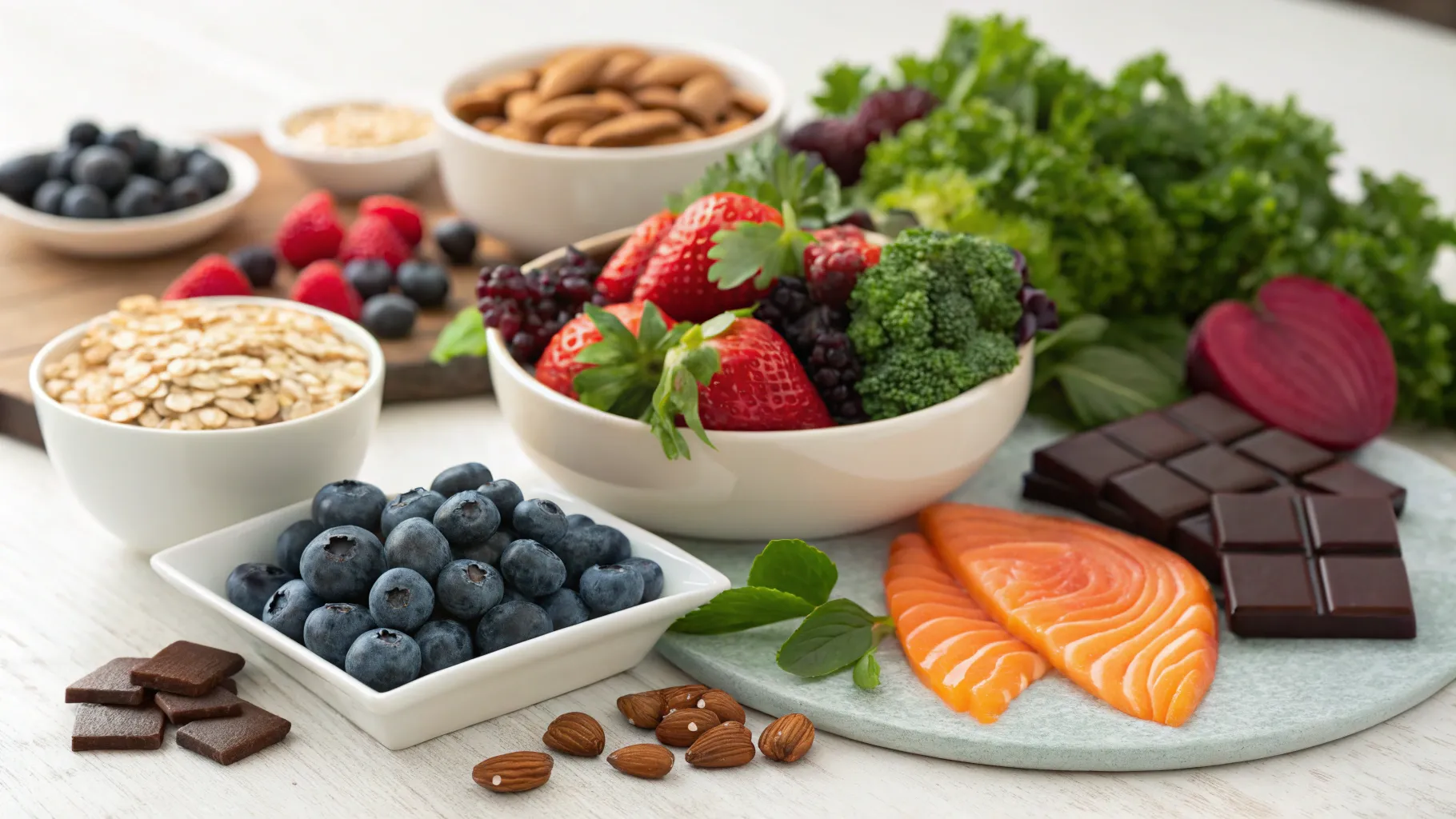
Heart Disease Preventive Foods
Heart disease is a major health concern globally, significantly impacting the lives of millions each year. In 2025, a heart-healthy diet emerges as a critical strategy to mitigate this risk. By incorporating specific heart healthy foods into your daily meals, you can foster cardiovascular wellness and enhance your overall quality of life.
Essential Foods for Heart Health
An effective heart-healthy diet is rich in a variety of nutrients that promote cardiovascular health. Let's take a closer look at some of the top food categories that stand out for their heart-supporting properties, backed by recent findings.
- Fruits and Vegetables: Fresh produce is a powerhouse of vitamins, minerals, and antioxidants. A recent meta-analysis shows that consuming at least 5 servings of fruits and vegetables daily can lower the risk of heart disease by roughly 25%. To benefit from these nutrients, consider adding colorful fruits like berries and leafy greens to your meals daily.
- Whole Grains: Foods like quinoa, brown rice, and whole oats are packed with fiber, which aids in managing cholesterol levels. Reports indicate that individuals consuming whole grains tend to have a lower risk of cardiovascular diseases. A morning bowl of oatmeal topped with fresh fruit could set a great foundation for your day.
- Nuts and Seeds: Almonds, walnuts, flaxseeds, and chia seeds are excellent sources of healthy fats and protein. Research has shown that a handful of nuts can lower bad cholesterol levels and decrease inflammation in the body. Snacking on nuts instead of processed snacks is a simple switch that pays off in the long run.
- Fatty Fish: With their high omega-3 fatty acid content, fatty fish like salmon, mackerel, and sardines are linked to reduced risks of heart attacks. The current recommendation for omega-3 intake suggests consuming fatty fish two to three times a week, making it an easy means to improve heart health.
- Healthy Oils: Extra virgin olive oil, rich in monounsaturated fats and antioxidants, stands out among cooking oils. Evidence suggests that using olive oil can significantly improve cholesterol levels, making it a staple in Mediterranean diets known for their heart health benefits.
Foods Linked to Heart Wellness in 2025
As our understanding of a heart-healthy diet evolves, certain foods become increasingly recognized for their cardiovascular benefits. Let’s explore a selection of these foods that are gaining traction in 2025:
Legumes
Legumes, including beans, lentils, and chickpeas, are packed with protein and vital nutrients. Recent studies confirm that these foods can significantly lower blood pressure, thanks to their high potassium and magnesium levels, two minerals essential for heart health. Incorporating legumes into your meals is straightforward; try adding lentils to salads or blending chickpeas for an easy hummus dip.
Dark Chocolate
Good news for chocolate enthusiasts! Research indicates that dark chocolate, especially with a cocoa content of 70% or higher, can enhance heart health. The flavonoids in dark chocolate are shown to improve circulation and lower blood pressure. Enjoying a small piece two to three times a week can be both indulgent and good for your heart.
Beets
Beetroots are celebrated for their ability to boost heart health due to their rich nitrate content. Recent clinical trials have suggested that consuming beet juice can lower blood pressure significantly. Including beets in your diet is simple—try them in smoothies, salads, or as a roasted side dish.
Heart Health Diet Basics
Creating a heart health diet doesn't have to be complex. It's all about focusing on whole foods that nourish your body while limiting processed options. Consider these foundational principles:
- Limit Added Sugars: Consuming too much sugar is linked to various health issues, including obesity and diabetes, which pose risks for heart disease. Swap refined sugars for natural sweeteners like honey or agave syrup, and always try to keep these in moderation.
- Reduce Sodium Intake: Lowering sodium is essential for blood pressure management. Aim for no more than 2300 mg of sodium daily. Use herbs, spices, and citrus to flavor your meals instead of reaching for the salt shaker.
- Check Your Portions: Even with healthy foods, moderate portion sizes play a crucial role in weight management. Developing mindfulness around portion sizes can help maintain a balanced energy intake and overall health.
Practical Tips for Implementing a Heart Healthy Routine
It can be daunting to overhaul your diet, but incorporating heart-healthy foods into your routine can be as simple as making minor adjustments. Here are some tips to ease the transition:
- Plan Your Meals: Take the time to prepare a weekly meal plan. This not only helps in avoiding unhealthy choices but also maximizes your cooking time. Fill your pantry with heart-friendly staples to facilitate quick meal preparation.
- Experiment with Recipes: Incorporate heart-healthy ingredients into your favorite dishes. For example, swap traditional pasta for whole grain varieties or add beans to soups for added nutrients and heart-friendly benefits.
- Stay Hydrated: Adequate hydration plays a vital role in overall health, assisting with circulation and digestion while keeping you feeling satiated. Aim for at least 8 glasses of water a day to stay optimally hydrated.
Embracing a heart-healthy lifestyle through mindful dietary choices not only helps thwart heart disease but also enhances your overall well-being. By concentrating on foods linked to cardiovascular health and making informed, nutritious choices today, you can have a positive influence on your heart health for years to come. Start small, stay consistent, and enjoy the journey toward a healthier heart.