How to Choose Indoor Heating Options for Your Home
Understanding Your Choices in Modern Home Heating Systems
When the chill arrives, selecting the appropriate indoor heating options for your home is essential. There are many types of home heating systems available, each offering distinct benefits in efficiency, cost, and comfort. This comprehensive guide explores various indoor heaters, providing a detailed overview to help you understand your choices and maintain warmth throughout the colder months. With this information, you can make an informed decision to ensure a cozy and energy-efficient living space.
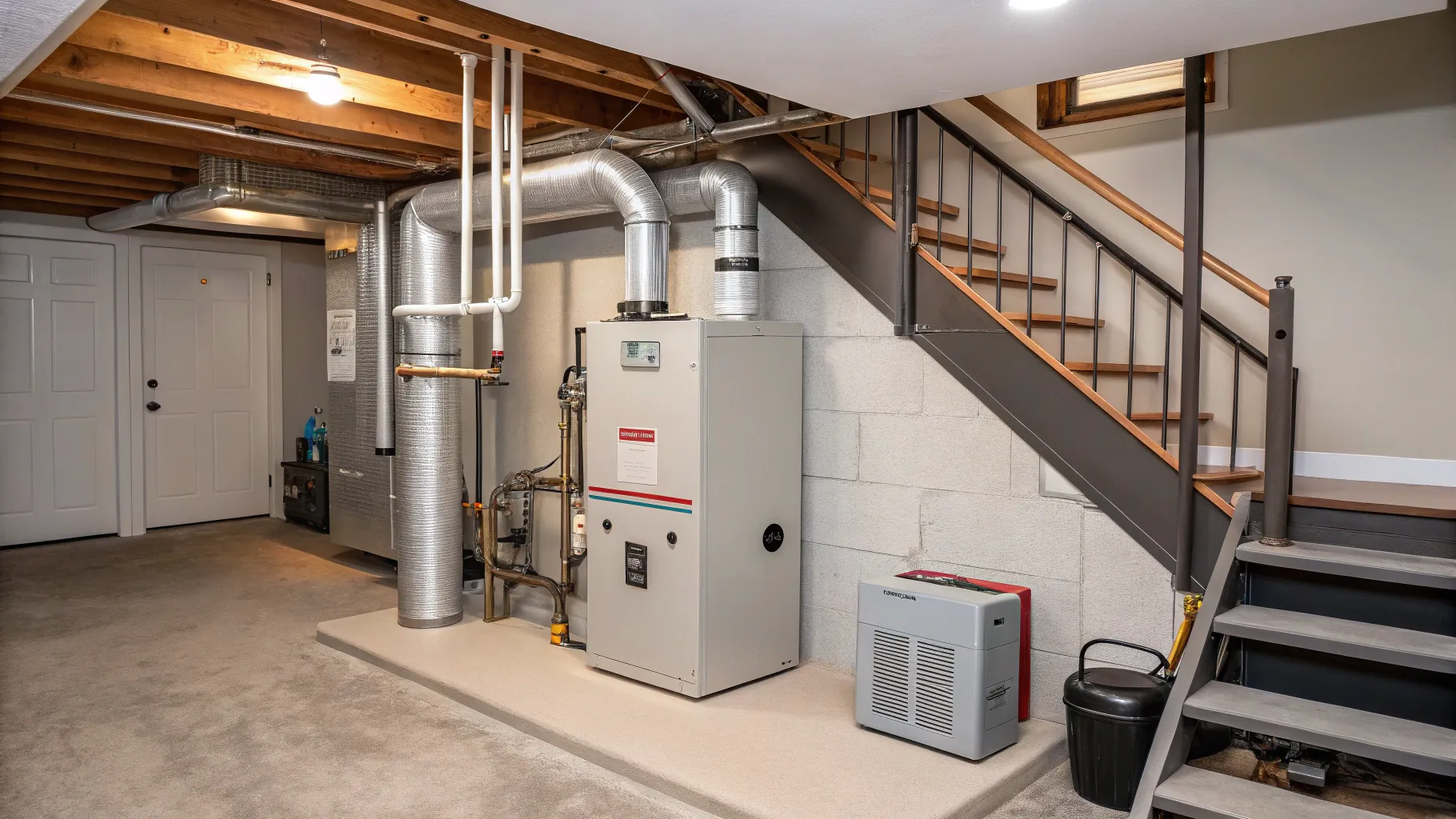
Central Forced-Air Systems: The Backbone of Home Heating
Central forced-air systems are among the most common **home heating systems**, relying on a furnace (fueled by natural gas, propane, oil, or electricity) to heat air, which is then distributed throughout the home via ductwork and vents. These **indoor heating options** are popular for their ability to heat large spaces quickly and efficiently. Modern furnaces boast high Annual Fuel Utilization Efficiency (AFUE) ratings, indicating their effectiveness in converting fuel into usable heat. Proper sizing, regular filter replacement, and well-sealed ducts are crucial for maximizing the efficiency of these **residential heating methods** and ensuring a consistent warmth throughout your living space. For a complete **home heating overview**, understanding the mechanics of these systems is essential.
Boilers and Hydronic Heating: Radiant Comfort
Boilers power hydronic heating systems, which provide a different kind of warmth compared to forced-air. These **types of indoor heaters** circulate hot water (or sometimes steam) through pipes to radiators, baseboard heaters, or radiant floor systems. The heat radiates gently and evenly from surfaces, creating a comfortable environment with fewer drafts and less air circulation, which can be beneficial for those with allergies. While the initial installation cost for these **home heating systems** can be higher, their operational costs can be competitive, especially with modern high-efficiency condensing boilers. Hydronic systems are often praised for their quiet operation and consistent, luxurious warmth, making them a premium choice among **indoor heating options**.
Heat Pumps: Efficient Year-Round Climate Control
Heat pumps represent a highly efficient category of **residential heating methods** because they transfer heat rather than generate it. Air-source heat pumps extract heat from the outside air, even in cold temperatures, and move it indoors. Geothermal heat pumps go a step further, utilizing the stable underground temperature for even greater efficiency. Mini-split heat pumps offer zonal heating and cooling without ductwork, ideal for additions or individual room climate control. These versatile **types of indoor heaters** also provide cooling in warmer months, making them a dual-purpose climate solution. Their energy efficiency, particularly when paired with smart thermostats, makes them attractive **indoor heating options** for homeowners seeking long-term savings and reduced environmental impact, contributing positively to a comprehensive **home heating overview**.
Space Heaters: Supplemental and Zonal Heating Solutions
Space heaters are portable **types of indoor heaters** designed to provide supplemental heat to specific rooms or zones, rather than heating an entire home. They come in various forms, including electric resistance heaters, ceramic heaters, oil-filled radiant heaters, and infrared heaters. While generally not intended as primary **home heating systems** due to higher operational costs per BTU, they are excellent for targeted warmth, such as in a chilly home office or a rarely used guest bedroom. Safety is paramount with space heaters; proper placement away from flammable materials and ensuring they have tip-over protection are critical considerations for these compact **indoor heating options**.
Wood Stoves and Fireplaces: Classic Ambiance and Heat
Wood stoves and traditional fireplaces offer a charming, rustic appeal and provide robust heat, making them cherished **indoor heating options** for many. Modern wood stoves, especially those certified by the EPA, are significantly more efficient and produce fewer emissions than older models or open fireplaces. Pellet stoves offer a more automated alternative, burning compressed wood pellets and often featuring hoppers and automatic igniters for convenience. While these **residential heating methods** can reduce reliance on fossil fuels and create a cozy atmosphere, they require a steady supply of fuel, proper venting, and regular cleaning. Understanding the maintenance and environmental impact is key to including them in your **home heating overview**.
Comparing Your Indoor Heating Options: Efficiency vs. Initial Cost
When selecting from the vast array of **indoor heating options**, it's crucial to weigh the initial installation costs against long-term operational efficiency. Central forced-air systems typically have moderate upfront costs but can be very efficient with natural gas. Hydronic systems, while often having a higher initial outlay, offer unparalleled radiant comfort and potential long-term savings through consistent, even heating. Heat pumps, despite their higher installation costs, can provide significant energy savings over their lifespan due to their superior efficiency in both heating and cooling, making them attractive **home heating systems**. Space heaters are inexpensive to purchase but can be costly to run continuously. A thorough **home heating overview** considers your climate, home size, existing infrastructure, and budget to find the optimal balance among the various **types of indoor heaters**.
Optimizing Your Home Heating Overview for Maximum Comfort and Savings
- Regular Maintenance: Annual check-ups by a qualified HVAC technician are vital for all **home heating systems**. This proactive step ensures your unit operates at peak efficiency, preventing minor issues from becoming costly repairs and extending the lifespan of your chosen **residential heating methods**.
- Smart Thermostats: Installing a programmable or smart thermostat can significantly enhance the efficiency of your **indoor heating options**. These devices learn your preferences, can be controlled remotely, and optimize heating schedules, leading to substantial energy savings and a more accurate **home heating overview**.
- Insulation and Weatherization: No matter which **types of indoor heaters** you choose, good insulation and weatherization are critical. Sealing drafts around windows and doors, adding attic insulation, and ensuring proper wall insulation will prevent heat loss, allowing your heating system to work less strenuously and more efficiently.
- Zoning Systems: For larger homes or those with varying heating needs, a zoning system can provide incredible energy savings. This allows you to divide your home into different heating zones, only heating the areas that are occupied, rather than the entire house, making your **indoor heating options** more targeted and economical.
- Energy Audits: Consider a professional energy audit to identify specific areas of heat loss in your home. An audit can provide tailored recommendations to improve your home's thermal envelope, optimizing the performance of your **home heating systems** and contributing to a more efficient **residential heating overview**.
Frequently Asked Questions
What are the most energy-efficient indoor heating options?
The most energy-efficient **indoor heating options** typically include geothermal heat pumps, high-efficiency air-source heat pumps, and modern condensing furnaces or boilers. These **home heating systems** are designed to maximize heat output while minimizing energy consumption, leading to lower utility bills and a reduced environmental footprint. Consulting with an HVAC professional can help determine the best fit for your specific home and climate needs.
How often should home heating systems be serviced?
It is generally recommended that **home heating systems** be serviced annually, ideally before the start of the heating season. Regular maintenance ensures optimal performance, identifies potential issues before they become major problems, and prolongs the lifespan of your unit. This proactive approach helps maintain efficiency across all **residential heating methods** and prevents unexpected breakdowns during cold weather.
Can I combine different types of indoor heaters in my home?
Yes, many homeowners utilize a combination of **types of indoor heaters** to achieve optimal comfort and efficiency, a strategy often referred to as hybrid heating. For instance, a central forced-air system might be supplemented with radiant floor heating in bathrooms or electric space heaters in seldom-used rooms. This allows for zonal heating and can be an effective part of a comprehensive **home heating overview**.