Discover How Nutrition Impacts Eye Health and Vision
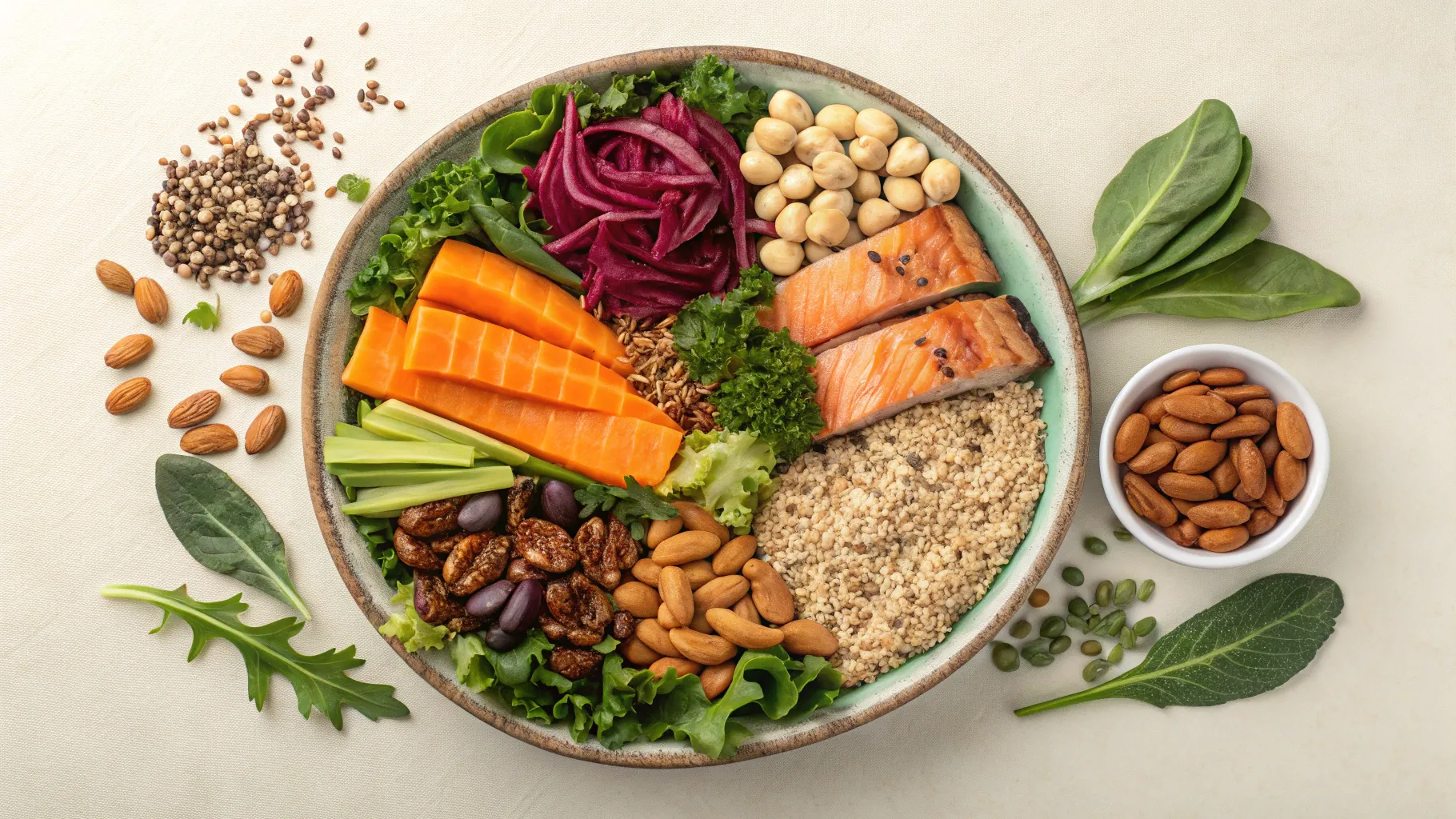
Foods That May Affect Eye Health and Contribute to Problems
In today’s fast-paced world, maintaining good eye health is important as many of us spend extensive time in front of screens. Recent studies indicate that nearly 70% of adults experience some form of vision impairment linked to lifestyle factors. With the increased use of digital devices, it is essential to be mindful of our diet to help prevent eye problems and support overall vision health. This article explores foods that may contribute to eye issues and emphasizes the role of a balanced diet in promoting eye wellness.
Foods Linked to Vision Support
A comprehensive eye health diet incorporates various nutrients that are known to combat common eye issues like macular degeneration, cataracts, and dry eyes. This can be achieved through simple modifications in one’s diet. Here are some key foods that can significantly contribute to eye wellness.
- Leafy Greens: Vegetables like spinach, kale, and collard greens are rich in antioxidants like lutein and zeaxanthin. Recent research published in the Journal of Nutrition indicates that these antioxidants can reduce the risk of cataracts by over 30%.
- Carrots: Everyone knows that carrots are good for your eyes, and there is science to back this up. They are high in beta-carotene, which your body converts into vitamin A, essential for good vision. A deficiency in vitamin A can lead to night blindness and other vision issues.
- Fish: Fatty fish, including salmon, sardines, and mackerel, are rich in omega-3 fatty acids. A recent clinical study highlighted that regular consumption of omega-3s can reduce the risk of dry eye syndrome by nearly 40%, promoting tear production and overall eye comfort.
- Whole Grains: Foods like brown rice, quinoa, and whole-wheat bread are packed with vitamin E and zinc, nutrients essential for maintaining a healthy retina. Incorporating whole grains into your diet can also help control blood sugar levels, further reducing the risk of diabetic retinopathy.
- Nuts and Seeds: Almonds, walnuts, and sunflower seeds provide rich sources of vitamin E, which has been shown to help protect eyes from age-related damage. Just one ounce of almonds can offer nearly 50% of your daily recommended intake of vitamin E.
Each of these foods plays a pivotal role in maintaining optimal eye function and protecting against various eye problems. However, it’s not just about including them in your diet. Proper combinations and balanced meals are crucial for maximum benefits.
Combining Foods for Enhanced Benefits
For those aiming for an eye-healthy diet, consider creating meals that incorporate several eye-supporting foods. For instance, a salad of spinach topped with salmon and sprinkled with walnuts creates a powerful dish for your eyes, rich in necessary nutrients. Similarly, a smoothie blended with carrots, almonds, and some berries can serve as a delicious way to protect your eyesight while satisfying your sweet tooth.
Foods to Avoid for Optimum Eye Health
While it is important to know which foods to include in your diet for eye wellness, knowing which to avoid is equally essential. High amounts of sugar and processed foods can lead to conditions that hinder eye health. Here are some foods you should limit for improved eye wellness:
- Sugary Drinks: Consuming high-sugar beverages like sodas can lead to obesity and diabetes, which have been linked to several eye problems.
- Processed Foods: Foods that are high in saturated fats and trans fats can increase the risk of developing age-related macular degeneration.
- Excessive Salt: High sodium intake can lead to high blood pressure, which can negatively affect blood flow to the eyes.
Focusing on a holistic view of dietary choices ensures that not only is your eye health being prioritized, but your overall wellness is enhanced. Making conscious choices about what goes on your plate can have lasting positive effects on your vision.
The Connection Between Eye Care and Lifestyle
In 2025, awareness about the significance of an eye health diet is at an all-time high; however, many people still overlook how lifestyle impacts eye function. Incorporating physical activity, reducing screen time, and quitting smoking are all practical steps that complement a nutritious diet. Lifestyle modifications can exponentially improve your eye health.
For instance, a recent survey recorded that 60% of participants who engaged in regular physical activity reported fewer eye problems than those who led sedentary lives. This connection demonstrates that proper hydration, nutrition, exercise, and eye care habits like using protective eyewear while reading or indulging in digital screens contribute significantly to preserving vision.
Incorporating Eye Health into Daily Routines
To start your journey toward better eye health, consider meal prepping at the beginning of each week. Prepare nutrient-rich snacks such as mixed nuts, fresh fruits, or vegetable sticks to keep your eyes healthy on the go. Also, track your daily water intake; hydration is key to keeping your eyes moist and reducing the risk of eye strain.
Follow these dietary guidelines, and commit to a balanced lifestyle today; your vision will thank you in the long run. While the world moves towards more digital reliance, taking proactive steps towards preserving eye health through the foods you eat can make all the difference.